
TL;DR

Get travel and outdoor gear delivered free with Prime
- Fast, free delivery on millions of items
- Prime Video, Amazon Music and more included
- Member-only deals all year
A historic Sicilian community, known for its centuries-long existence, is now facing the threat of climate change. Experts warn that environmental shifts could jeopardize its survival, though details remain uncertain. The development highlights broader concerns about cultural preservation amid global warming.
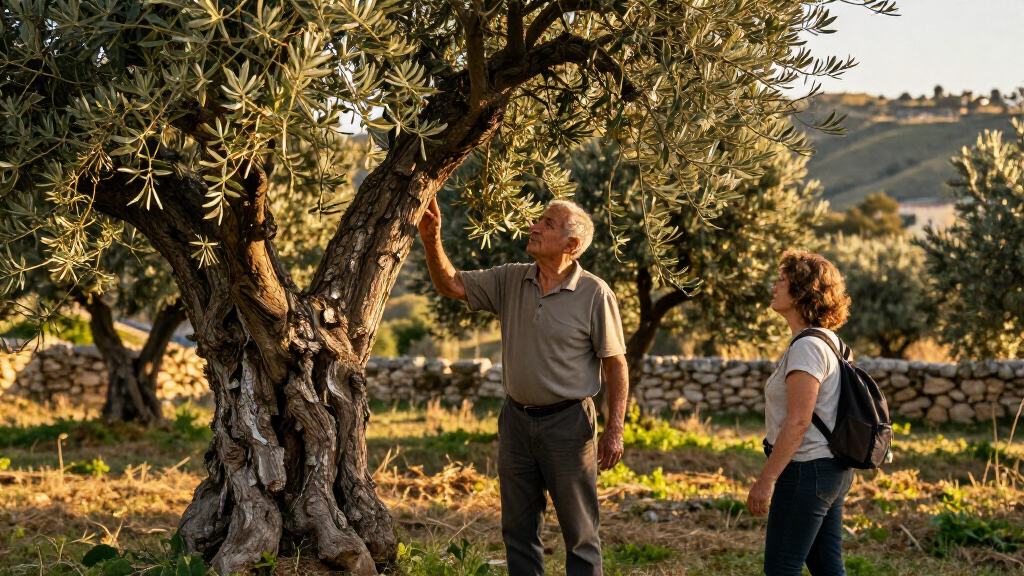
A centuries-old Sicilian community is now confronting the tangible impacts of climate change, with rising temperatures, unpredictable weather, and environmental degradation threatening its traditional way of life. While the community has persisted through numerous historical challenges, experts warn that climate shifts could pose an unprecedented risk to its survival, raising urgent questions about the preservation of local culture and heritage.
The community, located in a rural part of Sicily, has maintained its agricultural practices and cultural traditions for generations. Recent observations indicate increased frequency of droughts, flooding, and soil erosion, which threaten local agriculture and infrastructure. Environmental scientists attribute these changes to broader climate trends, noting that Sicily has experienced hotter, drier summers and more intense storms over the past decade.
Local officials and residents express concern over the long-term viability of their livelihoods. Some have initiated adaptive measures, such as water conservation projects and crop diversification, but experts warn these may be insufficient if climate patterns continue to worsen. The community’s resilience, built over centuries, now faces an uncertain future amid rapid environmental shifts.
Implications for Cultural Heritage and Local Livelihoods
This situation underscores the broader challenge of maintaining cultural heritage communities in the context of climate change. For this Sicilian community, environmental shifts threaten not only their economic stability but also their cultural identity, which is closely tied to traditional practices and local landscapes. The potential loss of this community could impact regional history and cultural diversity.
Furthermore, this case highlights the importance of developing targeted climate adaptation strategies in vulnerable rural areas with deep historical roots. The community’s experience may inform efforts in similar regions across the Mediterranean and other parts of the world, emphasizing the need for proactive measures to safeguard cultural and environmental assets.
water conservation tools for agriculture
As an affiliate, we earn on qualifying purchases.
As an affiliate, we earn on qualifying purchases.
Historical Resilience and Emerging Environmental Threats
This Sicilian community has endured for several centuries, surviving wars, economic shifts, and natural disasters. Its resilience is rooted in local knowledge, social cohesion, and adaptation to regional climatic conditions. However, recent climate data indicate a shift towards more extreme weather patterns, with Sicily experiencing some of the most significant environmental changes in recent history.
Scientific reports have documented rising temperatures and declining rainfall in Sicily over the past 20 years, with projections suggesting these trends will continue. While local adaptation efforts have been undertaken, experts suggest that the scale and speed of climate change may challenge community resilience if global emissions are not reduced.
Unconfirmed Extent of Long-term Impact and Adaptation Success
The long-term impacts of climate change on this community remain uncertain. While current environmental stressors are observable, projections about future resilience and the effectiveness of adaptation efforts are still being developed. Experts caution that ongoing environmental degradation could threaten the community’s sustainability if mitigation and adaptation measures are not adequately implemented.
Monitoring and Policy Responses to Protect Vulnerable Communities
Authorities and environmental organizations are expected to increase monitoring of climate impacts in Sicily and develop targeted adaptation strategies. Support for sustainable practices and infrastructure resilience may be provided to local communities. Regional and international policies will influence future efforts to address environmental threats in vulnerable areas.
Key Questions
What specific climate changes are affecting this Sicilian community?
Residents report increased droughts, flooding, soil erosion, and hotter summers, consistent with regional climate data showing rising temperatures and decreased rainfall in Sicily.
Are there any efforts underway to help the community adapt?
Local initiatives include water conservation and crop diversification, but experts indicate that more comprehensive strategies are necessary to effectively address ongoing environmental changes.
Could this community be completely displaced due to climate change?
While displacement is a possibility under certain scenarios, it remains uncertain whether this will occur. Continued environmental degradation could threaten the community’s sustainability if mitigation and adaptation measures are not sufficiently implemented.
How does this situation relate to broader climate trends?
This community’s experience reflects wider climate change impacts in the Mediterranean region, where increased temperatures and extreme weather events pose risks to ecosystems and societies.
Source: rss
Fall Picks
fall essentials
As an affiliate, we earn on qualifying purchases.