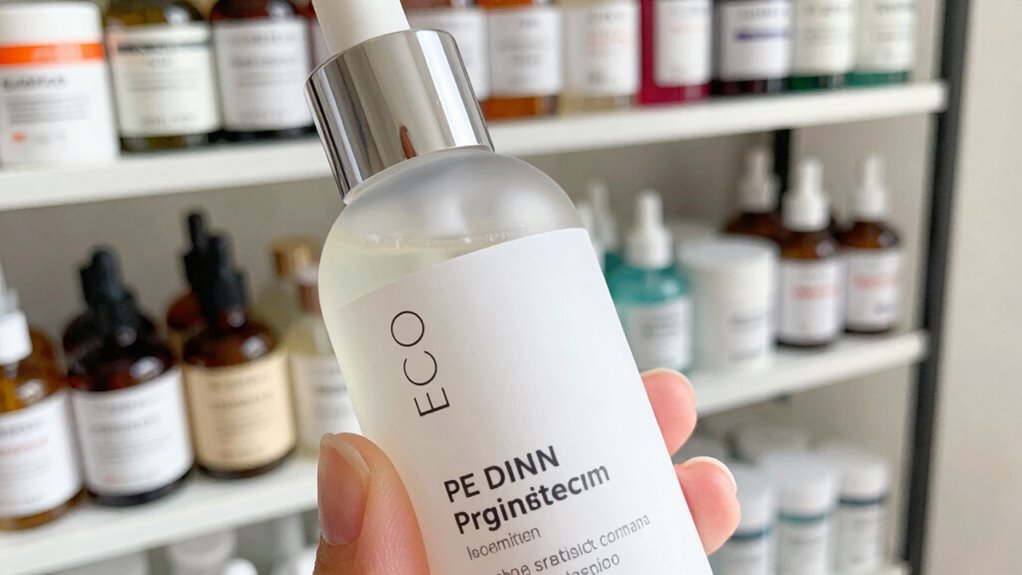

You learned to understand ingredient labels by becoming aware of what to look for and how ingredients are listed. You started recognizing natural preservatives like vitamin E and plant extracts, and distinguishing them from synthetic chemicals such as parabens. Understanding ingredient placement and terminology helped you make smarter choices aligned with your health and values. As you continue exploring, you’ll discover even more tips to confidently select products that support your well-being.
Key Takeaways
- Consumers educated themselves through online resources, tutorials, and beauty blogs about ingredient naming and label interpretation.
- Increased awareness of ingredient transparency motivated shoppers to scrutinize labels for safer, natural, and effective ingredients.
- Brands and regulations improved label clarity, making it easier for consumers to understand ingredient lists.
- Personal experiences and community discussions helped consumers develop confidence in reading labels critically.
- Education campaigns and product labeling standards fostered greater trust and knowledge in identifying ingredient types.
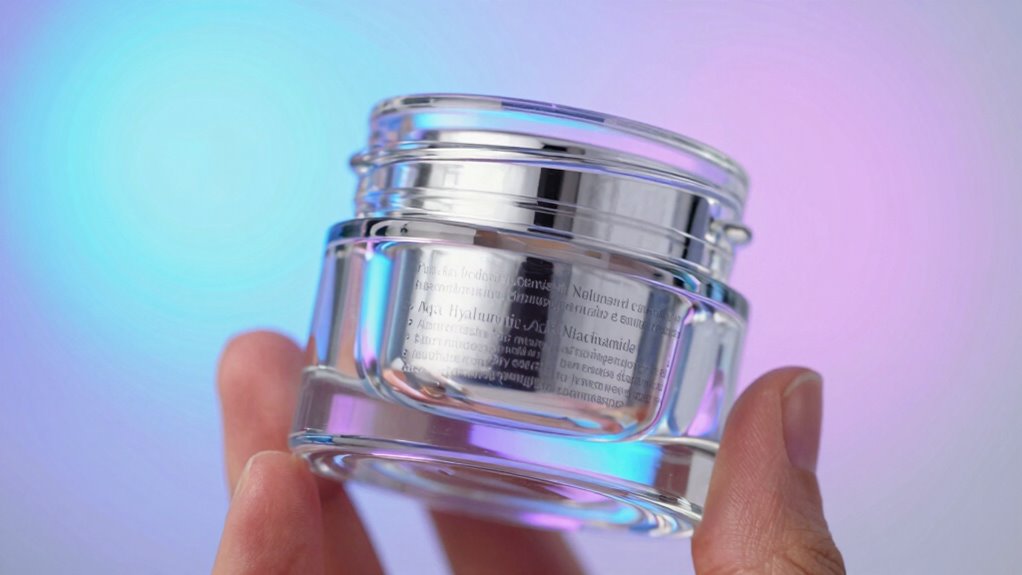
Have you ever wondered what’s really inside your beauty products? It’s a common question, especially as awareness about ingredient transparency grows. Over time, consumers like you have become more curious about what’s in those bottles and tubes, learning to decode ingredient labels to make smarter choices. Understanding these labels isn’t just about avoiding certain chemicals; it’s about knowing what ingredients work best for your skin and health.
Curious about what’s inside your beauty products? Learn to decode labels for healthier, smarter choices.
One key aspect of reading ingredient labels is recognizing the difference between natural preservatives and synthetic additives. Natural preservatives, such as vitamin E (tocopherol), rosemary extract, or grapefruit seed extract, are derived from plants and are often used to extend product shelf life without introducing harsh chemicals. These ingredients appeal to those seeking cleaner, more natural options and are often perceived as gentler for sensitive skin. Knowing how to spot these natural preservatives helps you choose products aligned with your preference for less processed ingredients.
On the other hand, synthetic additives are man-made chemicals added to products to improve stability, texture, scent, or color. Common synthetic preservatives include parabens, formaldehyde-releasing agents, and phenoxyethanol. While these are effective at preventing bacterial growth and extending shelf life, some consumers are cautious about potential health risks associated with long-term exposure to certain synthetic additives. As you learn to read labels, you’ll start to notice these ingredients and weigh their benefits against possible concerns.
Your journey toward understanding ingredient labels begins with familiarizing yourself with common terminology. For example, terms ending in “-paraben” often indicate synthetic preservatives, while ingredients like “tocopherol” or “citric acid” are associated with natural preservatives. Reading the ingredient list in order of concentration can also give you clues about a product’s formulation. Ingredients listed at the top are present in larger amounts, so if natural preservatives appear early, it signals a product that relies on natural solutions rather than synthetic chemicals. Developing this skill enhances your ability to identify ingredient types effectively.
The more you educate yourself, the better you’ll become at making choices that align with your values and skin needs. You’ll start to recognize that not all synthetic additives are harmful, but understanding their presence helps you decide if they fit your comfort level. Additionally, understanding the regulations and standards surrounding ingredient labeling can help you trust the information provided on product labels. Whether you’re seeking products free from certain chemicals or simply want to know what’s in your skincare, learning to interpret ingredient labels empowers you to make informed decisions. Over time, reading labels transforms from a daunting task into a straightforward way to take control of your beauty routine, ensuring it supports your health and well-being. Recognizing the ingredient transparency in products is a crucial step in building trust with the brands you choose.

Talsen Chemicals Optiphen Plus Preservative for Cosmetics, Optiphen Natural Preservative For Lotions Making DIY Products, Serums (1 Ounce / 30 mL)
Hydration and Moisturization: Optiphen Plus adds a conditioning element to formulations for improved skin feel.
As an affiliate, we earn on qualifying purchases.
As an affiliate, we earn on qualifying purchases.
Frequently Asked Questions
How Often Should I Check Ingredient Labels on Beauty Products?
You should check ingredient labels on beauty products every time you buy something new or when existing products run out. Avoid ingredient label myths that suggest only certain products need label reading—consistently reviewing labels helps you avoid harmful ingredients. Make label reading routines a habit, especially if your skin changes or you’re trying new brands. This way, you’re always informed about what you’re putting on your skin, ensuring safer, more effective choices.
Are Natural Ingredients Always Safer Than Synthetic Ones?
Natural ingredients aren’t always the shining knights of safety; synthetic ones can be just as reliable. Think of it like a recipe—sometimes, the synthetic spice enhances the dish without harm. Ingredient safety depends on formulation, concentration, and your skin’s unique needs. Instead of assuming natural equals safe, you should read labels carefully, understanding that both natural and synthetic ingredients have their pros and cons. Knowledge helps you make smarter choices.
What Do Common Ingredient Abbreviations Stand For?
You should know that common ingredient abbreviations help with label comprehension, allowing you to understand what’s in your products. For example, ‘AHA’ stands for Alpha Hydroxy Acids, and ‘SLS’ is Sodium Lauryl Sulfate. Recognizing these abbreviations improves your ingredient hierarchy awareness, helping you make safer, informed choices. Learning these short forms makes reading labels easier, empowering you to select products aligned with your preferences for natural or synthetic ingredients.
How Can I Identify Allergens in Ingredient Lists?
Did you know over 15 million Americans have skin allergies? To identify allergens in ingredient lists, start by reading allergen symbols carefully—they’re often marked with icons or bold text. Learn to spot common allergens like preservatives or fragrances. Be vigilant about identifying hidden allergens; ingredients like “parfum” or “fragrance” can conceal potential irritants. Always double-check labels, especially for products labeled “hypoallergenic,” to guarantee your safety.
Do Ingredient Labels Vary by Country or Region?
Yes, ingredient labels vary by country or region due to regional labeling standards and cultural ingredient preferences. You’ll notice differences in language, formatting, and sometimes ingredient names. For example, European labels follow strict regulations, while U.S. labels may differ in allergen disclosure. Being aware of these variations helps you better understand product contents and make informed choices, especially when traveling or shopping internationally.

ELBBUB Premium Vitamin E Oil – Ultra Concentrated – Moisturizes, Improves Appearance of Scars & Stretch Marks, Skin Hydration – for Face, Body, Hair, and Nails
High Potency Vitamin E Oil – A rich, ultra-concentrated formula designed to deliver intense hydration and nourishment for…
As an affiliate, we earn on qualifying purchases.
As an affiliate, we earn on qualifying purchases.
Conclusion
Now that you know how to read ingredient labels, you’re empowered to make smarter choices. Unlike blindly trusting glossy packaging, you see the truth behind the ingredients. It’s like peeling back a beautiful exterior to reveal what truly matters inside. By understanding what’s in your products, you’re not just choosing beauty—you’re choosing health and honesty. In this world of allure and deception, your awareness becomes your greatest beauty secret.

The Skincare Ingredient Decoder: A Comprehensive Evidence-Based Guide to Understanding Every Ingredient on Your Skincare Label, Building a … Beauty Choices for Your Skin Type and Goals
As an affiliate, we earn on qualifying purchases.
As an affiliate, we earn on qualifying purchases.

Clean Beauty Hydrating Rose Petal Facial Oil with Rosehip Oil & Vitamin E, Reduce Fine Lines & Dark Spots, Moisturize & Nourish, USA Made (1.83 fl oz)
CLEAN BEAUTY HYDRATING FACIAL OIL: This nourishing and hydrating face oil is enriched with 10 botanical extracts, essential…
As an affiliate, we earn on qualifying purchases.
As an affiliate, we earn on qualifying purchases.