Many acne myths waste your time and cause unnecessary skin issues. You might think dirt and poor hygiene cause breakouts, but science shows internal factors like hormones and genetics are the real culprits. Popping pimples worsens scars, and sun exposure can damage your skin long-term. Understanding the truth about diet, skincare, and treatment options helps you approach acne confidently. Keep exploring to uncover more facts that can truly improve your skin health.
Key Takeaways
- Dirt and poor hygiene do not cause acne; internal factors like hormones and genetics are primary contributors.
- Over-washing or scrubbing skin can irritate and worsen acne, contrary to the myth that cleanliness clears breakouts.
- Acne is not caused by greasy foods or chocolates; however, high-glycemic foods may trigger breakouts in some individuals.
- Popping pimples increases inflammation and scarring risk, and does not speed up healing.
- Sun exposure and tanning can temporarily reduce redness but damage skin and increase long-term acne risks.

Cetaphil Gentle Clear Pore Clearing Acne Cleanser, Foaming Gel Cleanser for Sensitive, Acne-Prone Skin, 8 Fl Oz Pump Bottle, 2% Salicylic Acid, Gently Exfoliates, Dermatologist Recommended Brand
CETAPHIL GENTLE CLEAR PORE CLEARING ACNE CLEANSER: Maximum strength OTC formula that treats the underlying causes of breakouts…
As an affiliate, we earn on qualifying purchases.
As an affiliate, we earn on qualifying purchases.
Clarifying the Role of Hygiene in Acne Development

Many people believe that poor hygiene causes acne, but in reality, acne develops from clogged hair follicles due to excess oil, dead skin cells, bacteria, and inflammation. Your skin naturally produces oil to protect itself, and when the pores become blocked, it creates the perfect environment for acne. Over-washing or scrubbing your face can actually make things worse by irritating your skin and disrupting its natural barrier. Instead, you should wash your face twice daily with a gentle, non-abrasive cleanser. Avoid harsh soaps or antibacterial products, as they aren’t necessary and can cause irritation. Proper skincare involves gentle cleansing, avoiding excessive scrubbing, and maintaining a consistent routine to help keep your skin healthy without causing additional inflammation. Regular use of glycolic acid can also aid in exfoliating dead skin cells and preventing pore blockages, contributing to clearer skin.

Go Radiance 2X Bigger 2oz Glycolic Acid Exfoliant, 5% AHA BHA Serum with Salicylic & Lactic Acid for Acne-Prone Skin, Gentle Peel for Oil Control & Pore Refining
Dynamic Exfoliation Trio – Unleash the prowess of glycolic acid serum, lactic acid serum, and salicylic acid serum…
As an affiliate, we earn on qualifying purchases.
As an affiliate, we earn on qualifying purchases.
The Truth About Diet and Acne Triggers

Many people think greasy foods and chocolates directly cause acne, but the science isn’t conclusive. Instead, high-glycemic foods like sugary snacks and refined carbs may worsen breakouts for some individuals. Dairy’s role remains unclear, with some studies suggesting a possible link, but results vary from person to person. Incorporating herbal teas such as chamomile or peppermint may promote relaxation and overall skin health.
Impact of Greasy Foods
While eating greasy or fried foods might make you think your skin will break out more, scientific evidence doesn’t support a direct link between these foods and acne. Many believe that greasy foods clog pores, but acne develops mainly from excess oil production, dead skin cells, bacteria, and inflammation—not the food itself. However, greasy foods often accompany diets high in refined carbs and sugars, which can indirectly worsen acne for some people. If you notice breakouts after consuming fried or fatty foods, it might be due to overall dietary patterns or individual sensitivities rather than the foods alone. Maintaining a balanced diet with whole, nutrient-rich foods can help support healthier skin. Focus on moderation and observe how your skin responds, rather than blaming greasy foods outright.
Glycemic Index Effects
Research shows that the type of carbohydrates you eat can influence acne, particularly those with a high glycemic index (GI). Foods with a high GI cause rapid spikes in blood sugar, which can increase insulin levels. Elevated insulin boosts oil production and inflammation, potentially worsening acne. To understand this better, consider the following:
| Food Type | Glycemic Index | Effect on Blood Sugar |
|---|---|---|
| White bread | High (70+) | Rapid spike, quick drop |
| Whole grains | Moderate (50-70) | Slower, steadier energy |
| Sugary snacks | Very high (70+) | Sharp increase |
| Legumes | Low (<55) | Minimal impact |
Choosing low-GI foods may help reduce acne severity by stabilizing blood sugar and insulin levels. Understanding glycemic impact can empower you to make better dietary choices for clearer skin.
Dairy and Acne Link
Dairy products are often suspected of triggering or worsening acne, but the evidence remains inconclusive. Some studies suggest that milk and dairy might increase acne risk by affecting hormones like insulin and IGF-1, which can boost oil production. However, other research finds no clear link, and individual responses vary widely. You might notice breakouts after consuming certain dairy, but it’s not a universal rule. If you suspect dairy worsens your skin, try reducing or eliminating it temporarily to see if your acne improves. Keep in mind, dairy is a complex food group, and its effects depend on your genetics, overall diet, and lifestyle. Additionally, understanding the contrast ratio of your home projector can help you optimize your viewing environment for better relaxation or entertainment. Consulting a dermatologist or nutritionist can help determine if dairy is a trigger for you.
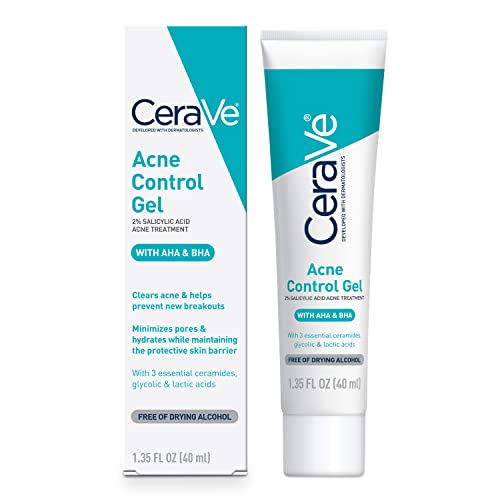
CeraVe Acne Control Gel, 2% Salicylic Acid Treatment With Glycolic Acid + Lactic Acids + Niacniamide, Acne Gel Helps Clear Blemishes Without Over Drying, Alcohol Free & Oil Free, 1.35 Fl Oz
[ACNE TREATMENT WITH BHA/AHA EXFOLIANT] Formulated with 2% salicylic acid and a blend of glycolic acid and lactic…
As an affiliate, we earn on qualifying purchases.
As an affiliate, we earn on qualifying purchases.
Popping Pimples: Does It Help or Harm?

Popping pimples might seem like a quick fix to clear your skin, but it actually does more harm than good. When you squeeze a pimple, you push bacteria, oil, and dead skin deeper into the pore, increasing inflammation and the risk of infection. This often leads to redness, swelling, and even scarring that can last long after the pimple heals. Squeezing also damages the skin’s surface, making it more vulnerable to future breakouts. Instead of trying to remove pimples yourself, it’s better to leave them alone or use dermatologist-recommended treatments like topical medications. Educating yourself about the risks of popping pimples helps prevent unnecessary skin damage and promotes healthier, clearer skin in the long run. Using proper skincare and understanding skin healing processes can also support quicker recovery and reduce the likelihood of permanent marks.

Cetaphil Face Moisturizer, Gentle Clear Mattifying Acne Moisturizer With 0.5% Salicylic Acid, Hydrates and Treats Sensitive Acne Prone Skin, Skin Care for Sensitive Skin, 3oz
CETAPHIL MATTIFYING ACNE MOISTURIZER: Lightweight, fast absorbing face lotion hydrates for 48 hours, while treating and preventing breakouts…
As an affiliate, we earn on qualifying purchases.
As an affiliate, we earn on qualifying purchases.
Sun Exposure and Tanning: Myths Versus Facts

Many people believe that spending time in the sun or tanning beds can clear up acne, but this idea is a myth. While sunlight might temporarily reduce redness and inflammation, it ultimately worsens your skin over time. UV rays damage your skin’s barrier, cause inflammation, and lead to clogged pores, making acne worse. Tanning can also cause skin irritation, pigmentation changes, and increase your risk of skin cancer. Instead of seeking sun exposure, protect your skin with a broad-spectrum sunscreen suited for acne-prone skin. Dermatologists advise against tanning as a treatment for acne because it offers no real benefits and poses serious health risks. If you want clearer skin, stick to dermatologist-recommended treatments rather than risking damage from UV exposure. Proper skin protection is essential for maintaining healthy skin and preventing further issues.
Effective Treatments: Topical, Oral, or Both?

Effective acne treatment often depends on the severity of your condition, and both topical and oral options play important roles. For mild acne, topical treatments like benzoyl peroxide, salicylic acid, or retinoids are usually enough to clear up breakouts. These products target bacteria, unclog pores, and reduce inflammation directly on your skin. However, if your acne is moderate to severe, your dermatologist may recommend oral medications such as antibiotics, hormonal therapy, or isotretinoin. Sometimes, combining topical and oral treatments yields the best results, especially for stubborn or cystic acne. Remember, personalized treatment plans are key, and following your dermatologist’s guidance ensures you get the most effective approach while minimizing side effects. Combining therapies often leads to faster, more holistic clearing of acne.
Lifestyle Factors and Their Impact on Acne
Your lifestyle choices can influence how your skin looks, especially when it comes to acne. Poor sleep and high stress levels may trigger hormonal changes that worsen breakouts, even if the direct link isn’t always clear. By managing stress and prioritizing rest, you could see improvements in your skin’s health and appearance. Incorporating relaxation techniques such as mindfulness meditation or deep breathing exercises can further support your skin health by reducing physical and emotional tension stress management.
Sleep and Acne
Although the direct link between sleep and acne remains unclear, insufficient or poor-quality sleep can indirectly worsen your skin health. When you don’t sleep enough, your body produces more stress hormones like cortisol, which can trigger increased oil production and inflammation—both factors that contribute to acne. Poor sleep also hampers your skin’s ability to repair itself overnight, making breakouts and skin irritation more likely. Additionally, lack of rest weakens your immune system, reducing your skin’s ability to fight bacteria that cause acne. Improving sleep hygiene, such as creating a relaxing bedtime routine, can support overall skin health. To keep your skin clearer, aim for 7-9 hours of quality sleep each night. Prioritize a consistent sleep schedule, limit screen time before bed, and create a relaxing bedtime routine to support overall skin health.
Stress and Skin Health
Stress can considerably influence your skin health, even if it’s not a direct cause of acne. When you’re stressed, your body releases hormones like cortisol, which can increase oil production in your skin. This excess oil can clog pores and promote inflammation, making acne outbreaks more likely. Stress also weakens your immune system, reducing your skin’s ability to fight bacteria and heal itself. Additionally, stress may lead to habits like touching your face or neglecting skincare routines, further aggravating skin conditions. While stress alone doesn’t cause acne, managing stress levels can help improve your skin’s overall health and reduce the severity of breakouts. Incorporating relaxation techniques, regular exercise, and good sleep habits can support healthier skin and better acne control. Understanding the impact of mechanical and environmental factors can help you better address skin concerns related to lifestyle.
Understanding the Causes of Acne: What Science Says

Understanding the causes of acne involves recognizing that it results primarily from clogged hair follicles, which become inflamed due to excess oil, dead skin cells, and bacteria. When your skin produces too much oil, it mixes with dead skin, blocking pores. Bacteria, especially *Propionibacterium acnes*, then thrive in these clogged follicles, triggering inflammation and redness. Hormonal fluctuations, like those during puberty, menstruation, or stress, can increase oil production, making breakouts worse. Genetics also play a role, meaning some people are more prone to acne regardless of skincare habits. Importantly, dirt or poor hygiene don’t cause acne—it’s a complex interaction of biological factors. Recognizing these scientific facts helps you understand that acne isn’t a result of bad habits but a skin condition influenced by internal processes. Additionally, understanding how Hormonal fluctuations impact oil production can help in managing breakouts more effectively.
Common Misconceptions About Acne and Skin Care

Many people hold misconceptions about what causes and treats acne, which can lead to ineffective or even harmful skincare habits. Believing that washing your face more often clears acne can backfire, as over-washing irritates the skin. Similarly, thinking that greasy foods directly cause breakouts leads some to unnecessarily restrict their diet. Popping pimples might seem like a quick fix, but it increases inflammation and scarring. And some assume tanning improves skin, but UV exposure worsens acne and damages your skin long-term.
Be cautious with these myths:
- Excessive washing or scrubbing irritates skin and worsens acne.
- Eating greasy or chocolate foods doesn’t directly cause breakouts.
- Tanning or sun exposure can damage skin and worsen acne over time.
How to Approach Acne Treatment With Confidence
Approaching acne treatment with confidence starts with dispelling common myths and understanding your skin. Know that a tailored approach works best—what helps one person might not suit another. Focus on gentle, consistent skincare, like washing twice daily with a mild cleanser, and avoid harsh products or over-washing. Recognize that diet impacts acne differently; some foods may worsen your skin, but there’s no one-size-fits-all. Stay patient and consult a dermatologist for personalized advice. Remember, acne treatment is a process, not a quick fix. Keep realistic expectations, stay committed, and trust science-backed methods. Here’s a quick guide:
| Focus Area | Tips |
|---|---|
| Skincare | Use gentle cleansers, avoid scrubbing |
| Diet | Monitor foods that trigger your skin |
| Treatment | Combine topical and, if needed, oral therapies |
Frequently Asked Questions
Can Poor Hygiene Really Cause or Worsen Acne?
Poor hygiene doesn’t cause or worsen acne. Your skin’s issues stem from clogged hair follicles, excess oil, dead skin cells, bacteria, and inflammation. Over-washing or scrubbing can irritate your skin and make acne worse. Instead, wash your face twice daily with a gentle cleanser, avoid harsh soaps, and don’t over-exfoliate. Proper skincare helps maintain your skin’s natural barrier and reduces irritation, supporting clearer skin.
Are Greasy Foods the Main Dietary Culprit for Acne?
You might be surprised to learn that only about 25% of people report their acne worsening with greasy foods. While many believe these foods are the main culprit, scientific evidence shows no direct link. Instead, high-glycemic foods like sugary snacks and refined carbs seem to have a bigger impact for some. So, focus on balanced eating and avoid assuming greasy foods are solely responsible for your breakouts.
Does Sunbathing Help Clear up Skin Faster?
Sunbathing doesn’t help clear up your skin faster. While it might temporarily reduce redness or inflammation, it actually damages your skin over time, causing irritation, inflammation, and clogged pores that worsen acne. UV rays can also lead to skin aging and increase the risk of skin cancer. Protect your skin by using a broad-spectrum sunscreen and practicing proper skincare instead of relying on sunbathing as a treatment.
Are Topical Treatments Sufficient for All Types of Acne?
Topical treatments aren’t enough for all types of acne, especially moderate to severe cases. If you have deep cysts or widespread outbreaks, you’ll likely need oral medications like antibiotics or hormonal therapy alongside topical options. It’s best to consult a dermatologist who can create a personalized plan tailored to your skin’s needs. Combining treatments often gives better results and helps prevent scarring, so don’t rely solely on over-the-counter products.
How Much Do Lifestyle Habits Like Stress or Sleep Affect Acne?
Stress can worsen acne by triggering hormonal changes that increase oil production, so managing stress helps improve your skin. Poor sleep might also contribute to breakouts by impairing your body’s ability to repair skin and regulate hormones. While these habits aren’t the sole causes, maintaining good sleep patterns and stress management can support clearer skin. Prioritize a balanced lifestyle, and you’ll likely see a positive impact on your acne.
Conclusion
Remember, when it comes to your skin, small truths can make a big difference. Don’t let myths cloud your judgment or hold you back from confident care. Trust in science, be gentle with your skin, and stay informed. With the right approach, you can navigate your acne journey smoothly, embracing your natural beauty along the way. Keep learning, stay patient, and let your radiant skin shine through the well-informed choices you make.