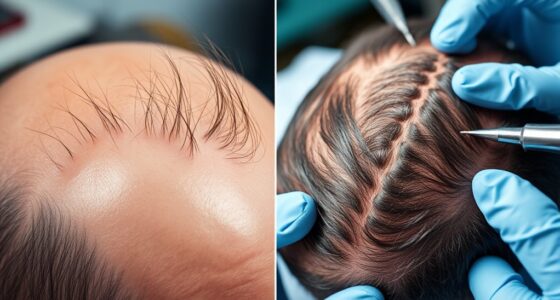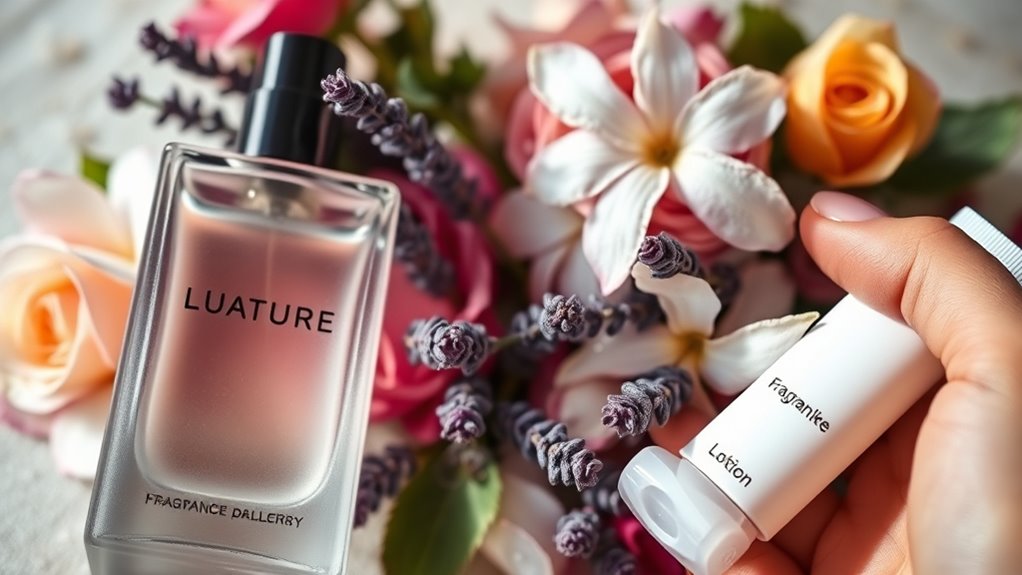

Fragrance allergies happen when your skin or respiratory system reacts to scented products with hidden chemicals like linalool or limonene. Common signs include skin irritation, redness, itching, headaches, or breathing issues. Those with sensitive skin, asthma, or occupational exposure risk more. To reduce reactions, choose scent-free options and read labels carefully. If you want to know more about how to protect yourself and find safer alternatives, you’re about to learn effective strategies.
Open a free Amazon Business account
Business pricing, bulk buying and tax-exempt orders.
As an affiliate, we earn on qualifying purchases.
Key Takeaways
- Fragrance allergies are caused by exposure to scented products containing allergens like linalool, limonene, and oakmoss absolute.
- Symptoms include skin irritation, redness, itching, swelling, and respiratory issues such as sneezing and wheezing.
- Diagnosis often involves patch testing, but ingredient variability and hidden fragrances complicate identification.
- To reduce exposure, choose fragrance-free or unscented products and carefully read labels for hidden fragrances.
- Alternatives include using products labeled “fragrance-free,” seeking transparent brands, and advocating for better ingredient disclosure.
Top picks for "fragrance allergy caus"
As an affiliate, we earn on qualifying purchases.
Understanding Fragrance Allergies and Their Prevalence
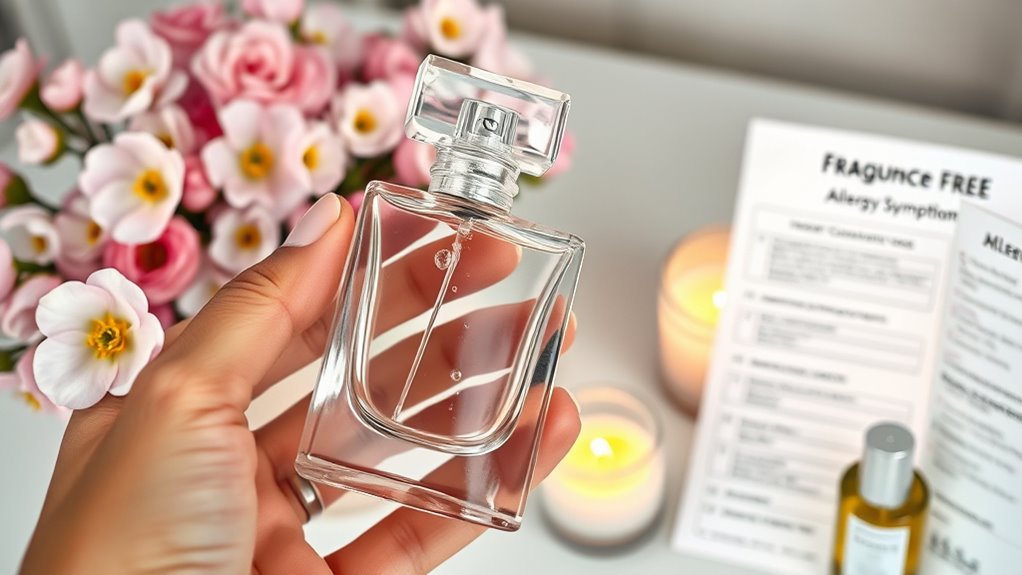
Have you ever wondered how common fragrance allergies really are? Studies show that about 1.9% of the general population has confirmed fragrance contact allergy, but when considering allergic contact dermatitis, the number rises to around 4.5%. In the U.S., nearly a third of people report irritation from scented products on others, and many experience adverse health effects from air fresheners and laundry products. If you have eczema, your risk increases, with about 10% testing positive for fragrance allergens. Despite widespread use, the prevalence remains steady, partly because ingredient transparency and regulation haven’t improved much. This means many people are unknowingly exposed and at risk, making it essential to understand how prevalent fragrance allergies truly are in daily life. Additionally, attention to detail in ingredient labeling can help consumers identify potential allergens more effectively.
Common Sources and Allergens in Fragrance Products

Fragrances are found in a wide range of everyday products, making exposure nearly unavoidable. You’ll encounter them in perfumes, deodorants, lotions, and aftershaves, as well as cleaning products like sprays and detergents. Air fresheners, candles, and even paper products can contain fragrances that trigger allergies. Laundry items such as fabric softeners and scented dryer sheets are common sources, along with cosmetics like shampoos, body washes, and makeup. Many occupational settings, like salons and cleaning services, expose workers to fragrance chemicals regularly. Since ingredient disclosure is limited, you often don’t know what’s in these products. Common allergens include linalool, limonene, hydroxyisohexyl 3-cyclohexene carboxaldehyde, and oakmoss absolute, all of which can provoke allergic reactions. Additionally, some fragrances may contain eye patch benefits, which can cause irritation if the skin around the eyes is sensitive.
Recognizing the Symptoms of Fragrance Sensitivities
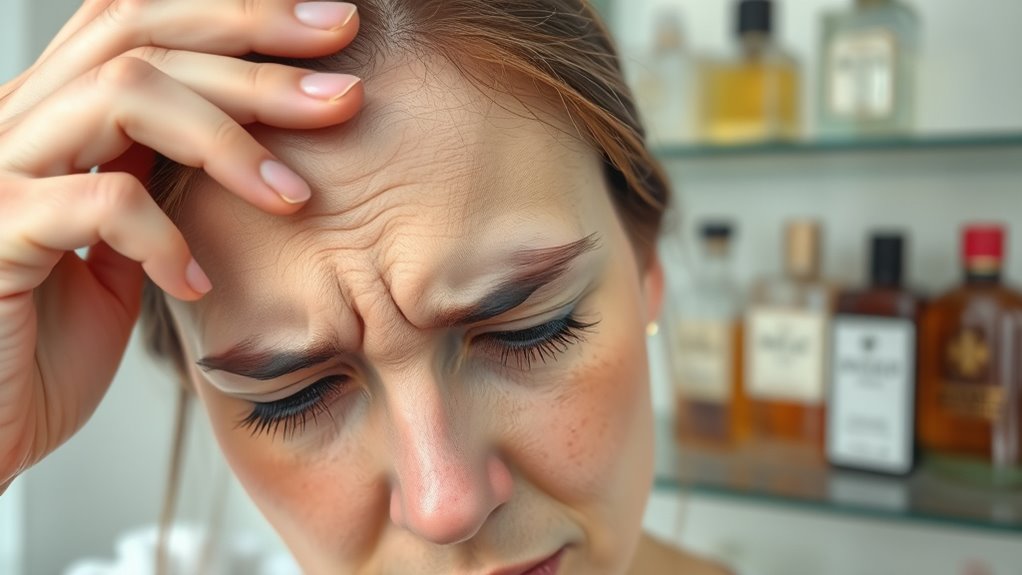
Recognizing the symptoms of fragrance sensitivities can help you identify when exposure is affecting your health. Common signs include skin reactions like redness, itching, swelling, or blisters, especially in areas that come into contact with scented products. You might also experience headaches, respiratory issues such as sneezing or wheezing, or general irritation. These symptoms can occur immediately after exposure or develop over time with repeated contact. Being alert to these signs can help you avoid further reactions and take steps to reduce exposure. Additionally, understanding pinball machine weight can be useful if you’re considering storage or moving equipment to avoid accidental injury or damage.
Populations at Greater Risk of Developing Allergies

If you have pre-existing respiratory conditions like asthma, you’re at higher risk of experiencing adverse reactions to fragrances. Occupational exposure also increases your chances of developing allergies, especially if your job involves frequent contact with scented products. Being aware of these risks can help you take steps to protect yourself and reduce your allergy potential. Additionally, exposure to indoor air pollutants such as volatile organic compounds from air fresheners and cleaning agents can further aggravate fragrance sensitivities.
Pre-existing Respiratory Conditions
Individuals with pre-existing respiratory conditions, such as asthma or chronic bronchitis, face a higher risk of developing fragrance allergies and experiencing adverse reactions. Exposure to scented products can trigger or worsen symptoms, making breathing more difficult and increasing sensitivity. You’re more vulnerable because fragrances can irritate your airways, leading to inflammation or asthma attacks. To protect yourself, be aware of potential triggers and choose fragrance-free or unscented products. Additionally, advancements in natural language processing are helping develop more accurate allergy detection tools that can alert you to potential irritants in products.
Occupational Exposure Risks
People working in fragrance-intensive industries face a considerably higher risk of developing allergies due to repeated exposure to scent chemicals. You may encounter frequent contact as a massage therapist, hairdresser, or cosmetologist, increasing your chances of sensitization. These workers often handle products containing over 3,000 chemicals, some of which are common allergens. The table below highlights populations most at risk:
| Population | Exposure Level | Common Symptoms |
|---|---|---|
| Fragrance Industry Workers | Continuous handling of scented products | Dermatitis, respiratory issues |
| Healthcare Professionals | Exposure to scented disinfectants | Skin irritation, headaches |
| Consumers with Sensitivities | Regular use of scented products | Allergic contact dermatitis |
| Elderly and Children | Increased susceptibility | Skin reactions, respiratory problems |
Reducing risks involves proper ventilation, protective gear, and choosing fragrance-free options. Implementing protective measures is especially important in workplaces with high exposure levels, as noted in the retail industry.
Diagnosing Fragrance Allergies: Tests and Challenges
You might find patch testing helpful in confirming if a fragrance allergy exists, but it’s not always straightforward. The procedure involves applying small amounts of common allergens to your skin and observing reactions over time, which can sometimes lead to uncertain results. Challenges like ingredient variability and false negatives make diagnosing fragrance allergies a complex process. Additionally, differentiating between allergic and irritant reactions requires careful interpretation by a trained professional, especially given the methodologies used in patch testing.
Patch Test Procedures
Patch testing is the most reliable method for diagnosing fragrance allergies, involving the application of small amounts of allergens onto your skin to observe reactions. During the test, patches containing common fragrance allergens are placed on your back or arm for 48 hours. You’ll need to avoid bathing or sweating excessively during this period. After removal, your healthcare provider examines the skin for signs of allergic reactions. Storage conditions can also influence the severity of allergic responses, so maintaining proper storage of products is important.
- Preparation: Follow instructions to avoid topical medications or creams that could interfere.
- Application: Patches are carefully placed and kept in place for accurate results.
- Reading Results: Reactions are checked at 48 and 72 hours, noting redness, swelling, or blisters.
Patch testing helps confirm fragrance allergies accurately, guiding you toward safe product choices.
Diagnostic Challenges
Diagnosing fragrance allergies presents several challenges due to the complex and variable nature of fragrance formulations. Since over 3,000 chemicals can be used, identifying the specific allergen isn’t straightforward. Patch testing is your primary tool, but it’s not infallible—some allergens may be missing from standard series, and reactions can be delayed or mimic other issues. Labeling gaps make avoidance difficult, especially in the U.S., where ingredient disclosure isn’t always complete. Additionally, sensitivities vary between individuals, and cross-reactivity complicates interpretation. You might also encounter false negatives if testing doesn’t include all relevant fragrance components. This complexity can delay diagnosis, making it hard to definitively link symptoms to specific fragrance exposures. Furthermore, understanding the Volkswagen Tuning modifications involved in various models can help illustrate the importance of precise identification and testing in complex systems.
Strategies for Reducing Exposure and Managing Allergies
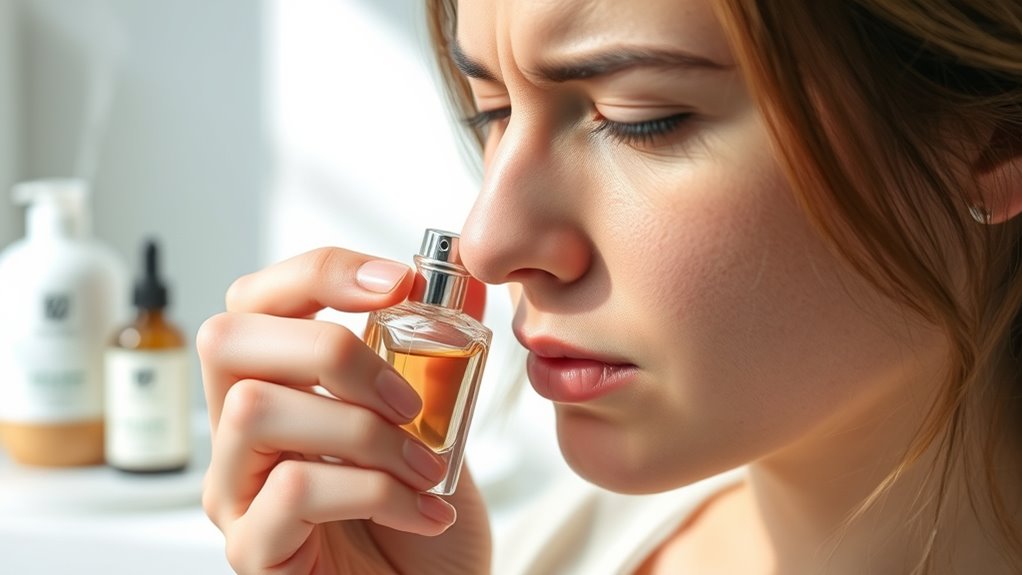
To effectively reduce exposure to fragrance allergens and manage sensitivities, it’s essential to choose fragrance-free or unscented products whenever possible. Always read labels carefully, as many products contain hidden fragrances. You can also:
Choose fragrance-free products and read labels carefully to reduce allergen exposure effectively.
- Use personal care items labeled “fragrance-free” or “unscented,” and verify ingredients when possible.
- Improve ventilation in your home and workplace to disperse airborne irritants.
- Wear protective gear, like masks or gloves, during cleaning or handling products with potential allergens.
- Incorporating glycolic acid into your skincare routine, when suitable, can help improve skin barrier function and reduce irritation caused by allergens.
Additionally, inform friends, family, and coworkers about your sensitivities so they can avoid using scented products around you. Regularly updating your environment and making informed choices helps minimize reactions and supports better allergy management.
Exploring Fragrance-Free Alternatives and Consumer Resources

If you’re looking to reduce your exposure to fragrance allergens, exploring fragrance-free alternatives and consumer resources can make a significant difference. Start by choosing products labeled “fragrance-free” or “unscented,” but read labels carefully—some products still contain hidden fragrances. Many brands now offer dedicated allergy-friendly lines, making it easier to find safe options. Use online databases and apps, like California’s ingredient transparency tools, to check for potential allergens before purchasing. When shopping, prioritize products with minimal ingredients and transparent labeling. In workplaces and shared spaces, advocate for fragrance-free zones and better ventilation. Additionally, support policies that require full disclosure of fragrance ingredients. These steps help you make safer choices and reduce your risk of allergic reactions.
Frequently Asked Questions
Can Fragrance Allergies Develop Suddenly After Years of Exposure?
Yes, fragrance allergies can develop suddenly even after years of exposure. You might notice new symptoms like skin redness, itching, or irritation after continuous contact. This happens because your immune system can become sensitized over time, making you react to fragrances you previously tolerated. Keep track of product ingredients and consider patch testing if symptoms appear unexpectedly. Avoiding fragrances and choosing fragrance-free products can help prevent reactions.
Are Natural or Organic Fragrances Less Likely to Cause Allergies?
Natural or organic fragrances aren’t necessarily less likely to cause allergies. While they often contain fewer synthetic chemicals, they still include plant extracts and essential oils that can trigger reactions in sensitive individuals. You should be cautious, as natural ingredients can be just as allergenic. Always check labels and do patch tests if you’re prone to sensitivities, even with products labeled as natural or organic.
How Can I Tell if a Product Is Truly Fragrance-Free?
Ever wonder how to spot a truly fragrance-free product? The key is to read the label carefully. Look for products marked “fragrance-free” or “unscented,” but remember, these terms aren’t strictly regulated. Check the ingredient list for any mention of fragrances, essential oils, or masking fragrances. If ingredients aren’t listed or if you’re unsure, contact the manufacturer for clarification. Staying vigilant helps you avoid hidden allergens effectively.
Do Fragrance Allergies Improve if I Avoid Scented Products Completely?
Yes, avoiding scented products completely can help improve your fragrance allergy symptoms. When you stop using products with fragrances, your skin and respiratory system are less exposed to allergens, reducing irritation and allergic reactions over time. Consistent avoidance minimizes sensitization, and your symptoms may lessen or even resolve. However, it might take weeks or months for noticeable improvements, so patience and careful product choices are essential.
Are Fragrance Allergies Hereditary or Influenced by Family History?
You might think fragrance allergies are purely environmental, but family history can influence your risk. Genetics may predispose you to sensitivities, making you more prone to developing allergies if your relatives have them. While avoiding scented products helps, understanding your family’s allergy patterns can alert you to potential risks. Don’t ignore this link—it could be the key to protecting your skin and health from future allergic reactions.
Conclusion
As you navigate the world of fragrances, it’s no coincidence that being aware of allergies can help you avoid discomfort. By recognizing common sources and symptoms, you can make smarter choices and explore fragrance-free options. Remember, your sensitivity might surprise you—sometimes, the smallest change makes the biggest difference. Staying informed and cautious guarantees you enjoy products without the unwanted side effects, keeping your health and well-being in balance without missing out on life’s little pleasures.
College move-in / dorm season Picks
dorm essentials
As an affiliate, we earn on qualifying purchases.