
Good nutrition is key for holistic beauty and healthy, youthful skin. Vitamins A, C, D, and E, along with minerals like zinc and selenium, help protect, repair, and strengthen your skin. Healthy fats boost elasticity and hydration, while antioxidants fight off free radicals that cause aging. Staying hydrated and eating a balanced diet rich in plant-based nutrients supports resilience and glow. To uncover simple ways to elevate your skincare through nutrition, explore further insights below.
Key Takeaways
- Adequate intake of vitamins A, C, D, E, and minerals supports skin repair, collagen synthesis, and aging prevention.
- Healthy dietary fats, especially omega-3s and omega-6s, strengthen skin barrier, reduce inflammation, and promote hydration.
- Antioxidant-rich foods like berries, green tea, and carotenoids protect skin from oxidative stress and environmental damage.
- Proper hydration, balanced macronutrients, and plant-based nutrients enhance skin elasticity, resilience, and overall glow.
- Recognizing nutritional deficiencies allows targeted dietary adjustments to maintain skin health and prevent aging signs.
Essential Vitamins and Minerals for Radiant Skin

Achieving radiant skin starts with ensuring your body gets the right vitamins and minerals. Vitamins A, C, D, and E are essential because they protect, repair, and maintain your skin. Vitamin A supports cell turnover, helping your skin stay smooth, while vitamin C is fundamental for collagen production, which keeps your skin firm and elastic. Vitamin D regulates skin cell growth and may slow aging signs. Vitamin E acts as a powerful antioxidant, shielding your skin from environmental damage. Minerals like zinc, selenium, and copper play critical roles in skin structure and healing; zinc, in particular, aids in wound repair and reduces inflammation. Incorporating these nutrients in your diet helps maintain healthy, glowing skin and prevents premature aging. Additionally, understanding AI safety measures can inform future innovations in skincare technology and personalized treatments.
How Dietary Fats Enhance Skin Elasticity and Firmness
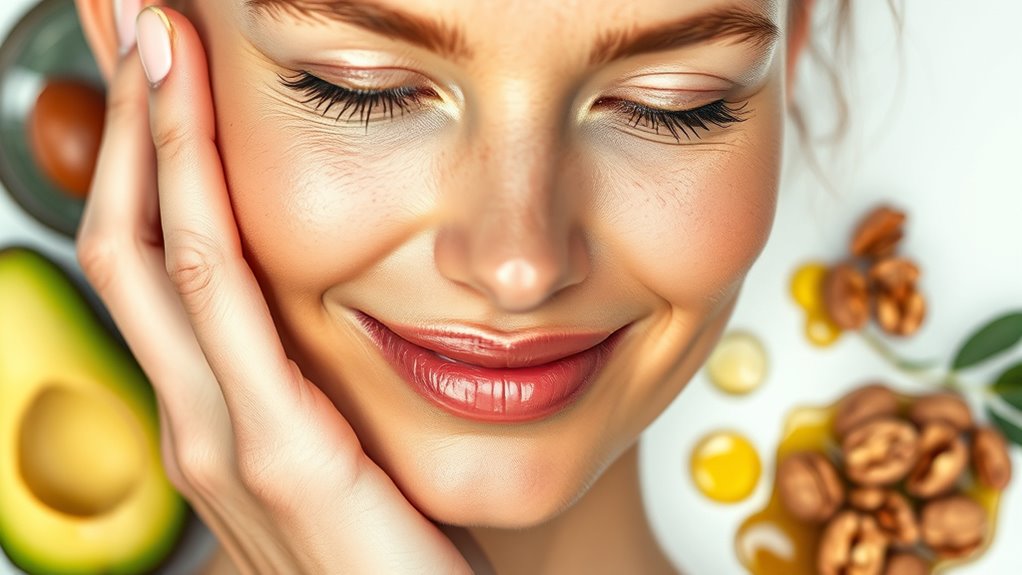
Dietary fats play a crucial role in maintaining your skin’s elasticity and firmness by supporting the structure and function of cell membranes. When you include healthy fats in your diet, they help keep your skin supple and resilient. Here are four ways fats improve skin elasticity:
- They incorporate essential fatty acids, like omega-3s and omega-6s, into cell membranes, enhancing flexibility.
- They reduce inflammation, preventing skin breakdown and promoting a firm appearance.
- They support the production of ceramides, which strengthen the skin barrier and lock in moisture.
- They facilitate collagen and elastin synthesis, essential proteins for skin firmness.
- Using budgeting tips, you can better allocate resources for skincare and health products that support skin elasticity.
The Power of Antioxidants in Combating Skin Aging

Antioxidants play a vital role in protecting your skin from the damage caused by free radicals and UV exposure. By neutralizing these harmful molecules, they help maintain collagen stability and reduce signs of aging. Incorporating antioxidant-rich foods into your diet can greatly support your skin’s health and youthful appearance. Steampunk-inspired design elements often incorporate gears and mechanical motifs that symbolize resilience and timeless craftsmanship, much like the enduring benefits of antioxidants for skin vitality.
Antioxidants Neutralize Free Radicals
Have you ever wondered how your skin fights off the aging process? The answer lies in antioxidants neutralizing free radicals—unstable molecules that damage skin cells and accelerate aging. When you consume antioxidant-rich foods, you provide your skin with powerful defenders. These antioxidants work by:
- Scavenging free radicals before they damage DNA and cellular membranes
- Reducing oxidative stress that leads to wrinkles and loss of firmness
- Supporting collagen production by protecting enzymes involved in skin repair
- Enhancing skin’s natural barrier, helping it resist environmental stressors
Protect Skin From UV Damage
Protecting your skin from UV damage is essential in the fight against premature aging, and antioxidants play a critical role in this defense. They neutralize free radicals generated by UV exposure, reducing DNA and cellular membrane damage. Consuming antioxidant-rich foods like berries, leafy greens, nuts, and seeds boosts your skin’s natural defenses. Vitamins C and E are especially effective, supporting collagen synthesis and lipid protection. To deepen your understanding, here’s a quick comparison:
| Antioxidant | Primary Benefit |
|---|---|
| Vitamin C | Collagen production, photoprotection |
| Vitamin E | Protects cell membranes from damage |
| Polyphenols | Reduce inflammation, oxidative stress |
| Selenium | Enhances overall antioxidant defense |
Incorporate these nutrients to strengthen your skin against UV harm and slow aging. Antioxidant-rich foods help to further bolster your skin’s resilience against environmental stressors.
Enhance Collagen Stability
Enhancing collagen stability is a crucial step in combating skin aging, especially since collagen fibers provide the skin’s firmness and elasticity. Antioxidants play a vital role by neutralizing free radicals that damage collagen. To boost stability, focus on these strategies:
- Consume foods rich in vitamins C and E, such as citrus fruits and nuts, to support collagen synthesis and protect existing fibers.
- Incorporate polyphenol-rich options like berries and green tea, which reduce oxidative stress.
- Use topical antioxidants to directly shield skin cells from environmental damage.
- Limit exposure to UV and pollution, which accelerate collagen breakdown. Prioritizing antioxidant intake and protection helps maintain youthful, resilient skin. Tea brewing methods can also offer additional skin benefits through herbal infusions.
Hydration and Macronutrients: Foundations of Skin Vitality
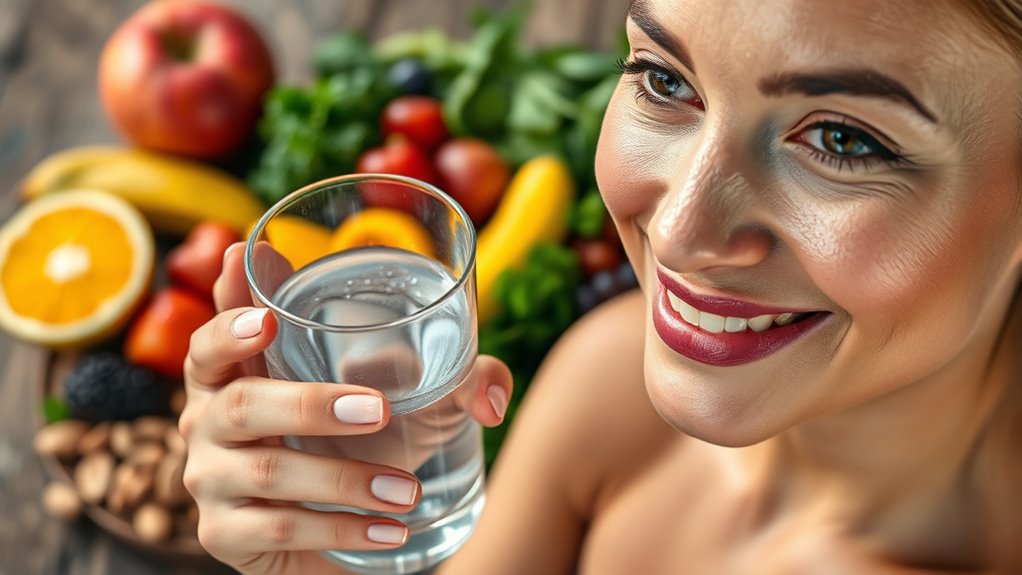
Hydration and macronutrients form the foundation of vibrant, healthy skin by providing essential building blocks for cellular function and structural integrity. When you stay well-hydrated, your skin maintains its elasticity, smoothness, and a youthful glow. Macronutrients like carbohydrates, fats, and proteins supply energy and support skin renewal processes. Carbohydrates fuel cellular activities, while healthy fats strengthen your skin’s barrier and reduce inflammation. Proteins provide amino acids necessary for collagen production and wound healing. Here’s a quick overview:
| Nutrient | Role | Impact on Skin |
|---|---|---|
| Water | Keeps skin hydrated and plump | Improves smoothness |
| Carbohydrates | Energy source for skin cells | Supports extracellular matrix |
| Fats | Maintain lipid barrier, reduce TEWL | Enhances elasticity |
| Proteins | Building blocks for collagen and repair | Increases firmness |
| Minerals | Enzymatic processes, structural support | Strengthens tissues |
Beneficial Dietary Patterns for Skin Wellness

Focusing on plant-based foods and healthy fats can considerably boost your skin’s wellness. Incorporate plenty of fruits, vegetables, nuts, and seeds to provide antioxidants and essential nutrients, while healthy fats like omega-3s support elasticity and barrier function. These dietary choices help protect your skin from aging and environmental damage, promoting a vibrant, youthful glow. Using chia seeds, a nutrient-dense superfood, can further enhance your skin health with their high levels of omega-3 fatty acids and antioxidants.
Emphasize Plant-Based Foods
Have you ever considered how plant-based foods can boost your skin’s health? Incorporating more plants into your diet provides powerful antioxidants and essential nutrients that support skin vitality. Here are four ways plant-based foods benefit your skin:
- Rich in vitamins like C and E, which promote collagen production and protect against UV damage.
- Contain polyphenols and flavonoids that reduce inflammation and oxidative stress.
- Supply minerals such as zinc and selenium essential for skin repair and immune function.
- Offer fiber that supports gut health, indirectly improving skin clarity and reducing inflammation.
Additionally, a diet rich in nutrition in automation can help optimize your body’s overall health, including your skin’s condition.
Incorporate Healthy Fats
Incorporating healthy fats into your diet is a key strategy for supporting skin wellness, as these nutrients directly influence the structure and function of your skin barrier. Omega-3 and omega-6 fatty acids help maintain elasticity, hydration, and reduce inflammation, which are essential for youthful skin. Consuming sources like fatty fish, nuts, seeds, and plant oils ensures your skin gets necessary lipids for peak health. Including these fats can improve firmness and protect against environmental damage. Here’s a quick overview:
| Fat Type | Food Sources | Benefits |
|---|---|---|
| Omega-3 | Salmon, chia seeds, walnuts | Reduce inflammation, boost elasticity |
| Omega-6 | Sunflower oil, pumpkin seeds | Support skin barrier, hydration |
| Monounsaturated | Olive oil, avocados | Enhance skin softness, antioxidant effects |
Prioritize these fats to nurture your skin from within.
Recognizing and Addressing Nutritional Deficiencies in Skin Disorders

Recognizing nutritional deficiencies is essential for diagnosing and managing skin disorders effectively. You should look for signs like persistent dryness, slow wound healing, increased infections, or uneven pigmentation. To identify deficiencies, consider these key indicators:
Identifying nutritional deficiencies helps diagnose skin issues like dryness, slow healing, and pigmentation changes.
- Dry, rough skin or dermatitis may suggest vitamin A or essential fatty acid deficiency.
- Slow healing wounds or susceptibility to infections could point to zinc or vitamin C shortages.
- Loss of elasticity or sagging skin might indicate vitamin D or protein deficiencies.
- Pale or dull skin may be linked to iron deficiency or inadequate hydration.
- Implementing payment security measures can help protect patient data during online consultations and transactions.
Addressing these issues involves dietary adjustments, targeted supplementation, or medical consultation. Correcting deficiencies can restore skin vitality, improve resilience, and prevent further complications.
The Impact of Plant-Based Nutrients on Skin Protection
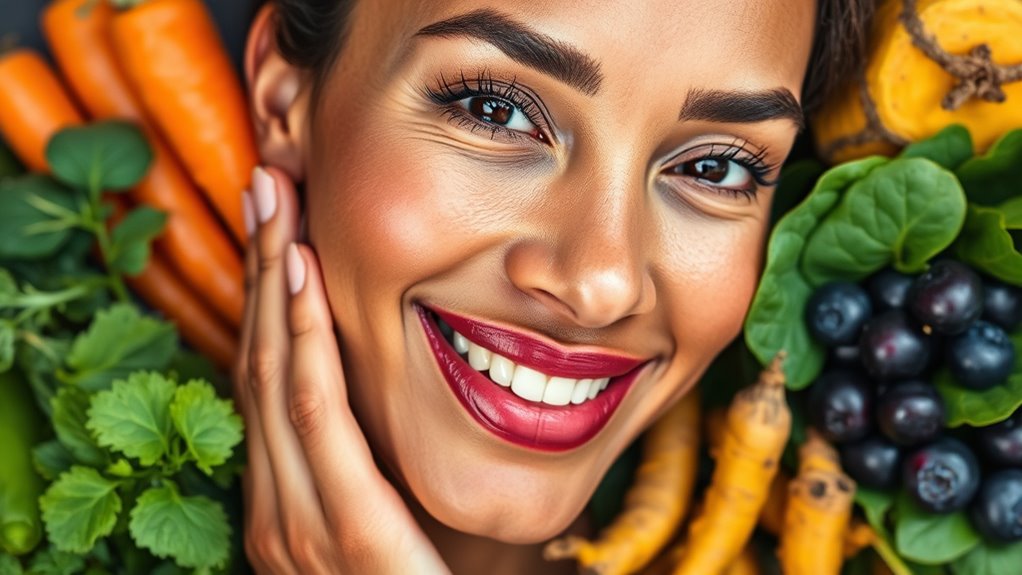
Plant-based nutrients play a vital role in shielding your skin from environmental damage and supporting its overall health. These nutrients act as antioxidants, anti-inflammatory agents, and skin barrier protectors. Polyphenols and flavonoids found in foods like berries, green tea, and dark chocolate neutralize free radicals and reduce UV damage. Carotenoids such as beta-carotene and lycopene, present in carrots, tomatoes, and watermelon, enhance skin resilience and brightness. Phytosterols strengthen the skin’s lipid barrier, helping retain moisture. Here’s a snapshot of key plant-based nutrients:
| Nutrient | Food Sources | Skin Benefits |
|---|---|---|
| Polyphenols | Berries, green tea | Protect against UV damage |
| Carotenoids | Carrots, tomatoes | Improve skin elasticity |
| Flavonoids | Dark chocolate, citrus | Reduce inflammation |
| Phytosterols | Nuts, seeds | Strengthen skin barrier |
| Vitamin C | Citrus fruits, peppers | Boost collagen synthesis |
Balancing Nutrients for Optimal Skin Function and Appearance
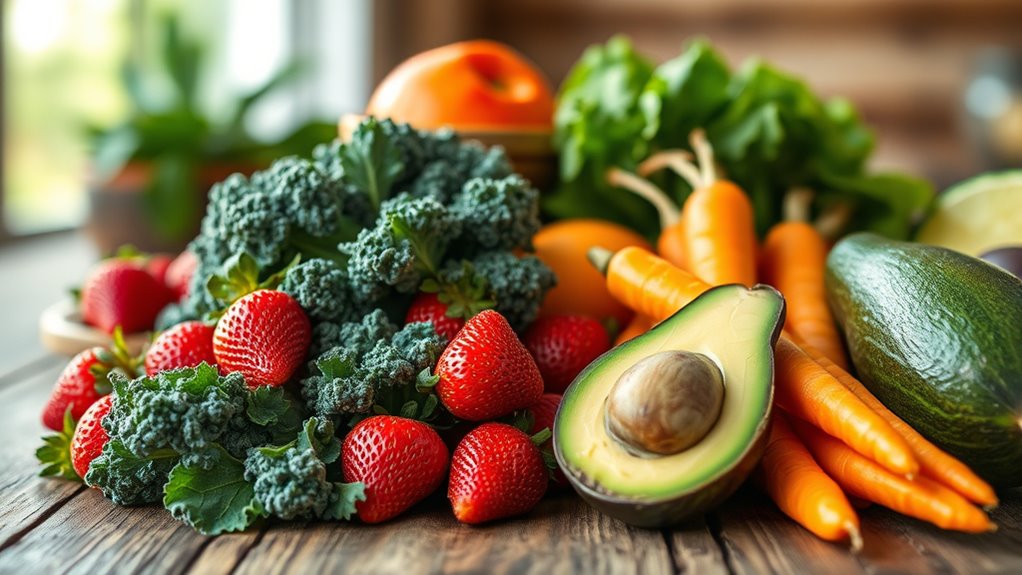
Achieving ideal skin health requires balancing nutrients to support its structural integrity, protection, and youthful appearance. When your diet includes the right mix, your skin can better repair itself, defend against environmental damage, and stay elastic. To help you achieve this balance, focus on:
- Incorporating vitamins A, C, D, and E for antioxidant protection and cell regeneration.
- Ensuring adequate intake of zinc, selenium, and copper to support skin structure and enzymatic functions.
- Consuming omega-3 and omega-6 fatty acids to maintain elasticity and strengthen the skin barrier.
- Eating polyphenol-rich foods like berries and greens to combat oxidative stress and inflammation.
Additionally, choosing skincare products with advanced air purification technology can help create a cleaner environment that supports overall skin health.
Balancing these nutrients helps maintain a resilient, radiant complexion and slows aging signs. Proper nutrition is key to *releasing* your skin’s full potential.
Practical Tips for Incorporating Skin-Healthy Foods Into Daily Meals
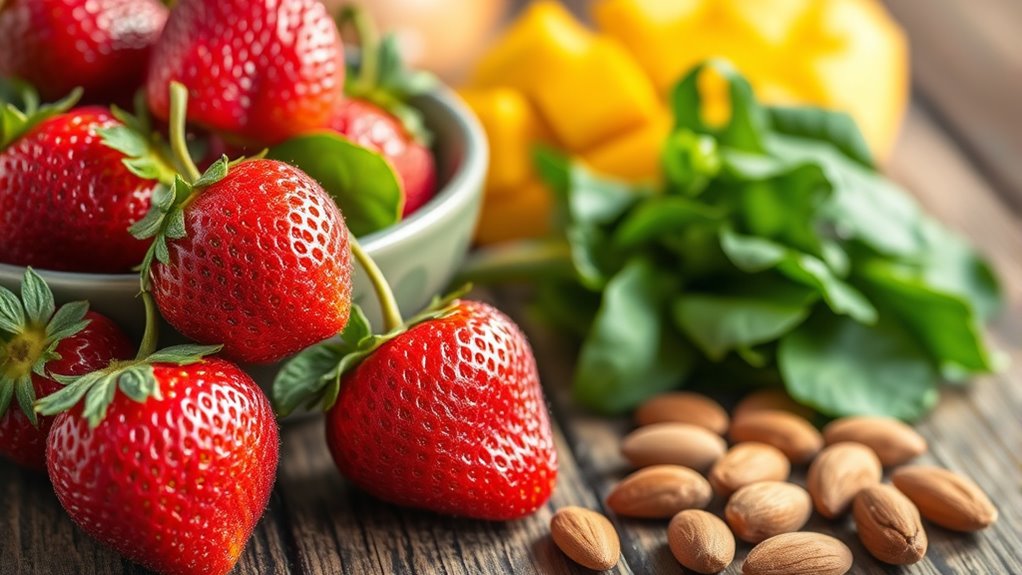
Incorporating skin-healthy foods into your daily meals can be simple and rewarding. Start by adding a handful of berries or leafy greens to your breakfast for antioxidants that combat oxidative stress. Include nuts, seeds, or avocado at lunch to boost healthy fats that improve skin elasticity. Incorporate colorful vegetables and lean proteins into your dinner to support collagen production and repair. Swap processed snacks for fresh fruit or veggie sticks to reduce inflammation. Use herbs like parsley or thyme to enhance flavor and nutrient intake. Drink plenty of water throughout the day to keep skin hydrated. Plan meals around whole grains, healthy fats, and colorful produce—these choices help you meet your skin’s nutritional needs effortlessly. Small changes can make a big difference over time. Additionally, choosing electric bikes for your commute can promote a more active lifestyle, indirectly benefiting your overall skin health by increasing circulation and reducing stress.
Frequently Asked Questions
How Do Specific Nutrients Influence Aging Signs in Skin?
You can slow aging signs by including key nutrients in your diet. Vitamins C and E protect against oxidative stress, reducing wrinkles and fine lines. Omega-3s boost elasticity, while vitamin D supports cell renewal. Protein provides collagen for firmness, and antioxidants fight free radicals. Staying hydrated also helps maintain skin plumpness. Prioritize fruits, vegetables, nuts, seeds, and healthy fats to keep your skin looking youthful.
Can Diet Alone Reverse Skin Aging or Damage?
Imagine your skin as a resilient garden, thriving with nourishing sunlight and water. While diet alone can’t fully erase aging or damage, it plays a crucial role in supporting skin renewal, elasticity, and protection. By consistently eating antioxidant-rich foods, healthy fats, and staying hydrated, you strengthen your skin from within. However, combining good nutrition with skincare and lifestyle habits maximizes your skin’s youthful glow and resilience over time.
Which Foods Are Richest in Skin-Protective Antioxidants?
You should focus on foods high in skin-protective antioxidants like blueberries, leafy greens, nuts, and seeds. Berries are rich in vitamin C and polyphenols, fighting free radicals. Leafy greens provide vitamins E and C, while nuts and seeds supply vitamin E and selenium. Incorporate these into your diet daily to shield your skin from oxidative stress, promote cell repair, and maintain a youthful, healthy glow.
How Does Hydration Impact Skin’s Appearance and Health?
Hydration keeps your skin plump, maintains its elasticity, and promotes a smooth, youthful appearance. It flushes out toxins, reduces dryness, and prevents dullness, making skin look radiant. Hydrated skin heals faster, resists environmental damage, and retains its barrier function. Consistently drinking enough water supports collagen production, minimizes fine lines, and enhances overall skin health, ensuring you look fresh, feel confident, and enjoy a glowing complexion every day.
Are Supplements Necessary if I Maintain a Balanced Diet?
If you eat a balanced diet rich in vitamins, minerals, healthy fats, and antioxidants, supplements may not be necessary for skin health. Your body can usually get what it needs from whole foods, supporting skin elasticity, hydration, and repair. However, if you have specific deficiencies or dietary restrictions, supplements can help fill those gaps. Always consult a healthcare professional before adding supplements to your routine.
Conclusion
By nourishing your body with a colorful palette of vitamins, healthy fats, and antioxidants, you’re planting the seeds for radiant, youthful skin. Think of your diet as the brushstroke that paints your skin’s true beauty, enhancing its natural glow from within. Embrace balanced, nutrient-rich foods daily, and watch as your skin blossoms like a vibrant garden, reflecting your inner health and energy in every luminous glow.