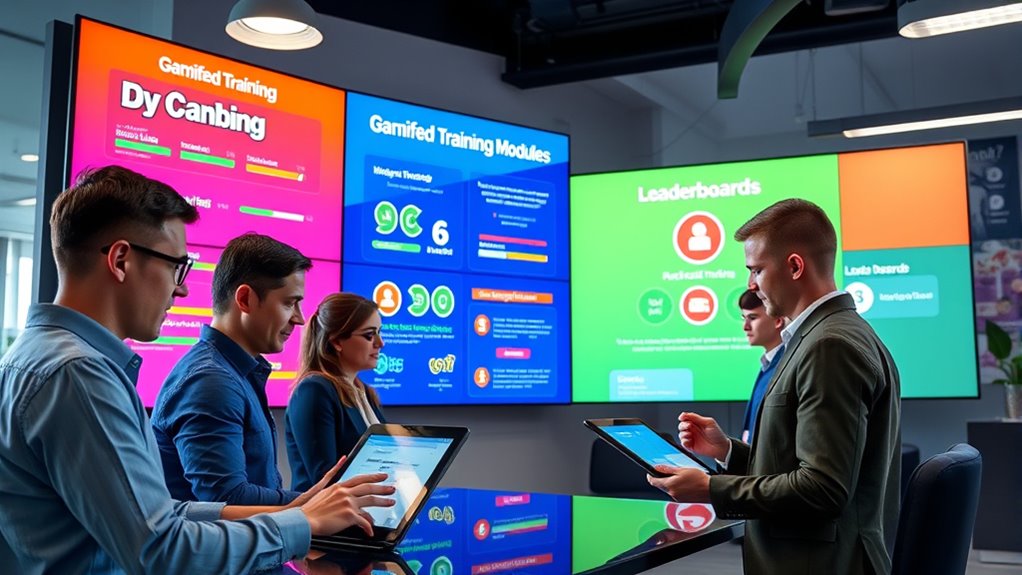

Gamification is the secret behind viral employee training programs because it uses reward systems like badges, points, and leaderboards to boost motivation and engagement. When you incorporate personalized incentives and real-time feedback, you create a dynamic learning environment that encourages participation and continuous improvement. By tracking engagement metrics, you can adjust content for better results and sustain interest. Keep exploring to discover how these strategies can transform your training initiatives.
Key Takeaways
- Reward systems like badges and leaderboards motivate employees and foster a culture of continuous improvement.
- Engagement metrics enable real-time content adjustments, increasing training relevance and effectiveness.
- Personalization through tangible and social rewards boosts motivation and caters to diverse learning styles.
- Data-driven insights help optimize training content, preventing boredom and aligning with employee interests.
- Gamification enhances knowledge retention, participation, and overall performance, transforming standard training into engaging experiences.
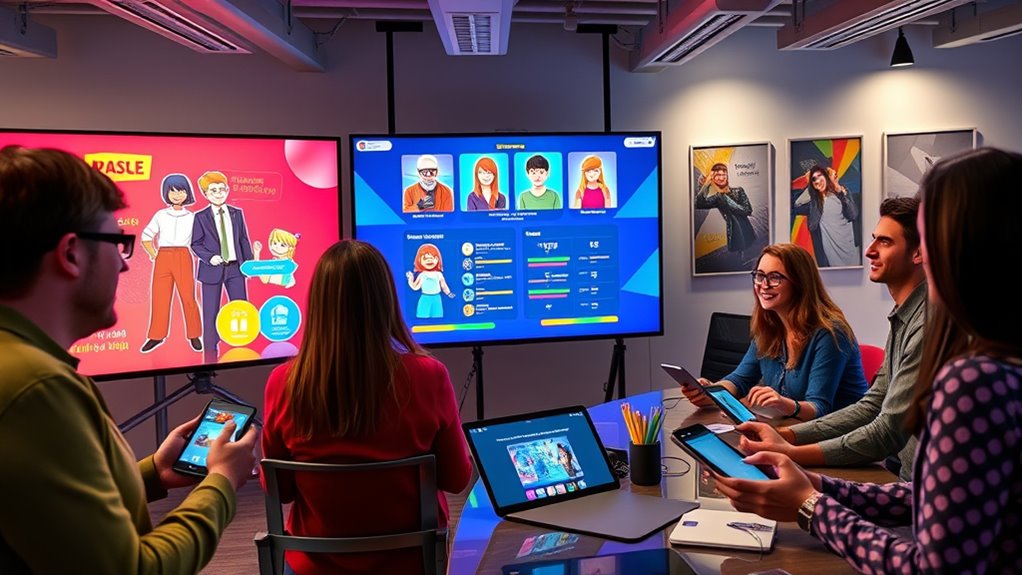
Gamification in employee training has become a powerful way to boost engagement and improve learning outcomes. When you integrate game-like elements into your training programs, you create an environment where employees are motivated to participate actively and retain information better. One of the key components that make gamification effective is the use of reward systems. These systems, which include badges, points, and leaderboards, give immediate recognition for accomplishments and foster a sense of achievement. By rewarding employees for completing modules or solving challenges, you tap into their natural desire for validation, encouraging continued effort and participation.
In addition to reward systems, tracking engagement metrics is crucial for tailoring your training initiatives. Engagement metrics provide concrete data on how employees interact with your gamified content—such as time spent on modules, frequency of login, and progress rates. Monitoring these metrics helps you identify which parts of your program resonate most and where learners might be struggling. For example, if you notice a drop in participation after certain activities, you can adjust the difficulty or presentation style to reignite interest. This real-time feedback loop ensures your training remains dynamic, relevant, and engaging.
When you design your gamified training with well-thought-out reward systems, you’re not just motivating employees to complete tasks; you’re fostering a culture of continuous improvement. Rewards can be tailored to match different learning styles and preferences, making the experience more personal and meaningful. For instance, some employees might be motivated by tangible rewards like gift cards, while others respond better to social recognition such as shout-outs or badges displayed on their profiles. Using engagement metrics, you can also set benchmarks and goals, encouraging healthy competition and collaboration among team members. This creates an environment where learners are enthusiastic to improve their scores and unlock new levels or achievements.
Furthermore, gamification’s success hinges on your ability to analyze engagement data and adapt accordingly. By regularly reviewing these metrics, you gain insights into the effectiveness of your reward systems and can optimize them for maximum motivation. This iterative process keeps your training fresh and aligned with employees’ interests, preventing burnout or boredom. Ultimately, integrating reward systems and engagement metrics into your gamified training not only makes learning enjoyable but also drives measurable results, such as increased knowledge retention, higher participation rates, and improved overall performance. It’s this strategic combination that turns a standard training program into a viral success story, engaging employees at every level and fostering a thriving learning culture.

Actionable Gamification: Beyond Points, Badges, and Leaderboards
As an affiliate, we earn on qualifying purchases.
As an affiliate, we earn on qualifying purchases.
Frequently Asked Questions
How Does Gamification Impact Employee Motivation Long-Term?
You might wonder how gamification affects your motivation over time. It boosts intrinsic motivation by making tasks more engaging and rewarding, encouraging you to participate actively. As you progress, you develop new skills and see your growth, which fuels your desire to keep improving. This ongoing skill development creates a positive cycle, helping you stay motivated long-term and making your work experience more satisfying and meaningful.
What Are Common Pitfalls When Implementing Gamified Training?
Did you know that 40% of gamified initiatives fail due to poor implementation? When you implement gamified training, avoid common pitfalls like rewards misalignment, where incentives don’t match goals, and technology barriers, which hinder smooth user experience. You must guarantee your rewards motivate desired behaviors and that your tech solutions are user-friendly. Otherwise, you’ll risk disengagement and limited training effectiveness, which can frustrate employees and waste resources.
Can Gamification Be Effective Across All Industries?
You might wonder if gamification works across all industries, and the answer depends on industry adaptability and cultural considerations. While it’s highly effective in sectors like tech and retail, some industries may face challenges due to strict regulations or conservative cultures. You should assess whether gamification aligns with your industry’s dynamics and cultural norms, ensuring it motivates employees without conflicting with core values or operational constraints.
How Is Employee Progress Measured in Gamified Programs?
You measure employee progress in gamified programs through performance metrics and progress tracking tools. These systems monitor your achievements, such as completed tasks, scores, or badges earned, giving you real-time feedback. By analyzing this data, you can see how well you’re advancing and identify areas for improvement. This approach keeps you motivated and focused, ensuring your development aligns with the training goals and company standards.
What Tools Are Best for Creating Gamified Training Modules?
You should look for tools that allow you to easily create interactive simulations and implement badge systems, as these features boost engagement. Platforms like Articulate Storyline, Adobe Captivate, and TalentLMS offer user-friendly interfaces for building immersive modules. They also support gamification elements, making it simple to incorporate interactive simulations and badge systems that motivate learners and track their progress effectively.
Actionable Gamification: Beyond Points, Badges, and Leaderboards
As an affiliate, we earn on qualifying purchases.
As an affiliate, we earn on qualifying purchases.
Conclusion
By now, you see how gamification transforms employee training into an engaging, motivating experience. It boosts participation, retention, and even morale. So, why settle for dull sessions when you can turn learning into a fun challenge? Embracing gamification isn’t just a trend—it’s your secret weapon to access your team’s full potential. Ready to level up your training programs and make learning something everyone looks forward to? The game is in your hands!
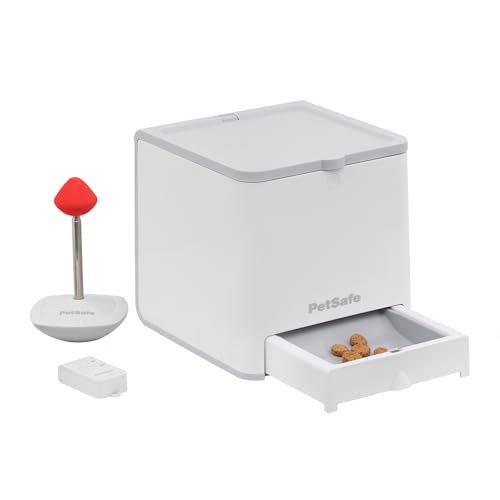
PetSafe Teach & Treat Remote Reward Trainer – Positive Reinforcement Trainer – Reward-Based Dog Training Tool – Lightweight – Battery Operated – Portable Pet Training Device
Remote-Controlled Training Made Easy: The PetSafe Teach and Treat Remote Reward Trainer offers reward-based dog training with instant…
As an affiliate, we earn on qualifying purchases.
As an affiliate, we earn on qualifying purchases.
gamified employee engagement platform
As an affiliate, we earn on qualifying purchases.
As an affiliate, we earn on qualifying purchases.