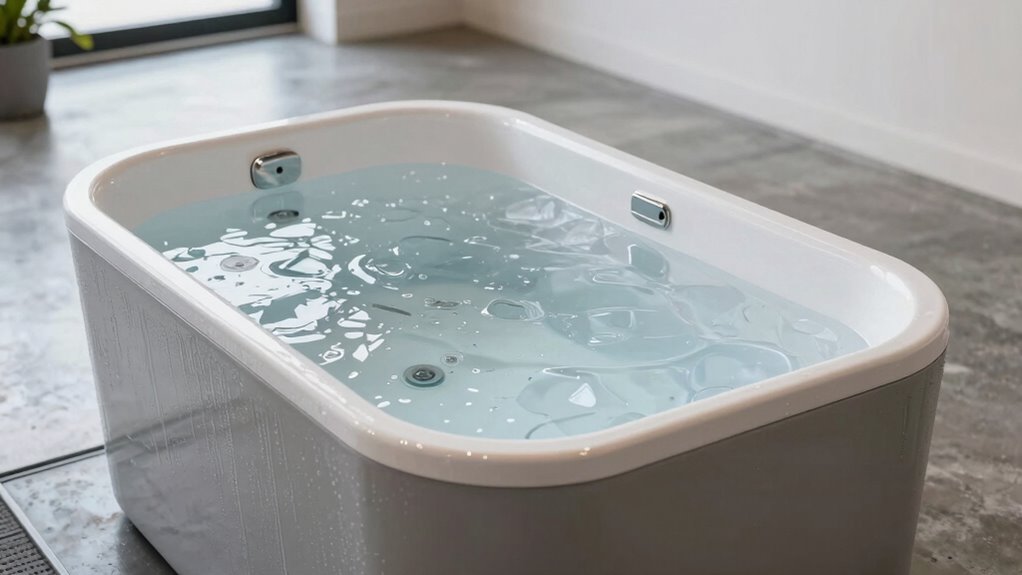

Ice bath tubs became a recovery trend because athletes and fitness enthusiasts noticed their benefits for speeding up recovery and reducing soreness. The science behind cold therapy, like constricting blood vessels to limit inflammation and then boosting circulation, supports these claims. As more trainers and sports figures endorse them, ice baths are now accessible and affordable for many. If you’re curious about how to use them safely and effectively, there’s more to discover.
Key Takeaways
- Increased scientific evidence highlighting cold therapy’s effectiveness in reducing inflammation and muscle soreness.
- Endorsements from athletes and trainers popularized ice baths as essential recovery tools.
- Growing presence of ice bath tubs in gyms and training centers made them more accessible.
- Media coverage and social media trends boosted awareness and adoption among casual exercisers.
- Cost-effective, easy-to-use recovery method suited for diverse fitness levels, fueling mainstream popularity.
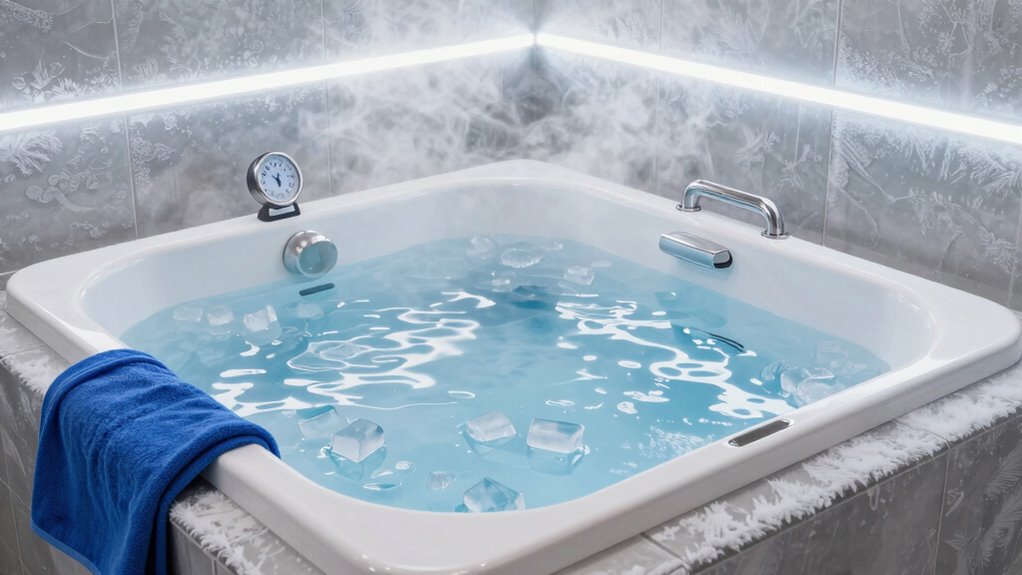
Ice bath tubs have become a popular recovery method among athletes and fitness enthusiasts alike. You might have noticed that more people are plunging into cold water after intense workouts, and there’s a good reason for it. This trend stems from the growing recognition of cold therapy as an effective way to speed up athletic recovery. The principle is simple: immersing your body in cold water reduces inflammation, eases muscle soreness, and helps you bounce back faster for your next workout. Over the past decade, many athletes and trainers have endorsed this method, making ice bath tubs a common sight in gyms and training facilities.
Ice bath tubs are now a go-to recovery tool for athletes and fitness fans.
The popularity of ice bath tubs is rooted in the science behind cold therapy. When you submerge yourself in cold water—often around 50 to 59 degrees Fahrenheit—you cause blood vessels to constrict. This process limits blood flow to your muscles, which can decrease swelling and inflammation caused by strenuous activity. Once you get out of the tub, your body warms up again, prompting blood vessels to dilate. This rush of fresh blood delivers nutrients and oxygen to your muscles, promoting quicker recovery. The cycle of constriction and dilation helps clear out metabolic waste products, reducing muscle fatigue and soreness. As a result, you’re able to recover more efficiently, ready to tackle your next workout with less discomfort.
You might find that incorporating ice bath tubs into your athletic recovery routine offers significant benefits. Cold therapy is not just about feeling cold; it’s about optimizing your recovery process so you can train harder and more consistently. Many athletes swear by their post-workout cold plunge, claiming it minimizes delayed onset muscle soreness (DOMS) and speeds up their return to peak performance. Coaches and sports scientists support this, noting that ice baths can help reduce inflammation and manage the micro-tears that happen during intense training sessions. For you, this means less downtime and a quicker return to your fitness goals. Additionally, the increasing availability of information on cold therapy has helped more people understand its benefits and proper application. Understanding the science behind cold therapy can guide you in using ice baths effectively and safely. Incorporating proper temperature and duration is essential to reap the full benefits and avoid potential cold-related risks. Moreover, understanding the body’s responses to cold can help you tailor your recovery routine for optimal results.
In recent years, the trend has gained momentum beyond professional sports. Fitness enthusiasts, weekend warriors, and even casual exercisers are adopting ice bath tubs as a regular part of their recovery routine. The appeal is clear: cold therapy is accessible, affordable, and effective. As you consider adding an ice bath to your regimen, remember that proper duration and temperature are key to maximizing benefits while avoiding cold-related risks. When used correctly, ice bath tubs can be a game-changer, helping your body recover faster and keep you moving toward your fitness ambitions.

Bubplay Ice Bath Cold Plunge Tub with Cover for Indoor Outdoor for Recovery, Cold Water Therapy, Athletes & Adults -105 Gallons, Black, XL
- Full-Body Cold Plunge: Suitable for most adults up to 6'7"
- Insulated for Temperature Retention: 6-layer insulation with durable outer fabric
- Sturdy Support System: Includes 8 stainless steel support rods
As an affiliate, we earn on qualifying purchases.
As an affiliate, we earn on qualifying purchases.
Frequently Asked Questions
Are Ice Bath Tubs Safe for Everyone?
Ice bath tubs aren’t safe for everyone, especially if you have heart issues or circulation problems. Cold exposure can provide great hydrotherapy benefits like reducing inflammation and speeding up recovery, but it’s important to listen to your body. If you’re considering cold exposure, consult a healthcare professional first. Always start with shorter sessions and gradually increase time to avoid hypothermia or other risks.
How Long Should I Stay in an Ice Bath?
You should stay in an ice bath for about 10 to 15 minutes to effectively reduce muscle soreness and inflammation. Going longer can increase the risk of hypothermia or frostbite, so it’s best to set a timer. Keep your focus on recovery, and listen to your body. If you start feeling numb or uncomfortable, it’s time to get out. This duration strikes a good balance for most people.
Can Ice Baths Help With Mental Health?
Imagine plunging into a frozen lake, awakening your mind like a lightning strike. Ice baths can boost your mental health by sharpening focus and reducing stress. They act as a reset button, helping you disconnect from worries. Combined with mindfulness practices, these chilly immersions calm your nervous system, fostering resilience. Embrace the cold to clear mental fog, making space for clarity and emotional balance in your life.
What Is the Ideal Temperature for an Ice Bath?
The ideal temperature for an ice bath is typically between 50 to 59°F (10 to 15°C). This range effectively triggers a cold shock response without risking hypothermia. You should focus on temperature regulation to guarantee safety and comfort. Stay in the ice bath for about 10 to 15 minutes, and always listen to your body. Proper temperature control maximizes recovery benefits while minimizing potential risks.
How Often Should Athletes Use Ice Bath Tubs?
You should use ice bath tubs about two to three times a week, especially after intense workouts. This frequency helps you experience the benefits of cold shock, which reduces inflammation and promotes muscle relaxation. However, avoid overdoing it, as too frequent exposure can lead to skin irritation or reduced muscle gains. Listen to your body, and make sure you’re allowing adequate recovery time between sessions for maximum results.
Conclusion
So, next time you dip into that icy abyss, remember you’re riding the wave of a cool revolution. Ice bath tubs have turned chilly dips into a powerful ritual, transforming soreness into strength. Like a frosty symphony for your muscles, they tune your body for peak performance. Embrace the chill, and let the icy waters be your secret weapon—cool, calm, and unstoppable on your journey to recovery.