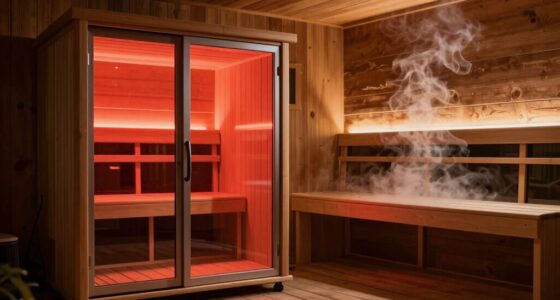
To cope with Seasonal Affective Disorder during dark months, try maximizing natural light exposure, or use a light therapy box for 20-30 minutes each morning. Incorporate outdoor activities, exercise regularly, and stick to consistent routines to boost your mood and energy. eating nutrient-rich foods and maintaining a healthy sleep schedule help stabilize your mood. Staying socially connected and seeking professional support when needed can also make a big difference—discover more ways to feel better during these months.
Key Takeaways
- Use daily light therapy with a 10,000 lux light box each morning to help regulate mood and circadian rhythms.
- Maximize natural sunlight exposure through outdoor activities like walking or outdoor yoga, especially in the morning.
- Maintain consistent routines, including regular sleep schedules and limiting screen time before bed, to support emotional stability.
- Incorporate nutrient-rich foods, especially omega-3s and complex carbs, to boost brain health and stabilize energy levels.
- Seek professional help if symptoms persist, including therapy or medication, and engage in social activities to reduce isolation.

CAMPROS CP Tent 8 Person Camping Tents, Weather Resistant Family Tent, 5 Large Mesh Windows, Double Layer, Divided Curtain for Separated Room, Portable with Carry Bag - Blue
ROOMY INTERIOR: Straight wall design with 72in center height create more space to stand up changing and move
As an affiliate, we earn on qualifying purchases.
Understanding the Symptoms and Causes of SAD

Understanding the symptoms and causes of Seasonal Affective Disorder (SAD) is essential for recognizing and managing this condition. You might notice persistent sadness, low energy, oversleeping, carbohydrate cravings, and weight gain during winter months. Conversely, summer-onset SAD can bring insomnia, poor appetite, weight loss, irritability, and agitation. The root causes relate to reduced sunlight, which disrupts your circadian rhythms and affects neurochemicals like serotonin and melatonin. Geographic location plays a role, with higher prevalence farther from the equator, especially in northern states like Alaska. These seasonal changes impact mood and energy levels, often triggering depressive episodes. Understanding these symptoms and causes helps you identify early signs and seek appropriate interventions to prevent worsening and improve your well-being during darker months.

UNP Camping Tent 10-Person-Family Tents, Parties, Music Festival Tent, Big, Easy Up, 5 Large Mesh Windows, Double Layer, 2 Room, Waterproof, Weather Resistant, 18ft x 9ft x78in (Dark Green)
Spacious for 10 Person: Unique 18 ft x 9 ft x78 in, well fitting 10 sleeping bags or...
As an affiliate, we earn on qualifying purchases.
The Role of Light Therapy in Managing Seasonal Mood Changes
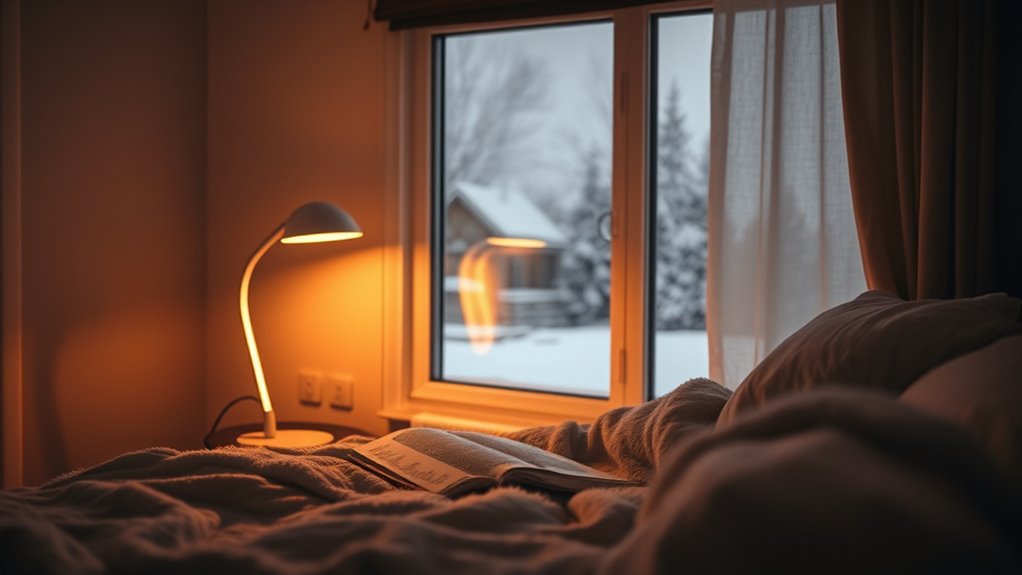
To make light therapy effective, you need to focus on the right light intensity, timing, and duration. Using a light box with the appropriate brightness and following a consistent schedule can help regulate your mood. Getting these details correct guarantees you maximize the benefits and reduce potential side effects. Additionally, choosing a device with a suitable color temperature can further enhance the therapy’s effectiveness.
Optimal Light Intensity
Ideal light intensity is crucial for effective light therapy in managing Seasonal Affective Disorder because the right level of brightness can considerably influence mood improvement. Typically, a light box emitting 10,000 lux is recommended, as this mimics natural sunlight and helps regulate circadian rhythms. Too low intensity may be ineffective, while excessively bright lights can cause discomfort or headaches. To optimize your treatment, consider the following guidelines:
| Light Intensity (Lux) | Effectiveness | Potential Side Effects |
|---|---|---|
| 2,500 – 5,000 | Limited benefit, less mood impact | Minimal discomfort |
| 5,000 – 10,000 | Effective for most users | Rare headaches, eye strain |
| 10,000 | Standard for SAD treatment | Rare side effects |
Adjusting intensity to your comfort level ensures maximum benefit with minimal risk.
Timing and Duration
Timing and duration are critical factors in the effectiveness of light therapy for managing seasonal mood changes. You should aim to start treatment before symptoms typically begin, usually in late fall or early winter, to help your body adjust to decreasing daylight. Consistency matters; most people find that 20 to 30 minutes of light therapy each morning provides ideal results. Keep your sessions at the same time daily, preferably within the first hour after waking, to synchronize your circadian rhythm. Avoid prolonging sessions unnecessarily, as longer exposure doesn’t necessarily increase benefits and may cause side effects. Adjust the timing and duration based on how you respond, and consult your healthcare provider to tailor your schedule for maximum mood stabilization. Understanding cookies can help you optimize your online experience while managing your treatment schedule effectively.
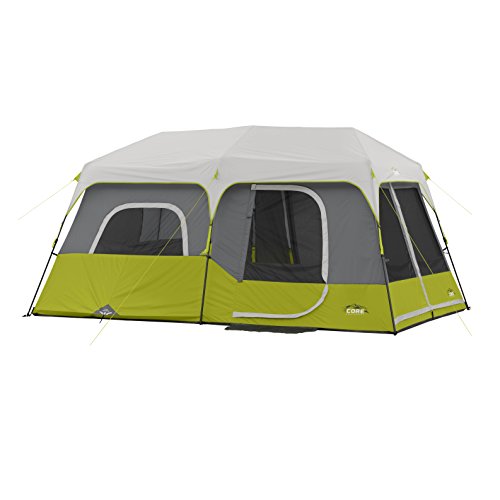
CORE 9 Person Instant Cabin Tent | Large Multi Room Family Pop Up Tent for 2 Minute Camp Setup | Included Storage Pockets for Camping Accessories
INSTANT POP UP TECHNOLOGY: Pre-attached poles lock into place for setup in 2 minutes or less
As an affiliate, we earn on qualifying purchases.
Incorporating Exercise and Outdoor Activities Into Your Routine

Incorporating exercise and outdoor activities into your routine can considerably boost your mood and help combat Seasonal Affective Disorder. Getting outside exposes you to natural light, which helps regulate your circadian rhythms and increases serotonin levels. To make the most of this, consider:
- Aim for at least 20-30 minutes of outdoor activity each day, ideally in the morning when light is strongest.
- Choose brisk walks, bike rides, or outdoor yoga to combine physical movement with sunlight exposure.
- Incorporate outdoor social activities, like meetups or group exercises, to enhance mood and reduce feelings of isolation.
- If you’re interested in customizing your vehicle for better performance or handling, exploring suspension upgrades can provide a smoother ride and improved stability during outdoor activities.
Even on cloudy days, outdoor light can be beneficial. Consistent outdoor activity boosts energy, improves sleep, and helps lift your overall mood during darker months.

FanttikOutdoor Zeta C6 Pro Camping Tent 6 Person Instant Cabin Tent Setup in 60 Seconds with Rainfly & Windproof Portable with Carry Bag for Family Camping & Hiking, Khaki
60 Seconds Set Up: You can set up the instant camping tent in under 60 seconds, thanks to...
As an affiliate, we earn on qualifying purchases.
Adjusting Your Diet to Support Mood and Energy Levels
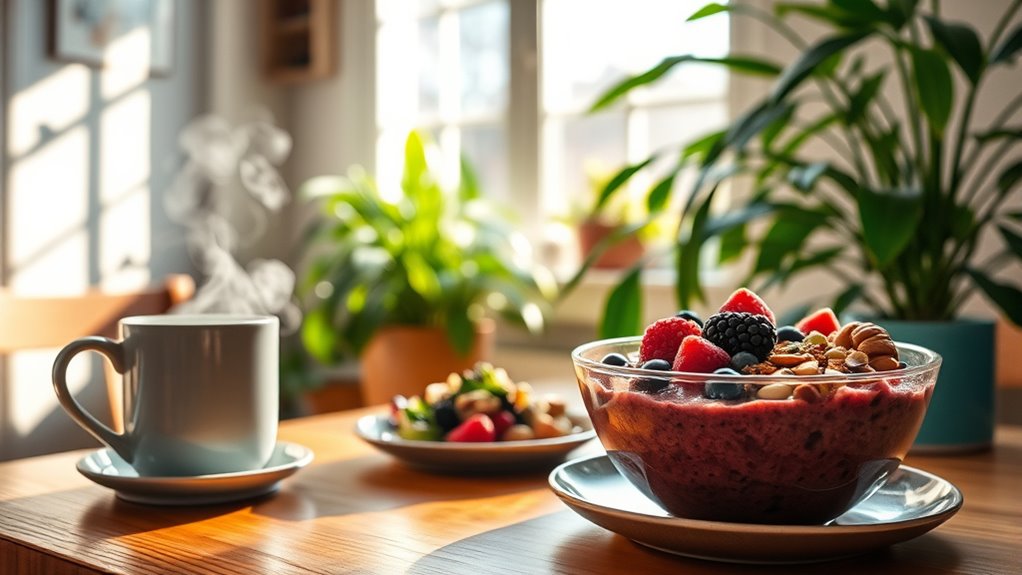
To support your mood and energy during darker months, focus on incorporating foods that boost your mental well-being. Managing your carbohydrate intake can help stabilize your mood and prevent energy crashes. Maintaining a balanced diet guarantees your body gets the nutrients it needs to keep you feeling steady and alert. Additionally, paying attention to sound design techniques in your environment, such as calming ambient sounds or gentle background music, can positively influence your emotional state and overall well-being.
Incorporate Mood-Boosting Foods
Adjusting your diet to include mood-boosting foods can make a significant difference in managing Seasonal Affective Disorder symptoms. Focus on nutrient-rich options that support brain health and stabilize your mood. Here are three key foods to prioritize:
- Omega-3 fatty acids found in fatty fish like salmon and mackerel, which help boost serotonin levels and reduce inflammation.
- Dark leafy greens such as spinach and kale, which are rich in folate, supporting mental clarity and mood regulation.
- Berries like blueberries and strawberries, packed with antioxidants that combat oxidative stress and promote overall well-being. Incorporating recycled products into your diet or lifestyle can also contribute to a more sustainable and environmentally friendly approach to wellness.
Incorporate these foods regularly into your meals to enhance your mood, increase energy, and help combat the winter blues effectively.
Manage Carbohydrate Intake
Managing your carbohydrate intake can play an essential role in stabilizing your mood and energy levels during seasonal changes. During darker months, craving carbs is common, but consuming too many refined carbs can cause blood sugar spikes and crashes, leading to mood swings and fatigue. Instead, focus on complex carbohydrates like whole grains, beans, and vegetables, which provide steady energy release. These foods help maintain stable blood sugar levels, supporting balanced mood and reducing irritability. Be mindful of portion sizes and avoid sugary snacks and white bread, which can exacerbate mood fluctuations. Pair carbohydrates with protein or healthy fats to further stabilize blood sugar. Incorporating beginners guides can help you identify suitable carbohydrate sources and plan balanced meals effectively. By adjusting your diet in this way, you can better manage energy dips and emotional lows often associated with SAD.
Maintain Balanced Nutrition
Maintaining balanced nutrition is essential for supporting your mood and energy, especially during seasonal changes. What you eat directly impacts your brain chemistry and overall vitality. To optimize your diet, focus on these three steps:
- Incorporate foods rich in omega-3 fatty acids like salmon, walnuts, and flaxseeds, which help boost serotonin levels.
- Eat plenty of fruits and vegetables to supply vital vitamins and antioxidants that combat oxidative stress and lift your mood.
- Limit processed foods and excess sugar, as they can cause mood swings and energy crashes.
- Being mindful of how automation and technology influence your daily routines can also help you develop healthier habits during darker months.
Building a Consistent Sleep Schedule for Better Circadian Regulation
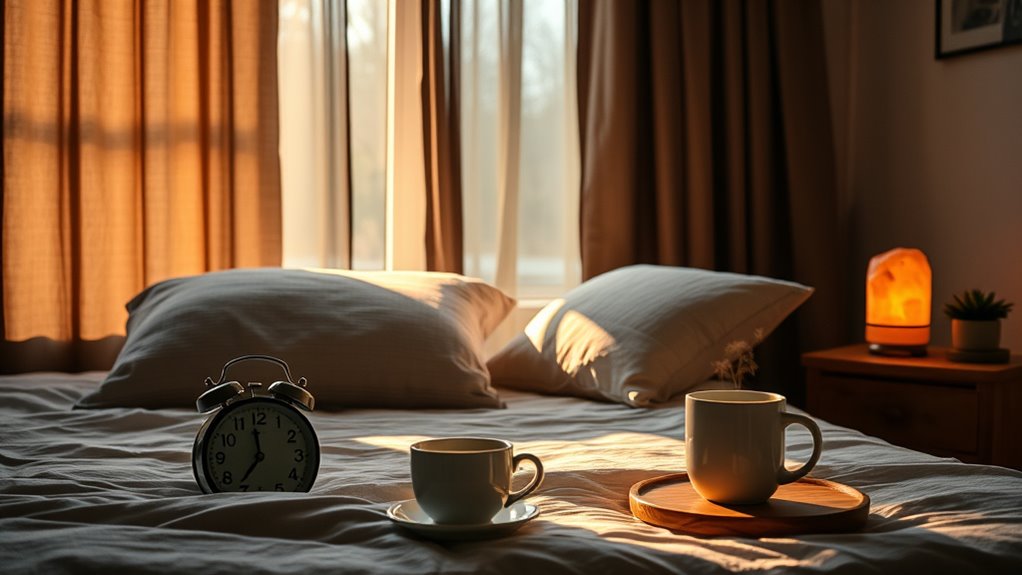
A consistent sleep schedule is essential for regulating your body’s internal clock, especially during seasonal changes when daylight hours vary. By going to bed and waking up at the same times each day, you help stabilize your circadian rhythms, which influence mood and energy. To support this, create a routine that sets a regular sleep-wake time, even on weekends. Limit screen time before bed, and avoid caffeine late in the day. Exposure to natural light in the morning can reinforce your schedule. Below is a simple visual guide:
| Action | Tip | Benefit |
|---|---|---|
| Set consistent bedtime | Go to bed at the same time nightly | Improves sleep quality |
| Wake up at the same time | Rise at the same hour daily | Stabilizes circadian rhythm |
| Limit evening screens | Turn off devices an hour before bed | Enhances melatonin production |
| Morning light exposure | Spend 15-30 mins outdoors | Boosts alertness and mood |
| Avoid naps late in the day | Keep naps short and early | Maintains sleep schedule |
Additionally, maintaining a consistent sleep schedule can help mitigate symptoms of Seasonal Affective Disorder by supporting overall circadian regulation.
Staying Socially Connected During Darker Months

Staying socially connected during the darker months can considerably lift your mood and help combat feelings of isolation associated with Seasonal Affective Disorder. When you engage with others, you create a support network that can boost your resilience. Here are three ways to stay connected:
Staying socially connected boosts your mood and helps fight Seasonal Affective Disorder.
- Schedule regular meetups or calls with friends and family, even if it’s virtual.
- Join local groups or clubs that align with your interests to foster new connections.
- Participate in community activities or volunteer opportunities to stay active socially.
- Remember that maintaining social interactions can also provide emotional warmth and distraction from negative thoughts. They also reinforce a sense of belonging, which is essential during the darker months when feelings of loneliness tend to increase. Prioritize these connections to help maintain your mental well-being.
Seeking Professional Support When Self-Help Strategies Aren’t Enough
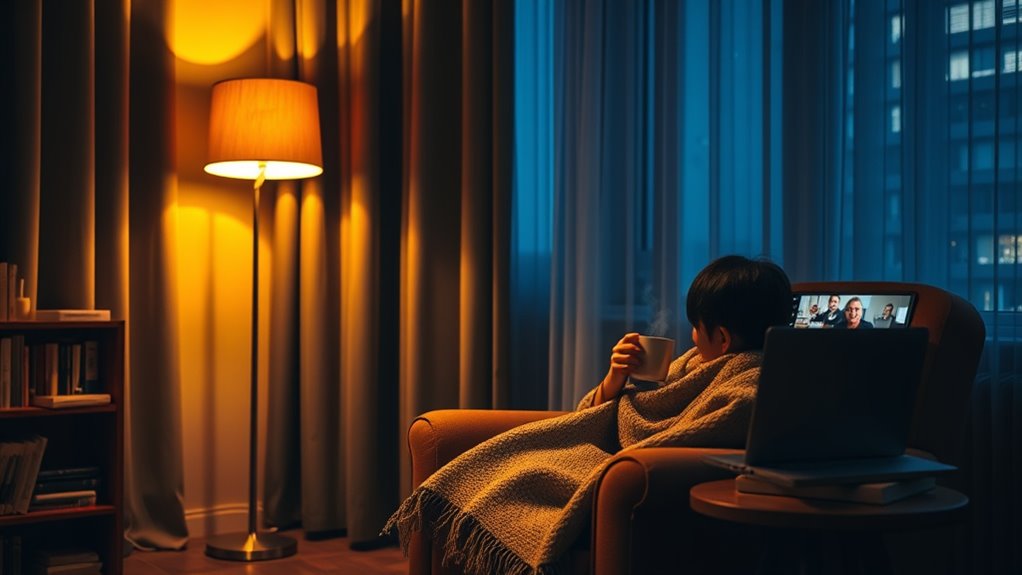
When self-help strategies like light therapy, exercise, and social engagement don’t relieve your SAD symptoms, seeking professional support becomes essential. A mental health professional can evaluate your condition and recommend tailored treatments, such as psychotherapy or medication. They can also help identify underlying issues contributing to your depression and develop a thorough plan. If you notice persistent symptoms like hopelessness, severe fatigue, or suicidal thoughts, don’t wait—reach out for help. Remember, professional support can markedly improve your quality of life and help you manage seasonal mood changes effectively. Engaging with holistic development approaches can complement professional treatment and foster overall well-being.
| Support Type | When to Seek Help | Benefits |
|---|---|---|
| Psychotherapy | If self-help doesn’t work after weeks | Long-term coping skills |
| Medication | Severe or persistent depression | Symptom relief and stabilization |
| Support Groups | Feelings of isolation persist | Emotional connection |
| Primary Care Provider | Sudden worsening of symptoms | Medical evaluation |
| Emergency Services | Suicidal thoughts or crisis | Immediate safety and intervention |
Frequently Asked Questions
Can Children and Teenagers Also Experience SAD Symptoms?
Yes, children and teenagers can experience sad symptoms related to seasonal changes. You might notice irritability, behavioral shifts, or difficulty concentrating in younger kids, while teens could show signs of withdrawal, low energy, or mood swings. These symptoms often coincide with shorter daylight hours and can impact daily activities. If you observe these changes, it’s important to encourage outdoor time, maintain routines, and seek professional help if symptoms persist or worsen.
How Long Does Light Therapy Typically Take to Improve Mood?
You’ll typically notice mood improvements from light therapy within one to two weeks. Notably, about 60% of people see some relief as early as a few days. To maximize benefits, use the light box for about 20-30 minutes daily, preferably in the morning. Consistency is key, so stick with your routine, and if you don’t see progress after a few weeks, consult your healthcare provider for adjustments.
Are There Specific Foods That Can Help Reduce SAD Symptoms?
Eating foods rich in omega-3 fatty acids, like salmon, mackerel, and walnuts, can help boost your mood and reduce SAD symptoms. Incorporate complex carbs such as whole grains, oats, and sweet potatoes to stabilize blood sugar levels and support serotonin production. Fruits like berries and bananas provide antioxidants and natural sugars that can lift your spirits. Staying hydrated and avoiding sugary processed foods also helps maintain energy and emotional balance during darker months.
What Are Signs That Indicate I Should See a Mental Health Professional?
Did you know that about 38% of Americans experience mood changes during winter? If you notice persistent sadness, low energy, significant sleep or appetite changes, or thoughts of hopelessness that last for weeks, it’s time to see a mental health professional. If your daily functioning, work, or relationships are suffering, or if you’re having thoughts of self-harm, seeking help promptly can make a vital difference.
Can Lifestyle Changes Completely Eliminate SAD Symptoms?
Lifestyle changes alone might not completely eliminate your sad symptoms, but they can substantially improve your mood and lessen severity. Regular outdoor activity, maintaining a consistent sleep schedule, and healthy eating support your mental health. However, if symptoms persist or worsen, you should seek professional help. Combining lifestyle adjustments with therapies like light therapy or counseling offers the best chance for managing SAD effectively and improving your overall well-being.
Conclusion
Remember, tackling seasonal affective disorder is like tending a garden—you need patience, care, and the right tools. By incorporating light therapy, staying active, nourishing your body, and maintaining connections, you can brighten even the darkest months. Don’t hesitate to seek professional support if needed; you’re not alone in this. With these strategies, you can turn the winter blues into a season of growth and resilience. Your brighter days are just around the corner.