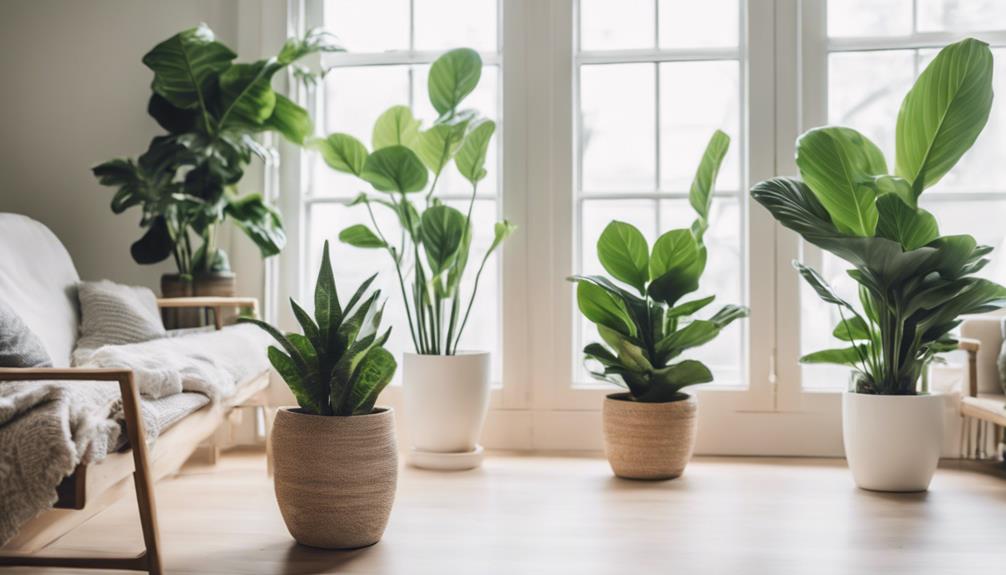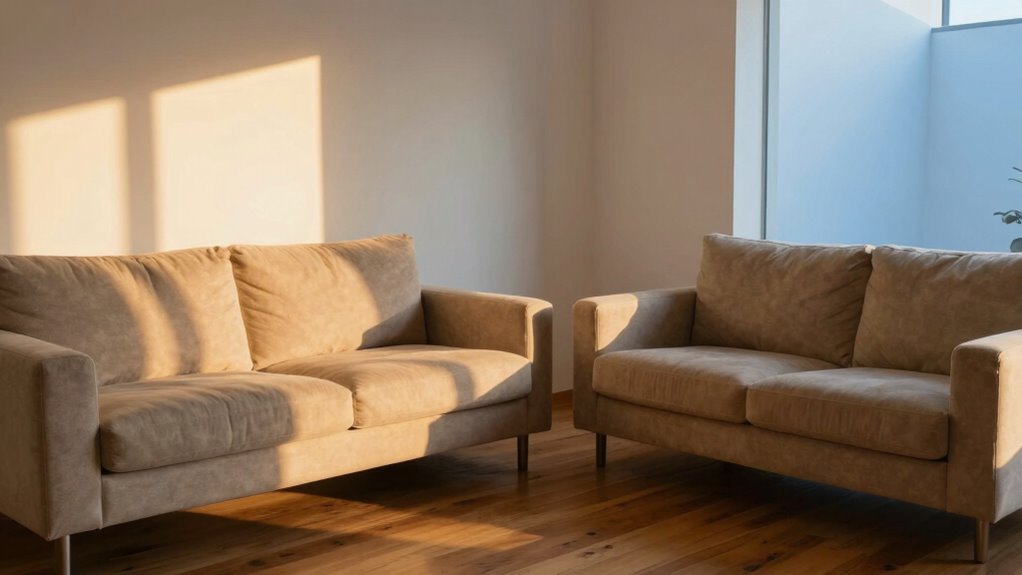

The color temperature of your lighting instantly changes how a room feels. Warm tones (2700K-3000K) create a cozy, inviting atmosphere perfect for relaxing or socializing. Cooler tones (4000K-6500K) make spaces feel bright, energizing, and focused, ideal for work or activities requiring alertness. The right choice of lighting influences your mood and environment shape. Keep exploring to discover how you can better balance your space’s ambiance with the perfect light.
Open a free Amazon Business account
Business pricing, bulk buying and tax-exempt orders.
As an affiliate, we earn on qualifying purchases.
Key Takeaways
- Warm lighting (2700K-3000K) creates cozy, inviting atmospheres, promoting relaxation and intimacy.
- Cooler lighting (4000K-6500K) produces energetic, focused environments suitable for work and task areas.
- Adjusting color temperature influences emotional responses, making spaces feel more calming or stimulating.
- Warm tones enhance comfort in social or leisure spaces, while cool tones improve visibility and productivity.
- Flexibility in lighting allows customization of room ambiance for different activities and times of day.
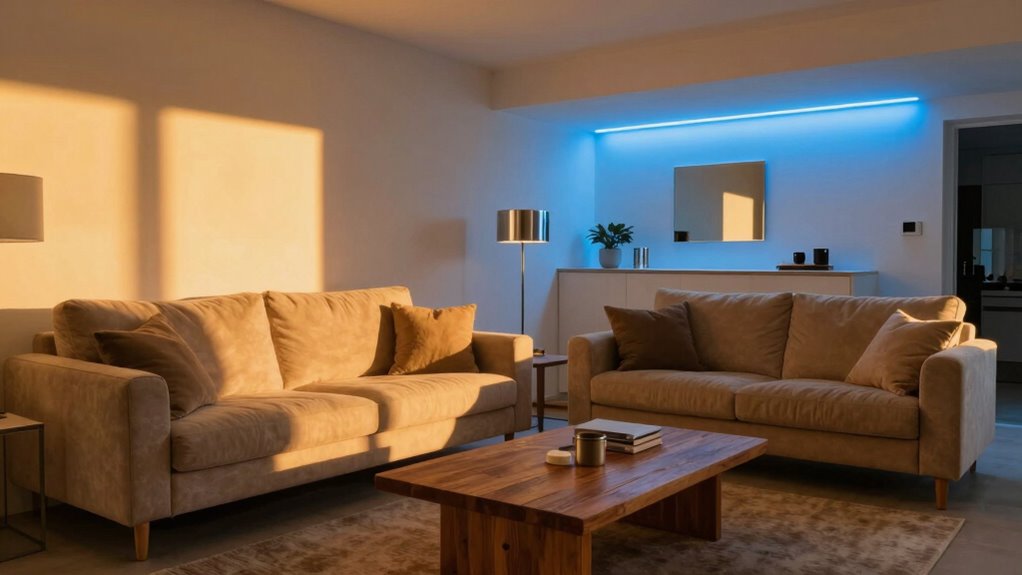
Have you ever wondered how the color temperature of your lighting can transform the atmosphere of a room? It’s a subtle change that has a powerful impact on how you perceive your space. The lighting ambiance you choose can make a room feel warm and cozy or cool and modern, directly influencing the mood you experience. When you select warmer tones, typically in the range of 2700K to 3000K, you create an inviting environment that encourages relaxation and intimacy. These lights mimic the glow of sunset or candlelight, making your space feel comfortable and welcoming. This is especially effective in living rooms, bedrooms, or areas where you want to foster a sense of calm and connection.
Warm lighting creates cozy, inviting spaces perfect for relaxation and connection.
On the other hand, cooler color temperatures, usually between 4000K and 6500K, produce a crisp, energizing light. It’s similar to daylight, which helps to boost alertness and focus. If you’re working in a home office or kitchen, cooler lighting can enhance visibility and clarity, making tasks easier and more efficient. The mood influence of cooler lights is more invigorating, often associated with productivity and alertness. This type of lighting is also used in commercial spaces to create a clean, professional atmosphere. Understanding color temperature helps you choose the right lighting for different spaces and activities. Additionally, understanding the impact on mood can guide you in creating environments that support specific activities or emotional states. Knowing the effect on productivity can help you optimize your workspace for better focus and efficiency.
Your choice of color temperature doesn’t just alter how your room looks; it influences how you feel while in it. Warm lighting can make a space feel more intimate and soothing, perfect for unwinding after a long day. Conversely, cooler lighting can energize you, making it easier to concentrate and stay alert. The key is understanding how each setting affects the overall mood. For example, in a dining area, warm lighting enhances the feeling of closeness and comfort, encouraging conversation. In a bathroom or workspace, cooler lighting helps you see details clearly, supporting functionality without sacrificing style.
The right lighting ambiance balances both form and function, aligning with what you want to feel in your space. You might opt for adjustable fixtures or smart bulbs that let you switch between warm and cool light depending on the moment. This flexibility lets you tailor your environment to different activities or times of day, maximizing your comfort and productivity. Ultimately, understanding how color temperature influences mood and atmosphere empowers you to create a space that’s perfectly suited to your needs, making your room not just visually appealing but emotionally resonant.
adjustable color temperature LED bulbs
As an affiliate, we earn on qualifying purchases.
As an affiliate, we earn on qualifying purchases.
Frequently Asked Questions
How Does Color Temperature Affect Energy Efficiency?
You’ll find that warmer color temperatures often use energy-efficient bulbs that last longer, improving light bulb longevity. Cooler temperatures, especially with LED options, tend to be more energy-efficient overall, reducing your environmental impact. By choosing the right color temperature, you can lower energy consumption, save on electricity bills, and contribute to environmental sustainability, all while maintaining the desired ambiance in your space.
Can Changing Color Temperature Influence Mood Over Time?
Yes, changing color temperature can influence your mood over time. Cooler temperatures create a sense of alertness, promoting focus and energy, while warmer temperatures foster relaxation and comfort. By adjusting lighting to suit your activities, you enhance mood and visual comfort, making your space more inviting. Consistent lighting changes can positively impact your emotional well-being, helping you feel more balanced and at ease in your environment.
What Color Temperature Is Best for Task Lighting?
For task lighting, a color temperature around 4000K to 5000K works best. It enhances color perception, helping you see details clearly without straining your eyes. This range provides a neutral, crisp light that supports productivity and accuracy. Your aesthetic choices matter too—if you prefer a warmer look, opt for 3000K, but for focus and precision, stick with the cooler tones.
How Do Different Bulbs Compare in Color Temperature Accuracy?
Think of bulbs as artists, each with their own palette of color temperature accuracy. LEDs generally provide the best color perception, mimicking natural daylight more precisely, while incandescent bulbs offer warmer tones but less consistency. Fluorescent bulbs may vary, affecting your perception of colors. Additionally, consider bulb longevity; LEDs last longer and maintain color accuracy over time, making them a smart choice for consistent, true-to-life lighting.
Does the Size of a Room Impact Ideal Color Temperature Choice?
Yes, room size impacts your ideal color temperature choice. In larger rooms, you need a warmer or neutral light to create a cozy, inviting ambiance and maintain lighting balance. Smaller rooms benefit from cooler temperatures, which help brighten the space and make it feel more open. So, consider your room size carefully to select a color temperature that enhances comfort and guarantees a balanced, well-lit environment.
Conclusion
So, next time you’re redecorating or swapping out bulbs, remember how color temperature can totally change your room’s vibe. Whether you want a cozy, warm glow or a crisp, energizing feel, choosing the right light makes all the difference. It’s like having a secret weapon—your very own Thomas Edison’s lamp—at your fingertips. Don’t underestimate the power of light; it’s the magic wand that turns a simple space into your perfect haven.
Flea & tick season Picks
flea and tick prevention
As an affiliate, we earn on qualifying purchases.