

Natural light is essential for your mental and physical health, helping to boost mood, improve sleep, and support crucial functions like Vitamin D production. Exposure to natural light increases serotonin, which can elevate your mood and mental clarity. It also regulates your internal clock, making it easier to fall asleep and feel energized. Ignoring natural light can lead to fatigue, mood disorders, or sleep issues. Discover how embracing more sunlight can benefit your well-being in ways you might not have realized.

Get travel and outdoor gear delivered free — and shop member deals
- Fast, free delivery on millions of items
- Access to Prime Big Deal Days deals on October 6–7
- Prime Video, Amazon Music and more included
Key Takeaways
- Natural light boosts mood by increasing serotonin, helping prevent depression and enhance mental clarity.
- Exposure to sunlight regulates circadian rhythms, improving sleep quality and overall energy levels.
- Sunlight enables the body to produce Vitamin D, essential for bone health and immune function.
- Regular natural light exposure supports long-term health, reducing sleep disorders and promoting vitality.
- Incorporating sunlight into daily routines encourages sustainable living and benefits environmental well-being.
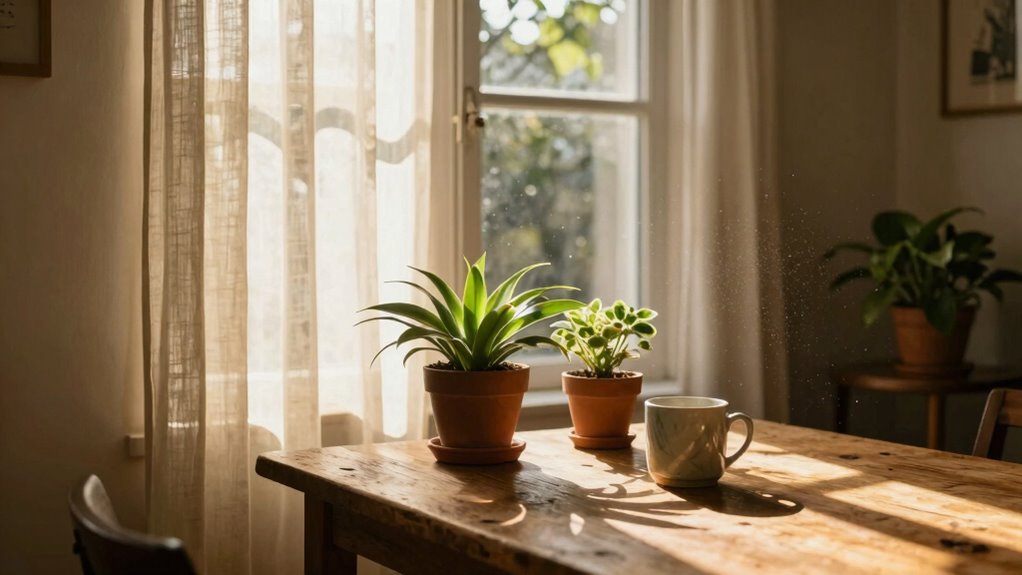
Natural light isn’t just a pleasant addition to your space; it plays an essential role in your overall well-being and productivity. When you’re exposed to sunlight, your body responds in ways that improve both your physical health and mental clarity. One of the key benefits is sunlight therapy, which has been used for decades to treat seasonal affective disorder and boost mood. The natural light triggers your brain to produce serotonin, helping you feel more alert and positive. Without enough exposure, you might notice feelings of fatigue, irritability, or even depression. That’s why making a conscious effort to soak up natural light during the day can considerably improve your mental health. Additionally, natural light helps regulate your body’s internal clock, known as the circadian rhythm, which is essential for maintaining overall health and preventing sleep disorders.
Natural light boosts mood, enhances mental clarity, and supports overall well-being through increased serotonin production.
Another crucial aspect of natural light is its role in Vitamin D synthesis. When sunlight hits your skin, it prompts your body to produce this essential nutrient, which is indispensable for bone health, immune function, and overall vigor. Many people, especially those living in northern regions or working indoors most of the day, don’t get enough sunlight to produce adequate Vitamin D. This deficiency can lead to weakened bones, increased susceptibility to illness, and even mood disorders. By simply spending more time outdoors or near bright windows, you help your body generate the Vitamin D it needs to function properly. Proper levels of Vitamin D also support your energy levels and help regulate your sleep-wake cycle, making you feel more rested and alert throughout the day.
Furthermore, natural light influences your circadian rhythm, which governs your sleep patterns. When you’re exposed to daylight, especially in the morning, your body recognizes it and adjusts accordingly, helping you fall asleep more easily at night. Conversely, lack of natural light can throw your internal clock off balance, leading to sleep disturbances and daytime drowsiness. Incorporating more sunlight into your daily routine can improve your sleep quality and overall energy levels. It’s not just about feeling good in the moment; it’s about supporting your long-term health. Recognizing its importance and making an effort to get more sunlight isn’t just a lifestyle choice—it’s an indispensable step toward better health and a more productive, balanced life. Understanding the health benefits of natural light can also inspire sustainable living practices that support biodiversity.
As an affiliate, we earn on qualifying purchases.
Frequently Asked Questions
How Does Natural Light Impact Indoor Air Quality?
Natural light improves indoor air quality by boosting air circulation and helping indoor plants thrive, which naturally filter toxins. When you let sunlight in, you encourage better airflow, reducing stale air buildup. The healthier environment supports your well-being, and lush indoor plants benefit from the light, actively cleaning the air. So, opening your blinds isn’t just about brightness—it’s a simple way to improve your indoor air quality naturally.
Can Natural Light Improve Mental Health?
Sunshine therapy often feels like a simple remedy, yet it profoundly boosts your mental health. Natural light stimulates serotonin production, enhancing your mood and reducing depression. While dark, enclosed spaces can foster gloom, exposure to daylight promotes clarity and calmness. By prioritizing natural light, you harness mood enhancement, making each sunny moment a powerful tool for mental well-being. Your brain responds positively, proving that sunlight truly matters more than you might realize.
What Are the Best Ways to Maximize Natural Light in a Home?
You can maximize natural light by choosing decorative window treatments like sheer curtains or blinds that allow sunlight to filter in. Consider installing a skylight to bring in more daylight, especially in darker rooms. Keep windows clean and unobstructed, and use mirrors strategically to reflect light throughout your space. These simple steps will brighten your home, boost your mood, and make the most of natural sunlight every day.
Does Natural Light Affect Energy Consumption?
Imagine sunlight exposure as a natural power source fueling your home’s energy efficiency. When you optimize natural light, you reduce reliance on artificial lighting and heating, cutting energy consumption considerably. This harnesses the sun’s energy, symbolizing a sustainable, cost-saving cycle. By maximizing daylight, you not only brighten your space but also lower your utility bills, making natural light an essential, eco-friendly asset for energy-conscious living.
How Does Natural Light Influence Sleep Patterns?
Natural light profoundly influences your sleep patterns by regulating your circadian rhythm. When you’re exposed to sunlight during the day, it helps keep your internal clock on track, promoting healthy sleep-wake cycles. This exposure also boosts melatonin production at night, making it easier to fall asleep and stay asleep. Without enough natural light, your circadian rhythm can become disrupted, leading to poor sleep quality and daytime fatigue.
Conclusion
So, next time you’re tempted to keep the curtains closed, remember that natural light isn’t just a luxury — it’s an essential part of your well-being. Like the first rays of dawn in a forgotten city, sunlight awakens your mind and body, reminding you of a simpler time when life moved with the sun. Don’t let the modern hustle blind you; embrace the light and let it renew your spirit, just as it always has.
Fall Picks
fall essentials
As an affiliate, we earn on qualifying purchases.