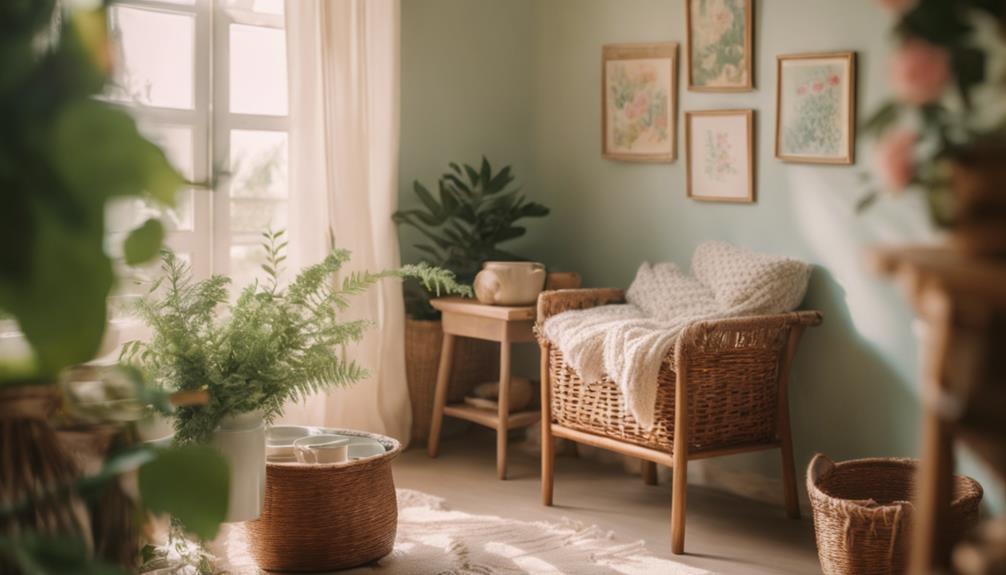
Your ceiling is the fifth wall many overlook, but it has the power to transform your space dramatically. By adding bold colors, textured finishes, or statement lighting fixtures, you can create a striking focal point. Balancing these elements ensures the ceiling stands out without overwhelming the room’s harmony. To discover simple ideas that make your ceiling a stunning feature, keep exploring how to turn this often forgotten element into your design highlight.
Listen free for 30 days with Audible
Thousands of audiobooks and originals — cancel anytime.
As an affiliate, we earn on qualifying purchases.
Key Takeaways
- The ceiling is the “fifth wall” and can be transformed into a striking design element.
- Using bold colors, patterns, and textured finishes elevates the ceiling’s visual impact.
- Strategic lighting accents like chandeliers and LED strips emphasize the ceiling’s features.
- Balancing bold design choices ensures the ceiling enhances rather than overpowers the room.
- Thoughtful decoration of the ceiling adds personality, depth, and a cohesive aesthetic to your space.
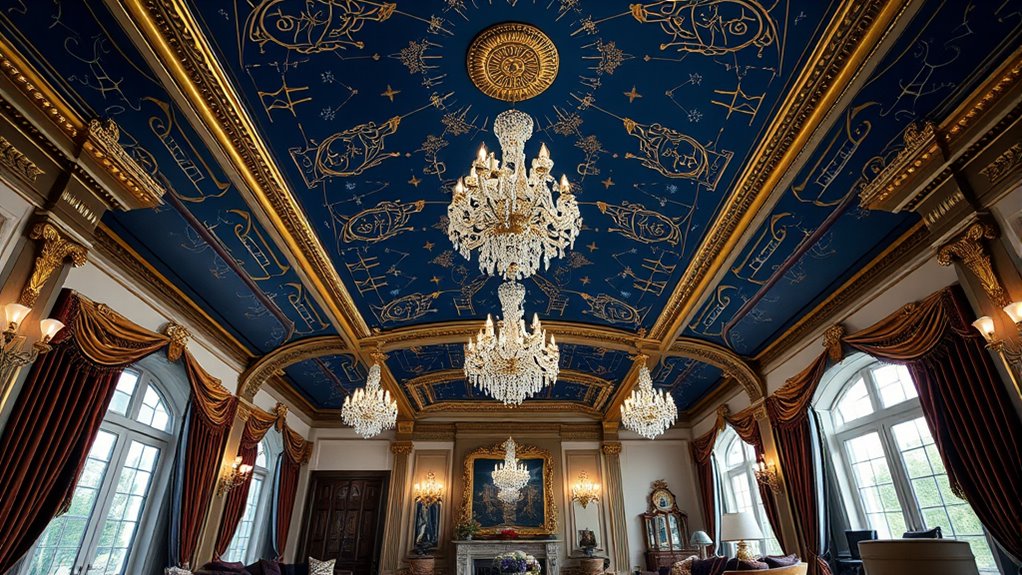
Have you ever wondered how to transform a room from ordinary to extraordinary? The answer might just lie above your head—in the ceiling. Often overlooked, the ceiling is the fifth wall of any space, and giving it the right attention can dramatically elevate your interior design. Statement ceilings are a bold way to add personality and style, turning a plain ceiling into a mesmerizing focal point. Whether you want to create a dramatic effect or a subtle enhancement, the key is to think beyond traditional white paint and incorporate elements like lighting accents and color contrasts to make your ceiling truly stand out.
Lighting accents are a powerful tool in this transformation. By installing statement lighting fixtures or clever recessed lighting, you draw the eye upwards and add depth to the room. Consider pendant lights that hang low, chandeliers with intricate designs, or LED strip lights hidden along the edges. These lighting accents don’t just illuminate; they set the mood and highlight your ceiling’s unique features. When combined with color contrasts, lighting can create dramatic shadows and highlights that emphasize textures or patterns. For example, a ceiling painted in a deep, moody hue paired with warm lighting accents can produce a cozy, intimate ambiance. Conversely, bright white ceilings with colorful lighting accents can make a space feel lively and modern. The goal is to play with contrasts—using light and dark tones, warm and cool hues—to give your ceiling a multidimensional effect that captures attention without overwhelming the room.
Color contrasts are the backbone of a statement ceiling. Instead of sticking with the traditional white, consider bold colors like navy, emerald, or even black for a sophisticated touch. These dark shades work particularly well in rooms with ample natural light or high ceilings, adding a sense of depth and luxury. Alternatively, opting for a contrasting color palette—such as a soft pastel ceiling against darker walls—can create a striking visual boundary that draws the eye upward. You can also experiment with patterns, stenciling, or textured finishes in contrasting shades to add further visual interest. When combined with strategic lighting accents, these color contrasts become even more impactful, transforming your ceiling into a visual masterpiece that complements the overall room design. Additionally, incorporating textured finishes can add a tactile layer that enhances the visual appeal and makes your ceiling stand out even more.
The trick is to balance boldness with harmony. You want your statement ceiling to stand out, but not to overpower the space. Think about the mood you want to set and choose colors and lighting accents accordingly. When you pay attention to these details, your ceiling ceases to be just a structural element and becomes a true statement piece. Remember, the right combination of lighting accents and color contrasts can make your ceiling the unexpected highlight that elevates your entire room from the mundane to the extraordinary.
statement ceiling lighting fixtures
As an affiliate, we earn on qualifying purchases.
As an affiliate, we earn on qualifying purchases.
Frequently Asked Questions
How Do I Choose the Right Statement Ceiling Design for My Space?
When choosing a statement ceiling design, consider your room’s ceiling height and architectural style. If your ceiling is high, opt for bold patterns or dramatic colors to make it stand out. For rooms with a specific style, like modern or traditional, match the ceiling design to enhance that look. Think about how the ceiling complements your space’s overall vibe and choose a statement that adds personality without overwhelming the room.
What Are the Best Materials for Creating a Statement Ceiling?
Your quest to find the best statement ceiling materials is like hunting for hidden treasure! Faux finishes and textured surfaces are perfect choices, adding depth and drama to your space. Faux finishes mimic luxurious materials like marble or wood, while textured surfaces create visual interest and tactile appeal. Both options transform your ceiling into a stunning focal point, elevating your decor and making your room unforgettable.
How Can I Incorporate Lighting Into a Statement Ceiling?
To incorporate lighting into a statement ceiling, start with layered lighting options like recessed lights, chandeliers, or LED strip lights to highlight features like ceiling murals or textured finishes. Use dimmers to control ambiance and accentuate details. Highlight murals with focused spotlights, and add soft ambient light for textured finishes. This approach enhances your ceiling’s visual impact, making it a stunning focal point that elevates your entire room.
Are Statement Ceilings Suitable for Small or Low-Ceiling Rooms?
It’s ironic, isn’t it? You might think small or low-ceiling rooms aren’t the place for statement ceilings, but with proper scale considerations, they can actually enhance visual balance. A well-chosen design draws the eye upward, making the space feel bigger. Just avoid overwhelming the room—think subtle patterns or light colors—so your statement ceiling adds charm without crushing the space’s proportions.
What Are Common Mistakes to Avoid When Decorating a Statement Ceiling?
When decorating a statement ceiling, avoid overusing patterns that can feel overwhelming or distracting. Keep your design balanced by maintaining harmony with the rest of the room; neglecting this can make the space feel disjointed. Focus on subtle accents or complementary colors to enhance the ceiling without overpowering the overall aesthetic. Remember, a well-thought-out ceiling design adds interest without creating visual chaos or disrupting room harmony.
Conclusion
Don’t overlook your ceiling—it’s the fifth wall waiting to be styled. Studies show that rooms with thoughtfully decorated ceilings feel 30% more inviting and spacious. Adding a bold color or eye-catching pattern can transform your space instantly. So, next time you’re redecorating, remember that your ceiling deserves just as much attention as your walls and floors. Elevate your room’s style and make a statement you won’t forget—because sometimes, the ceiling really is the final touch.
Labor Day sales Picks
labor day deals
As an affiliate, we earn on qualifying purchases.