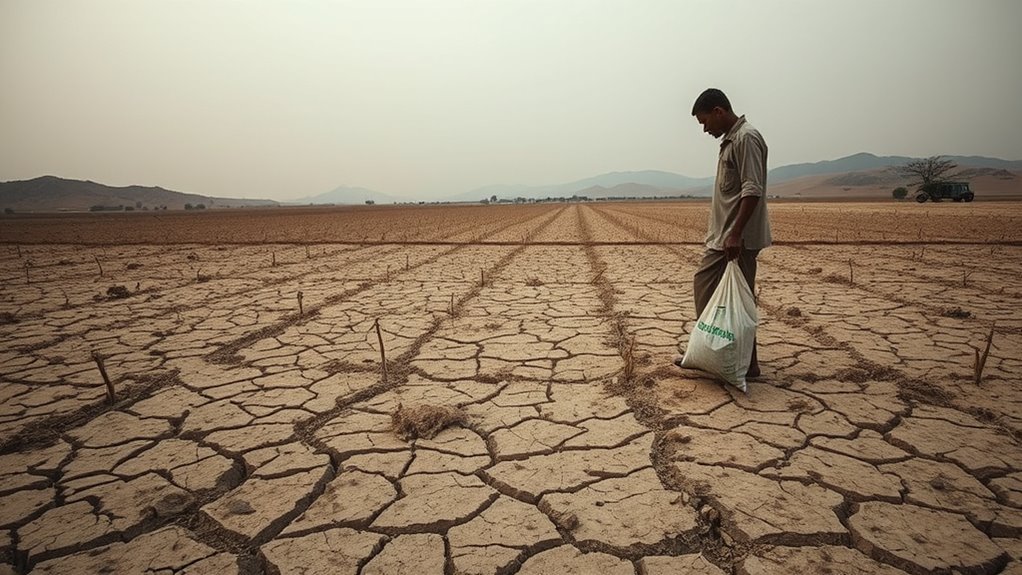

A global fertilizer shortage is threatening crop yields and endangering food security worldwide. Rising demand, geopolitical tensions, trade restrictions, and supply disruptions push prices higher and limit availability. Farmers face increased costs and uncertainty, which can reduce planting and harvests. While innovations and sustainable practices can help, ongoing market volatility may worsen food shortages. To understand how these factors interact and what solutions may emerge, keep exploring the complexities behind this critical issue.
Key Takeaways
- Global fertilizer shortages can reduce crop yields, threatening food supply and increasing hunger worldwide.
- Price volatility and supply disruptions limit farmers’ ability to apply fertilizers, impacting food production.
- Geopolitical tensions and trade restrictions further constrain fertilizer availability, risking regional food security.
- Rising fertilizer costs squeeze farm margins, potentially causing delayed planting and decreased food output.
- Sustainable farming practices and technological innovations are vital to mitigating shortages and ensuring food security.
Rising Global Fertilizer Demand and Consumption Trends
Global fertilizer demand is trending upward, driven by increasing agricultural productivity needs and ongoing capacity expansions. You’ll notice that total global fertilizer consumption is projected to reach 205 million metric tons in FY 2025, surpassing the previous record of 201.5 million tons in FY 2020. After a two-year decline, consumption is expected to grow by 4.3% in FY 2023, 2.5% in FY 2024, and 2.2% in FY 2025. The growth isn’t solely from increased usage but also from capacity expansions in countries like Russia, Laos, Canada, and Jordan. In the U.S., nitrogen, phosphorus, and potash consumption are all expected to rise modestly. Long-term, however, the growth rate is forecasted to slow down to about 1.5% by 2028. Additionally, the ongoing capacity expansions in key producing countries are crucial to meeting future demand and maintaining global food security.
Price Fluctuations and Market Dynamics

You need to understand how price fluctuations are driven by demand spikes, trade restrictions, and production issues. Market supply challenges, like weather delays and rising input costs, also play a significant role in creating volatility. Recognizing these factors helps you grasp the ongoing instability in fertilizer markets and its impact on food security. Additionally, high-quality projectors can be a valuable investment for home theaters to enhance your viewing experience.
Price Volatility Drivers
Price fluctuations in the fertilizer market are driven by a complex interplay of demand shocks, supply disruptions, and geopolitical factors. When demand surges, prices jump, especially if supply can’t keep pace, as seen with rising costs for DAP and TSP. Supply disruptions caused by weather delays, production halts, or trade restrictions further fuel volatility. Geopolitical tensions, sanctions, tariffs, and export bans—like those involving Russia, Belarus, and China—disrupt trade flows and tighten supplies, pushing prices higher. Additionally, input costs, such as natural gas and sulfur, influence market stability; rising costs increase fertilizer prices, while declines can temporarily ease them. The interconnected nature of these factors underscores the importance of market resilience in stabilizing prices. Overall, these intertwined drivers create a market prone to sharp swings, making price predictability challenging for producers and farmers alike.
Market Supply Challenges
Supply challenges in the fertilizer market are causing significant fluctuations and complicating the balance between demand and availability. These disruptions stem from geopolitical tensions, trade restrictions, and production delays, which tighten supplies and drive prices higher. As a result, market dynamics become unpredictable, making it hard for farmers to plan and budget effectively. The table below illustrates how different factors influence supply stability:
| Factor | Impact on Supply |
|---|---|
| Geopolitical Tensions | Reduce exports, increase uncertainty |
| Trade Restrictions | Limit access, cause shortages |
| Production Delays | Lower output, raise prices |
These challenges threaten to prolong shortages and increase costs, pushing the market into continued volatility. Additionally, creative problem-solving can help stakeholders develop innovative strategies to navigate these supply disruptions more effectively.
Geopolitical Tensions and Trade Restrictions Impacting Supply
Geopolitical tensions and trade restrictions have considerably disrupted global fertilizer supply chains, making markets more volatile and uncertain. You might notice increased prices and sporadic availability as countries implement tariffs, export bans, and sanctions. For example, the U.S. imposed a 25% tariff on Canadian fertilizers in March 2025, prompting retaliatory measures that hinder supply flow. Tensions involving Russia, Belarus, and China further threaten key raw materials like phosphate and natural gas, essential for fertilizer production. These regional conflicts and policy shifts concentrate supply in a few countries, heightening market sensitivity. As a result, you face unpredictable costs and potential shortages, which can directly impact agricultural productivity and food security. Trade barriers and geopolitical risks continue to shape the fertilizer landscape, making supply less stable and more susceptible to regional conflicts. Additionally, the reliance on critical resources such as natural gas compounds these supply vulnerabilities, emphasizing the importance of diversifying sources and investing in sustainable alternatives.
Disruptions in Production and Supply Chain Challenges
Weather-related delays in the U.S. and Australia have recently hampered fertilizer production and distribution efforts. These disruptions slow shipments to farmers, increasing delays and shortages. Elevated natural gas prices, vital for nitrogen fertilizer production, have sharply raised costs despite recent declines. Capacity expansions mainly occur in Russia and Laos, but the U.S. relies on both domestic production and imports, which are now more uncertain. Supply chain issues are worsened by regional trade restrictions and geopolitical tensions. The table below highlights key challenges:
| Issue | Impact |
|---|---|
| Weather delays | Slows production and distribution |
| Rising input costs | Increases fertilizer prices |
| Trade restrictions | Disrupts supply flow |
| Capacity limitations | Limits global production expansion |
These factors threaten fertilizer availability, further stressing global food security.
Effect of Fertilizer Costs on Agricultural Economics

Rising fertilizer costs considerably impact the economics of agriculture by increasing production expenses and squeezing farm margins. When input costs go up, you may find it harder to maintain profitability, especially if crop prices stay weak. Higher fertilizer prices mean you spend more to produce the same yield, reducing net income. This squeeze often forces you to make tough decisions, like cutting expenses elsewhere or delaying investments. It can also lead to higher prices for consumers, affecting demand. Small and mid-sized farms are particularly vulnerable because they lack the scale to absorb sudden costs. As fertilizer prices fluctuate due to market volatility and geopolitical risks, your planning becomes more complex, making economic stability harder to achieve. Ultimately, escalating fertilizer costs threaten both short-term profitability and long-term farm sustainability.
Adaptation Strategies in Farming Practices

As fertilizer costs become more unpredictable and expensive, you’re exploring ways to adapt your farming practices to stay productive and profitable. You might adopt precision agriculture techniques, such as variable-rate application, to optimize fertilizer use and reduce waste. Incorporating biological products like soil microbes can improve nutrient uptake and soil health, lessening reliance on chemical fertilizers. Crop rotation and cover cropping help maintain soil fertility naturally, decreasing fertilizer needs over time. You may also implement soil testing to apply nutrients more accurately, avoiding overuse. Investing in drought-resistant or high-yield crop varieties can maximize output with fewer inputs. Exploring best anime movies and animated films that touch hearts can provide inspiration and relaxation during challenging times. These strategies not only cut costs but also enhance sustainability, making your farm more resilient amid volatile fertilizer markets and tightening supply chains.
Long-term Outlook for Fertilizer Availability and Prices

Looking ahead, you can expect fertilizer prices to stabilize around 2026, though they likely won’t return to pre-2020 levels due to ongoing input costs and trade shifts. Supply chain resilience will depend on diversifying sources and reducing reliance on concentrated regions, making the system more adaptable. Innovation in efficiency and alternative inputs will play a key role in ensuring long-term availability and affordable prices for farmers. Additionally, adopting sustainable farming practices can help mitigate the impact of future fertilizer shortages.
Price Stabilization Expectations
Despite ongoing geopolitical tensions and supply chain disruptions, long-term price stabilization for fertilizers remains uncertain. Market volatility is likely to persist due to trade barriers, regional conflicts, and input cost fluctuations. While natural gas prices have eased somewhat, rising raw material costs like sulfur and ongoing sanctions keep prices elevated. Expectations point to continued volatility rather than steady prices, with some analysts predicting stabilization around 2026. However, structural shifts—such as concentrated production regions, new technologies, and sustainable practices—indicate that prices may settle at higher levels than pre-2020 averages. You should anticipate unpredictable pricing trends, which will require adaptive strategies to manage costs and ensure food security. Additionally, the development of preppy dog names reflects broader industry trends toward integrating cultural and traditional influences into naming conventions. Ultimately, a combination of market forces and geopolitical factors will shape fertilizer prices in the long term.
Supply Chain Resilience
Long-term fertilizer supply chain resilience depends on diversifying production sources, strengthening trade relationships, and adopting technological innovations. By expanding production in regions like Russia and Laos, you reduce reliance on a handful of key countries, lowering vulnerability to regional disruptions. Building robust trade networks ensures you can pivot quickly if certain supplies face restrictions or delays. Embracing technological advancements, such as digital logistics platforms and precision farming, enhances supply chain transparency and efficiency. These measures help anticipate shortages, optimize inventories, and minimize delays. Additionally, implementing machine learning algorithms can improve demand forecasting and inventory management. While geopolitical risks and natural disruptions remain, resilient supply chains can better withstand shocks, ensuring consistent fertilizer availability. Maintaining a diversified, technologically advanced network positions you to adapt to ongoing market volatility and supports long-term food security.
Innovation and Efficiency
As the global fertilizer market faces ongoing volatility, innovation and efficiency are essential for securing future supply and stabilizing prices. You can expect advancements in precision agriculture, which optimize fertilizer use and reduce waste, helping farmers cut costs and improve yields. Biological products and slow-release fertilizers offer sustainable alternatives, decreasing dependency on volatile traditional inputs. Technologies like variable-rate application enable targeted nutrient delivery, boosting efficiency and minimizing environmental impact. Continued research into new formulations and methods will improve resilience against supply disruptions and price swings. Embracing these innovations allows you to adapt to changing market conditions, maintain productivity, and support food security. Additionally, integrating educational resources can help farmers adopt best practices and stay informed about emerging technologies. Over the long term, increased efficiency in fertilizer use can mitigate shortages, lower costs, and foster a more sustainable agricultural system.
Implications for Food Security and Global Nutrition
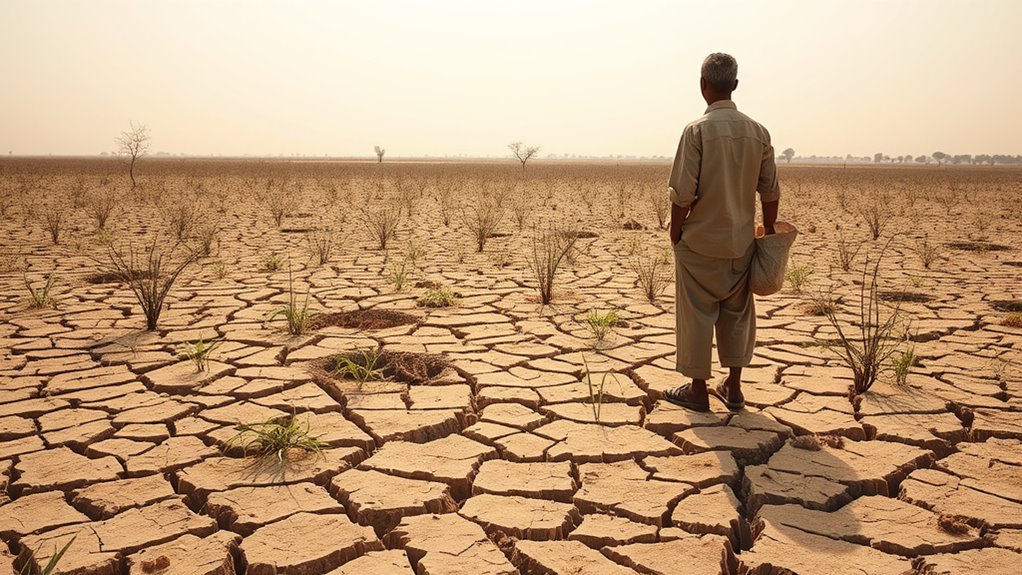
Fertilizer shortages and price volatility threaten global food security by limiting your ability to produce enough high-yield crops. When fertilizer costs rise or supplies become unpredictable, farmers may reduce application rates or delay planting, which lowers crop yields. This impacts food availability, especially in regions heavily dependent on imported fertilizers or where production is already strained. As a result, staple foods like grains and vegetables become scarcer and more expensive, exacerbating hunger and malnutrition worldwide. Vulnerable populations suffer the most, with increased risks of micronutrient deficiencies and food insecurity. Furthermore, farmers facing financial pressure might cut corners, risking soil degradation and long-term productivity. Overall, these disruptions threaten to undermine progress toward global nutrition goals and threaten the stability of food systems worldwide.
Innovations and Future Solutions for Sustainable Fertilization
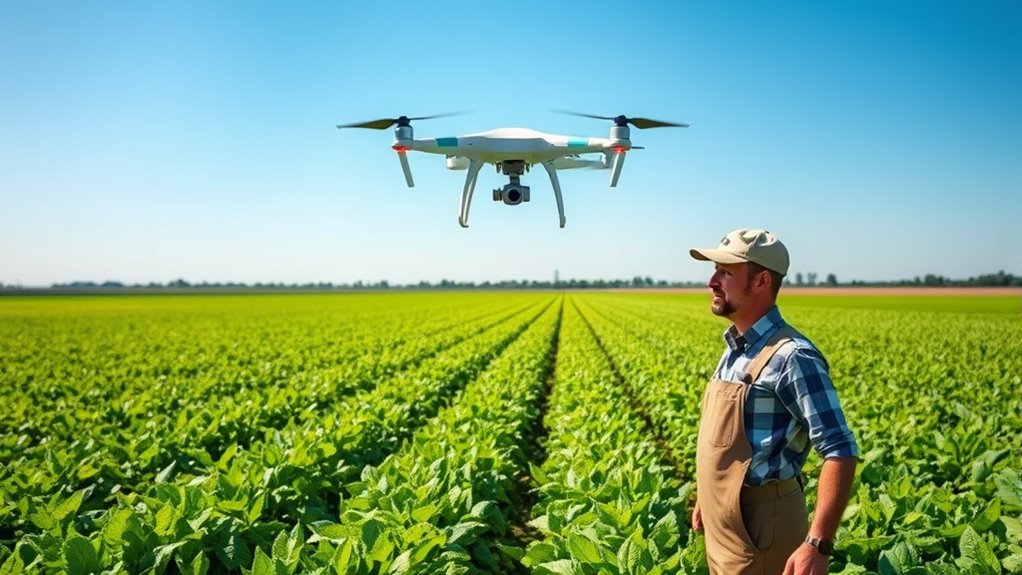
To address the challenges of fertilizer shortages and environmental concerns, researchers and industry leaders are developing innovative solutions that promote sustainability. You can benefit from advances like precision agriculture, which uses data and technology to optimize fertilizer use, reducing waste and environmental impact. Biological fertilizers, such as biochar and microbial inoculants, are gaining traction for enhancing soil health naturally. Alternative nutrient sources, like struvite and organic waste recycling, are helping close nutrient loops. Enhanced efficiency fertilizers (EEFs) release nutrients gradually, decreasing runoff and emissions. Ongoing research into nanotechnology promises targeted delivery, improving nutrient uptake. These innovations aim to boost crop yields while minimizing environmental footprint, ensuring long-term food security and soil sustainability. Embracing these solutions is essential for a resilient, sustainable future in agriculture.
Frequently Asked Questions
How Might Climate Change Further Disrupt Fertilizer Supply Chains?
Climate change can severely disrupt your fertilizer supply chains by causing unpredictable weather patterns like floods, droughts, and storms, which damage production sites and transportation routes. Rising temperatures and extreme weather events may increase costs and delay shipments, making it harder to access essential nutrients. You might also face shortages due to resource scarcities, such as water and energy, further complicating fertilizer manufacturing and distribution processes.
What Role Do Emerging Markets Play in Global Fertilizer Demand?
You should know that emerging markets play a essential role in global fertilizer demand, as their rapidly expanding populations and growing agricultural needs drive increased consumption. You’ll see these countries investing in capacity expansions and importing more fertilizers to boost crop yields. Their demand influences global prices and supply chains, making them key players in shaping the future of fertilizer markets and ensuring food security worldwide.
How Do Fertilizer Shortages Directly Impact Crop Yields and Nutritional Quality?
Fertilizer shortages can cause you to reduce application rates, which directly lowers crop yields and compromises nutritional quality. Without enough nutrients, your plants may grow less vigorously, produce smaller harvests, and have diminished nutrient content like protein and vitamins. This not only affects your farm’s profitability but also risks delivering less nutritious food to consumers. To stay productive, you might need to adopt more efficient practices or alternative inputs.
What Policies Could Effectively Mitigate Future Fertilizer Market Shocks?
You can implement policies that promote diversification of supply sources, investing in domestic production and alternative fertilizers. Supporting research on fertilizer efficiency and sustainable practices reduces dependence on volatile imports. Strengthening trade agreements, reducing tariffs, and maintaining strategic reserves can buffer shocks. Additionally, incentivizing innovation in precision agriculture and biological products helps farmers adapt to price swings, ensuring stable access to essential nutrients and minimizing market disruptions.
Are Alternative and Bio-Based Fertilizers Scalable for Large-Scale Agriculture?
Alternative and bio-based fertilizers are becoming increasingly scalable for large-scale agriculture. You can adopt these options through advances in production technology, improved supply chains, and supportive policies. As demand grows, economies of scale will reduce costs, making them more competitive with conventional fertilizers. You should also explore integrating biological products with precision agriculture techniques, which enhances efficiency, reduces reliance on traditional inputs, and promotes sustainable farming practices at a commercial level.
Conclusion
Think of the global fertilizer shortage like a fragile bridge under heavy load—you need every plank to hold steady for safe passage. Right now, supply disruptions and rising prices threaten your ability to grow enough food. But with innovation and adaptation, you can help strengthen that bridge, ensuring food security for all. Stay informed, support sustainable practices, and remember: together, we can build a resilient future where everyone can cross safely to nourishment.