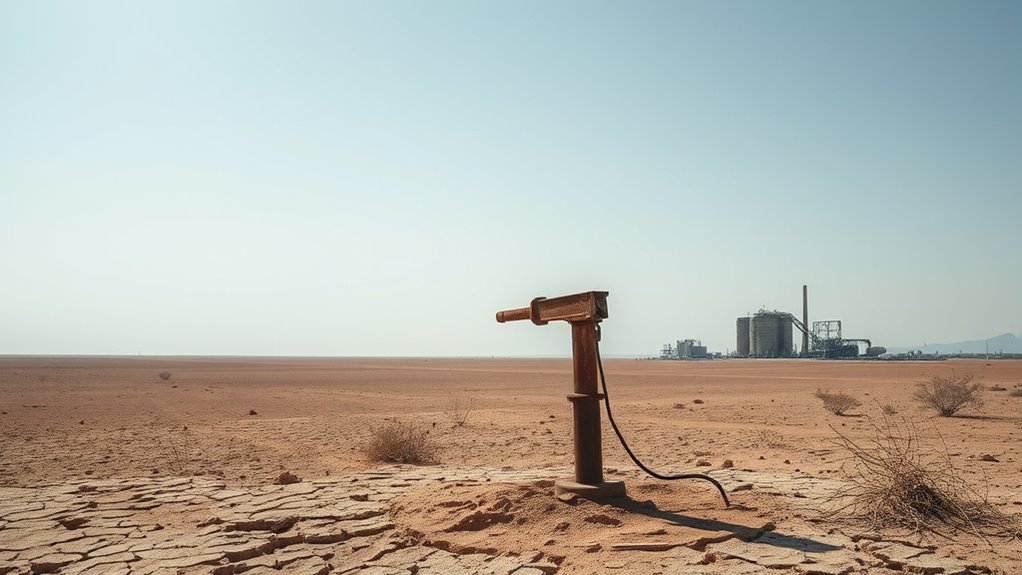

The global water crisis worsens with increasing droughts and shrinking freshwater sources, impacting vulnerable communities and causing social conflicts. Desalination offers a promising solution by providing drought-resistant water, especially in coastal regions, while technological innovations like smart management systems optimize supply. International policies aim to improve water governance and promote reuse. To understand how these efforts shape our future and what more can be done, explore the full picture below.
Listen free for 30 days with Audible
Thousands of audiobooks and originals — cancel anytime.
As an affiliate, we earn on qualifying purchases.
Key Takeaways
- Droughts exacerbate water scarcity globally, impacting vulnerable communities and increasing conflicts and displacement.
- Desalination technology, especially in arid regions, provides a drought-resistant water source, supporting urban and industrial needs.
- Innovations like solar-powered desalination and smart water management optimize water supply while reducing environmental impact.
- International policies and initiatives, such as UN SDG 6 and regional collaborations, promote sustainable water governance and equitable resource sharing.
- Expanding water reuse, ecosystem restoration, and technological advancements are key for sustainable management and future resilience.
Top picks for "global water crisi"
As an affiliate, we earn on qualifying purchases.
The Scope of the Global Water Shortage
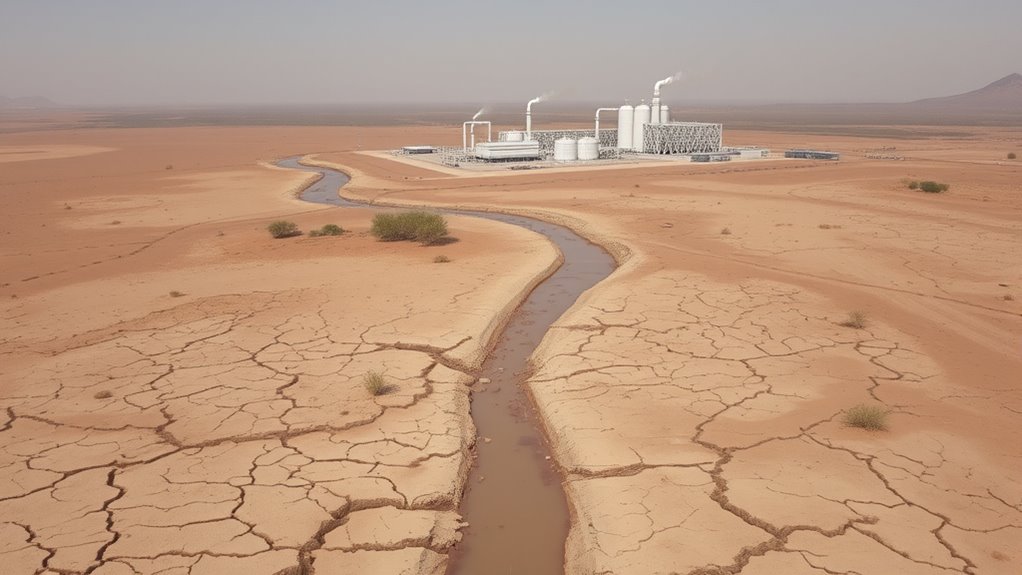
How extensive is the global water shortage? It’s more serious than you might think. As of 2025, about 2.1 billion people lack access to safely managed drinking water, and 3.4 billion lack proper sanitation. Nearly 703 million people can’t access clean water at all. About one in eleven people worldwide are affected by water scarcity, with some regions experiencing over 75% stress levels. Nearly two-thirds of the global population face water shortages for at least one month each year. By 2025, up to 3.5 billion could be affected, threatening health and livelihoods. Water stress has remained steady at around 18% since 2015, but the impact varies greatly across countries and regions. This crisis is driven by declining water supplies, population growth, and climate change. Additionally, water demand continues to outpace supply in many areas, exacerbating the crisis.
Impact of Droughts and Water Scarcity on Communities

You see how droughts and water scarcity hit vulnerable communities hardest, especially rural and indigenous populations who often lack reliable access. Urban areas also face shortages that disrupt daily life and strain infrastructure. These water crises can lead to conflicts, forced migrations, and increased instability across regions. The strain on water resources emphasizes the importance of sustainable management and innovative solutions like desalination technology to address shortages.
Rural and Indigenous Struggles
Why do rural and indigenous communities bear the heaviest burden of droughts and water scarcity? Because they often lack access to reliable infrastructure, making them more vulnerable when water supplies dwindle. You might find that their water sources—rivers, wells, or springs—dry up faster, forcing long, risky journeys to fetch water. Limited resources mean they can’t afford costly solutions like desalination or large-scale infrastructure upgrades. Water scarcity directly impacts their health, agriculture, and traditional ways of life, leading to food insecurity and displacement. You may also see increased conflict over remaining water sources, exacerbating social tensions. In essence, these communities face disproportionate hardships because they have fewer means to adapt or recover from drought-related crises. Creativity can be cultivated even in such challenging circumstances, fostering innovative solutions to water access issues.
Urban Shortage Challenges
Urban communities face increasing challenges from droughts and water scarcity, which threaten their daily water supply and public health. As demand grows due to population increases and aging infrastructure, shortages become more frequent. You may experience water restrictions, rationing, or boil water advisories that disrupt daily routines. Limited access to clean, reliable water affects sanitation, hygiene, and disease prevention efforts. Rising costs of water supply infrastructure and treatment further strain city budgets, making affordable water less accessible. Drought conditions reduce water availability from municipal sources, forcing cities to seek alternative supplies like desalination or trucking in water, which can be costly and environmentally damaging. Additionally, the lack of proper water treatment can lead to health issues within communities. Addressing these issues requires urgent investment in resilient infrastructure, sustainable water management, and policies that prioritize urban water security.
Conflict and Displacement
How does water scarcity fuel conflict and displacement in vulnerable communities? When water becomes scarce, tensions rise as resources become limited and competition intensifies. Communities fight over access to clean water, leading to local conflicts and, sometimes, violence. As supplies dwindle, people are forced to leave their homes in search of better conditions, causing displacement. Rural, indigenous, and low-income groups face the highest risks because they often lack the means to secure or migrate safely. Water scarcity also triggers larger regional instability, prompting migration flows that strain neighboring areas. These disruptions threaten livelihoods, increase poverty, and deepen social divides. Without adequate policies and infrastructure, water shortages will continue to destabilize communities, escalating conflicts and forcing more people to abandon their homes. Water security is a crucial factor in preventing such crises and building resilient communities.
The Role of Desalination in Meeting Water Demands

Desalination is playing an increasingly vital role in addressing global water shortages, especially in arid regions where traditional sources fall short. It allows you to supplement freshwater supplies and bolster water security. Key contributions include:
- Supplying water to water-scarce countries like Saudi Arabia, UAE, and Kuwait, where over 80% of needs rely on desalination.
- Providing a reliable, drought-resistant source unaffected by seasonal rainfall variations.
- Supporting urban populations and industries in coastal areas with high water demands.
- Enabling integration with renewable energy, such as solar-powered plants, to reduce environmental impacts.
- Incorporating natural materials like stone and wood in infrastructure to reduce environmental footprints and enhance sustainability.
While costs and environmental challenges remain, technological advancements are making desalination more sustainable and accessible. This approach directly helps communities facing severe water stress adapt to increasing shortages and climate impacts.
Innovations and Technologies Addressing Water Challenges

You can harness solar-powered desalination to reduce energy costs and environmental impacts, making clean water more accessible in arid regions. Smart water management systems optimize resource use and detect leaks, preventing waste and improving efficiency. Innovative water recycling technologies enable reuse of wastewater, helping communities meet their water needs sustainably. Additionally, implementing beginners guides can assist in understanding the fundamentals of water conservation and management practices.
Solar-Powered Desalination Advances
As water scarcity worsens globally, solar-powered desalination emerges as a promising solution to expand access to clean water in arid regions. This technology harnesses sunlight to power desalination processes, reducing reliance on fossil fuels and lowering costs. Here are some key advances:
- Integrated solar panels boost efficiency by directly powering desalination units.
- Hybrid systems combine solar with traditional energy sources for continuous operation.
- Floating desalination plants enable deployment in remote or coastal areas.
- Innovative materials improve membrane durability, reducing maintenance and energy use.
- Proper installation and maintenance practices, similar to installation guidelines, are essential to ensure optimal system performance and longevity.
These innovations make solar-powered desalination more sustainable, affordable, and adaptable, helping communities facing severe water shortages. As technology progresses, expect wider adoption in water-scarce regions, offering a cleaner, more reliable water source.
Smart Water Management Systems
Smart water management systems are transforming how we address water challenges by leveraging advanced technologies to optimize supply, reduce waste, and improve efficiency. You can use sensors, IoT devices, and real-time data analytics to monitor water usage, detect leaks, and forecast demand accurately. Automated control systems help manage flow and pressure, preventing overuse and minimizing losses. Geographic Information Systems (GIS) and predictive models enable better planning for droughts and floods by analyzing environmental patterns. Digital platforms facilitate coordinated responses across municipalities, industries, and agriculture, ensuring resources are allocated wisely. These innovations empower you to make data-driven decisions, enhance transparency, and build resilient water infrastructures. Smart water management systems help conserve water, lower costs, and improve access in regions facing increasing scarcity.
Innovative Water Recycling Technologies
Innovative water recycling technologies are transforming how communities and industries address water scarcity by enabling the reuse and treatment of wastewater for multiple purposes. These advancements help stretch limited water supplies and reduce environmental impacts. Here’s how:
- Advanced Membrane Filtration: Uses nanotechnology to remove contaminants, producing high-quality reuse water for agriculture and industry.
- Constructed Wetlands: Mimic natural processes to treat wastewater cost-effectively, supporting ecosystem health.
- UV and Ozone Disinfection: Kill pathogens without chemicals, ensuring safe reuse for irrigation or industrial processes.
- Zero Liquid Discharge Systems: Recover nearly all wastewater, minimizing brine and waste, ideal for industrial applications.
- Proper sizing and load‑planning tools are essential to ensure these systems operate efficiently and reliably over time.
International Policies and Initiatives for Water Management

How do countries coordinate to address the global water crisis? They join international agreements, implement policies, and share solutions. The UN’s Sustainable Development Goal 6 aims for universal access to safe water and sanitation by 2030. Global initiatives promote cross-border cooperation, technology transfer, and knowledge sharing. Countries also form regional partnerships to manage transboundary water resources effectively. Below is a table highlighting key policies and initiatives:
| Initiative | Focus Area | Impact |
|---|---|---|
| UN SDG 6 | Universal water access | Drives global infrastructure investments |
| Global Water Partnership (GWP) | Water governance | Enhances sustainable management practices |
| Aquapreneur Innovation Initiative | Water innovation | Fosters startups and scalable solutions |
| World Water Forum | Policy dialogue and collaboration | Builds political commitment and action |
These efforts aim to reduce disparities, improve governance, and promote sustainable water management worldwide.
Future Directions and Sustainable Solutions
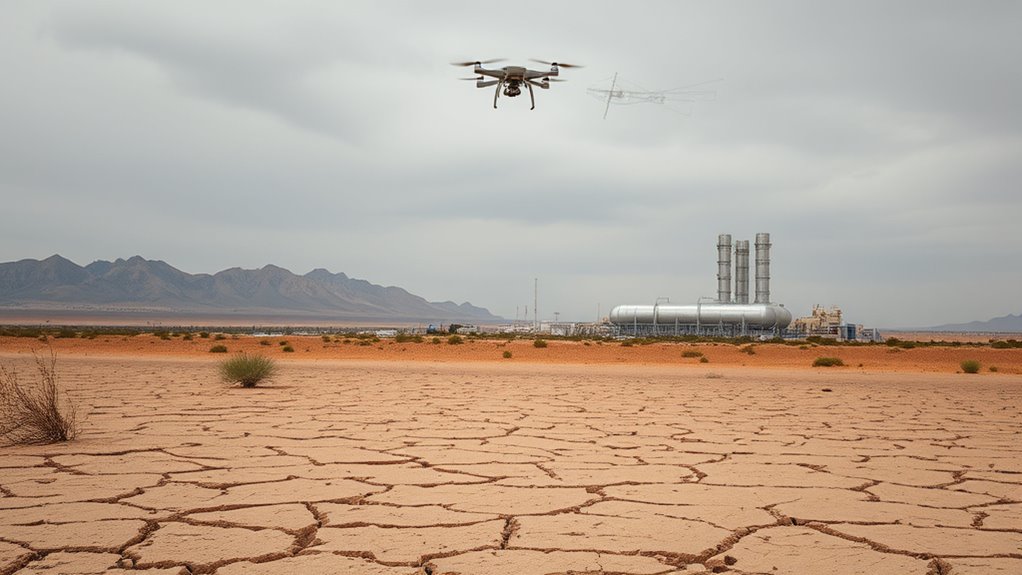
Addressing the global water crisis requires a shift toward sustainable solutions that balance human needs with environmental protection. You can focus on innovative approaches to secure water for future generations. Here are four key strategies:
- Invest in renewable energy-powered desalination to reduce costs and environmental impacts.
- Expand water reuse and recycling to maximize existing supplies.
- Implement smart water management tools, like data analytics, to optimize resource use.
- Promote ecosystem restoration to enhance natural water filtration and storage.
Frequently Asked Questions
What Are the Environmental Impacts of Large-Scale Desalination Plants?
You should know that large-scale desalination plants can harm the environment by producing brine, which can damage marine ecosystems if not properly managed. The energy needed often comes from fossil fuels, increasing greenhouse gas emissions. Additionally, intake systems may trap marine life, and the discharge of chemicals used in the process can pollute water sources. These impacts highlight the need for sustainable practices and technological innovations.
How Can Water Governance Be Improved Globally?
You can improve global water governance by promoting international collaboration, investing in infrastructure, and adopting integrated water management policies. Support transparency and accountability to guarantee fair resource distribution. Embrace innovative solutions like data-driven tools and sustainable technologies, such as solar-powered desalination. Strengthen local capacity through education, policy reform, and community engagement. Prioritize ecosystem protection and equitable access, fostering cooperation across sectors and borders to build resilient, efficient, and sustainable water systems worldwide.
What Role Does Community Involvement Play in Water Sustainability?
Community involvement is vital for water sustainability because you directly influence local water practices and conservation efforts. When you participate in awareness campaigns, advocate for responsible water use, and support local projects, you help build a culture of conservation. Your engagement guarantees that policies reflect community needs, enhances water management, and fosters shared responsibility. Together, active community participation creates resilient systems that protect water resources for current and future generations.
Are There Affordable Water Solutions for Low-Income Regions?
Think of water solutions like Pandora’s box—you can open affordable options if you choose wisely. In low-income regions, simple, low-cost methods like rainwater harvesting, solar-powered water pumps, and community-led filtration systems provide immediate relief. These solutions, though seemingly small, can make a big difference, ensuring access to clean water without draining resources. Embracing local innovation and partnerships helps create sustainable, affordable water sources for those who need it most.
How Will Climate Change Alter Future Water Availability?
Climate change will markedly reduce future water availability by increasing temperatures, which elevate evaporation rates and decrease water supplies. You’ll see altered rainfall patterns, leading to more frequent and severe droughts in many regions. Melting glaciers and shrinking snowpacks will also diminish freshwater sources. As a result, you’ll face heightened competition for water, increased stress on ecosystems, and greater risks to agriculture, health, and economic stability if action isn’t taken to adapt.
Conclusion
As you watch water become scarcer despite endless innovations, it’s ironic that our biggest challenge isn’t a lack of solutions but our willingness to use them wisely. Droughts persist, desalination costs rise, and policies falter—yet we still cling to old habits. Maybe, in the end, it’s not about finding new ways to supply water but realizing that conserving what we have is the real answer. Ironically, that’s the hardest lesson of all.
Labor Day sales Picks
labor day deals
As an affiliate, we earn on qualifying purchases.