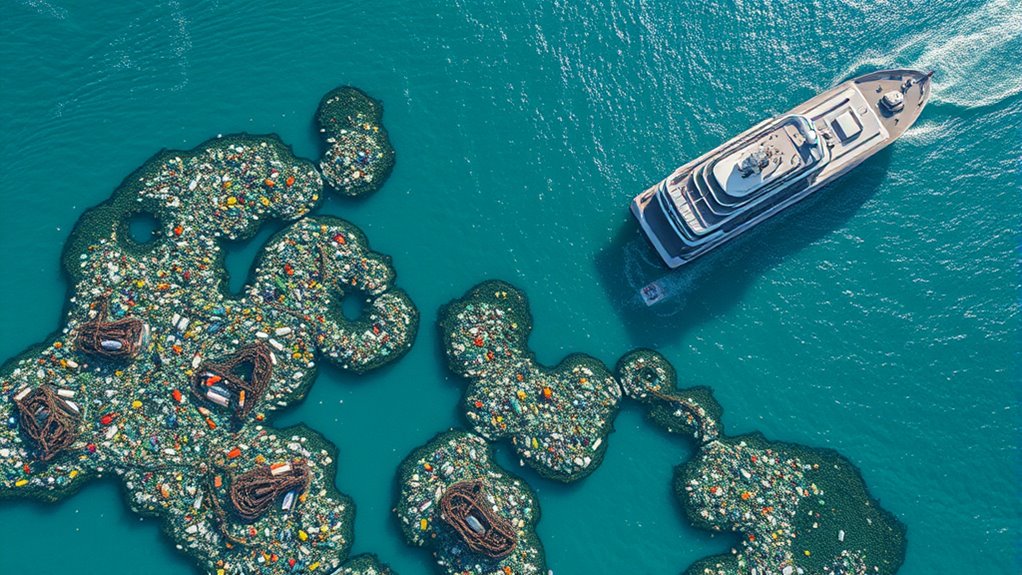

Innovative policies like bans on single-use plastics, extended producer responsibility, and global treaties aim to curb ocean plastic pollution. New technologies, such as ocean skimmers, autonomous drones, and biodegradable plastics, support cleanup and waste reduction efforts. Challenges remain in scaling these solutions and changing behaviors, but international collaboration offers promising opportunities. By embracing these advances, you can see how collective efforts are shaping a healthier ocean future; there’s more to uncover if you keep exploring.
Key Takeaways
- New policies include bans on single-use plastics, extended producer responsibility, and international treaties to enhance waste management and reduce ocean pollution.
- Innovative technologies such as ocean skimmers, autonomous drones, and floating barriers are being deployed for large-scale plastic cleanup.
- Development of biodegradable plastics and improved recycling methods aim to reduce long-term plastic waste in oceans.
- Global collaboration platforms facilitate data sharing, innovation, and funding to accelerate ocean plastic pollution solutions.
- Policy efforts target increased waste infrastructure, consumer awareness, and cross-border cooperation to address plastic leakage effectively.
Current State of Ocean Plastic Pollution and Its Impact

Ocean plastic pollution has reached a staggering scale, with an estimated 75 to 199 million tonnes of plastic waste currently floating in the oceans. You can see it in the massive garbage patches and floating debris that threaten marine life. Every year, about 33 billion pounds of plastic enter the oceans, much of it from river systems dominated by about 1,000 major rivers. Marine animals suffer immensely; over 100 million die annually due to ingestion or entanglement. Fish ingest thousands of tons of microplastics each year, which then enter the food chain. The Great Pacific Garbage Patch alone contains 1.8 trillion pieces of plastic. Without intervention, plastic could outweigh fish by 2050, drastically disrupting marine ecosystems and threatening global biodiversity. Recently, new policies and technologies have been developed to combat ocean plastic pollution and promote sustainable solutions.
Existing Waste Management and Its Limitations

You need to recognize that current waste management systems are falling short of handling plastic waste effectively. Recycling rates remain low, with only about 9% of plastics being reused, and much of the waste overwhelms local infrastructure. This gap leaves significant amounts of plastic to escape into the oceans, worsening pollution. Additionally, the lack of vetted policies and effective enforcement compounds these issues, making it harder to curb plastic leakage into marine environments.
Recycling Inefficiencies Persist
Despite awareness of the plastic pollution crisis, current waste management systems remain inadequate in handling the volume of plastic waste generated worldwide. Recycling rates are dismally low, with only about 9% of plastics recycled globally. Many plastics, especially single-use items, are discarded after a single use, making recycling inefficient. Infrastructure gaps and inconsistent policies limit effective waste processing. You must recognize that most plastics still end up in landfills or the ocean. Here’s a breakdown:
| Issue | Impact |
|---|---|
| Low Recycling Rates | Only 9% of plastics are recycled |
| Single-Use Plastic | Up to 50% of plastics are disposable products |
| Waste Overload | 66% of populations lack proper waste management |
| Infrastructure Gaps | Insufficient facilities hinder recycling efforts |
| Policy Limitations | Lack of uniform regulations hampers progress |
Additionally, recycling inefficiencies are exacerbated by limited consumer awareness and participation. Until these inefficiencies improve, plastic pollution will persist.
Insufficient Waste Infrastructure
While recycling efforts remain limited, the broader challenge lies in the inadequate waste management infrastructure around the world. You may notice that many regions lack sufficient facilities to handle plastic waste effectively. In these areas, waste often ends up in landfills, waterways, or is openly burned, releasing toxins and plastic debris into the environment. This overload overwhelms existing systems, making it impossible to process all waste properly. As a result, much plastic escapes into rivers and oceans, fueling pollution. Globally, 66% of the population lives where waste management can’t keep pace with plastic production. Without significant improvements in collection, sorting, and disposal infrastructure, efforts to curb ocean plastic pollution will remain limited, allowing waste to continue polluting marine ecosystems. Vetted waste management systems are essential to address these challenges and reduce the flow of plastics into our oceans.
Innovative Technologies for Plastic Reduction and Cleanup
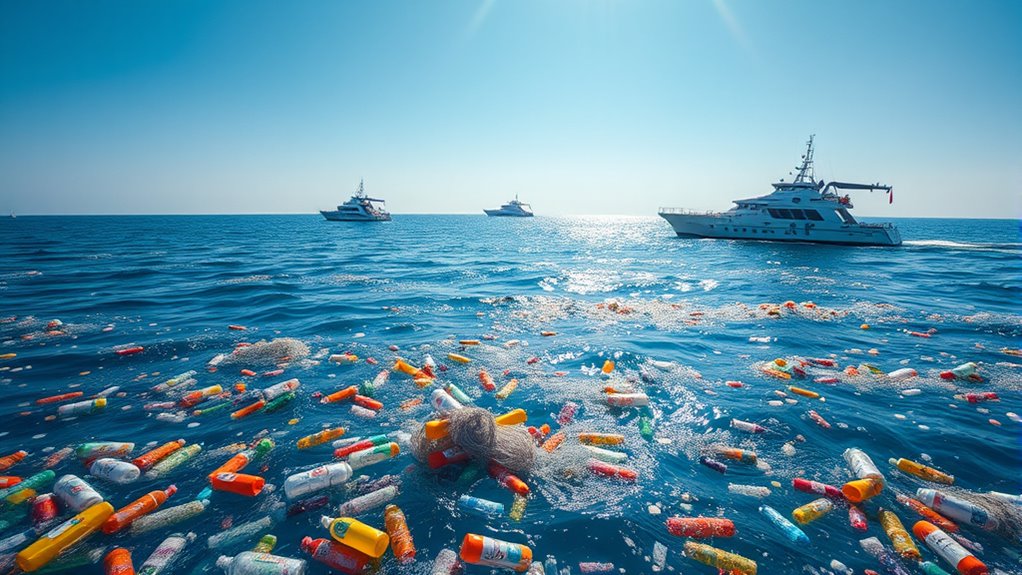
Innovative technologies are transforming efforts to reduce plastic waste and clean up existing pollution in the oceans. You can now leverage advanced cleanup devices like ocean skimmers and autonomous drones that target large debris and microplastics efficiently. Breakthroughs in biodegradable plastics aim to replace single-use items, reducing long-term waste. Researchers are developing materials that break down faster and pose less harm to marine life. Large-scale cleanup projects, such as floating barriers, actively collect plastics from garbage patches, preventing further damage. Additionally, new recycling technologies improve the sorting and processing of plastics, making reuse more feasible. Remote hackathons are also facilitating collaboration among global experts to develop innovative solutions for ocean pollution. These innovations are essential in tackling the plastic crisis, offering scalable, effective solutions that complement policy efforts and community actions to restore ocean health.
Policy Developments and Global Initiatives
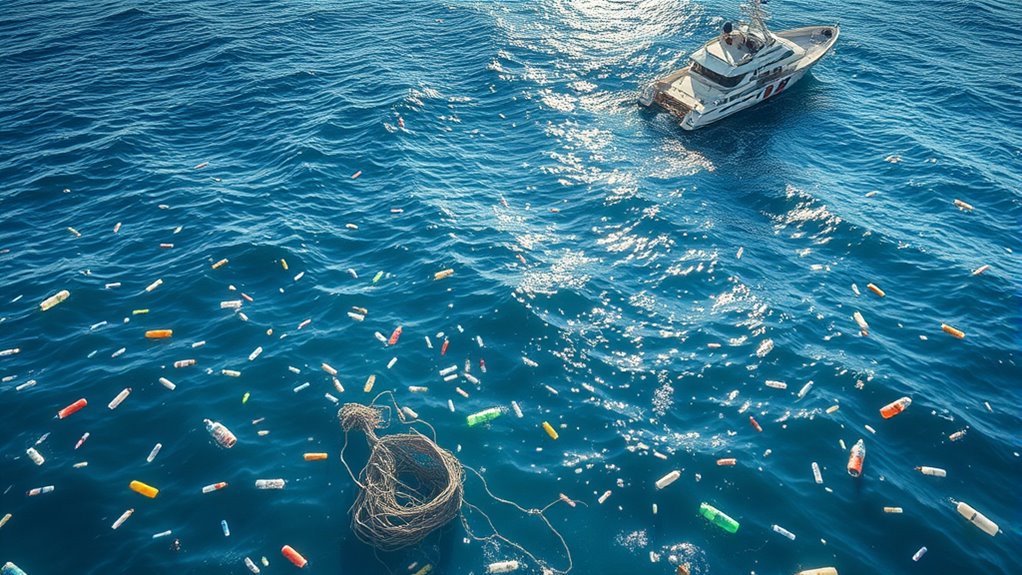
Governments worldwide are implementing policies to combat ocean plastic pollution through ambitious targets and regulatory measures. Many nations have set clear goals to cut plastic waste by 2025, focusing on reducing single-use plastics and improving waste management systems. Extended producer responsibility policies now hold manufacturers accountable for their plastic products’ end-of-life disposal, encouraging eco-friendly designs. Several countries are imposing taxes or bans on single-use plastics, incentivizing consumers to choose sustainable alternatives. International cooperation plays a crucial role, with global agreements and treaties fostering coordinated efforts to address transboundary pollution. Strengthening local and national regulations helps improve recycling infrastructure and waste handling. These policy developments aim to create a thorough framework that not only curtails plastic entry into oceans but also promotes sustainable practices across industries and communities. Additionally, implementing banking hours strategies can facilitate better management of waste collection and recycling services, ensuring they operate efficiently and reach more communities.
Challenges in Scaling Solutions and Promoting Behavioral Change

Scaling effective solutions to ocean plastic pollution faces significant hurdles because technologies and policies often struggle to keep pace with the vast scale of plastic waste generated globally. You’ll find that implementing large-scale cleanup projects requires substantial resources, coordination, and infrastructure, which are difficult to expand quickly. Promoting behavioral change is equally challenging; convincing consumers and industries to reduce plastic use demands persistent education, incentives, and cultural shifts. Many people remain unaware of the full impact of their habits or lack access to sustainable alternatives. Economic interests and entrenched habits slow progress. Without widespread adoption, even the most innovative technologies will fall short. Overcoming these barriers requires persistent effort, strategic partnerships, and policies designed to support scalable, sustainable change across diverse communities and industries. Additionally, fostering creative practice and embracing innovative approaches can help develop new, effective strategies to address these complex challenges.
Opportunities for International Collaboration and Future Progress

You have the opportunity to push for stronger global policy alignment, ensuring countries work together toward common plastic waste reduction goals. Sharing innovation platforms can accelerate the development and deployment of effective solutions across borders. By fostering these collaborations, you help create a unified effort to combat ocean plastic pollution more efficiently. Incorporating gold investment strategies can also provide additional funding avenues for environmental initiatives.
Global Policy Alignment
How can international collaboration accelerate progress in combating ocean plastic pollution? By aligning policies, countries can create unified standards for waste management, recycling, and plastic reduction, reducing loopholes and enforcement gaps. Global agreements encourage resource sharing, funding, and technology transfer, enabling developing nations to implement effective solutions. Coordinated efforts also facilitate data collection, helping monitor progress and identify best practices. When nations commit to common goals—such as reducing single-use plastics or banning microbead products—they amplify their impact. International collaboration fosters accountability, driving compliance and innovation across borders. Ultimately, unified policies make it harder for plastic pollution to slip through regulatory cracks, ensuring a more cohesive, effective global response. This collective approach accelerates progress toward healthier oceans and sustainable practices worldwide.
Shared Innovation Platforms
Shared innovation platforms offer a powerful way for nations and organizations to pool resources, expertise, and technology in the fight against ocean plastic pollution. These platforms facilitate collaboration, enabling you to access cutting-edge solutions, share best practices, and accelerate technological development. By working together, you can support large-scale projects like innovative recycling methods, biodegradable plastics, and cleanup initiatives. Such platforms also foster data sharing, helping you identify effective strategies and monitor progress globally. Importantly, they promote capacity building and knowledge exchange, empowering communities and stakeholders. As ocean plastic pollution is a transnational issue, these collaborative efforts are essential for scaling solutions efficiently and cost-effectively. Additionally, shared innovation platforms can help streamline the process for obtaining permits and inspections, reducing bureaucratic hurdles and expediting project implementation. Ultimately, shared innovation platforms strengthen your ability to address the crisis through collective ingenuity and coordinated action.
Frequently Asked Questions
How Do Microplastics Affect Human Health Long-Term?
You might not see microplastic effects right away, but they could impact your health long-term. When you consume seafood contaminated with microplastics, these tiny particles can carry toxins into your body, potentially causing inflammation, hormonal disruptions, or damage to organs over time. Microplastics may also accumulate in your tissues, making it harder to eliminate harmful substances, which could lead to chronic health issues down the line.
What Are the Most Promising Biodegradable Plastics Currently?
You’ll find that polylactic acid (PLA) is one of the most promising biodegradable plastics, derived from renewable resources like corn starch. It’s widely used in packaging and single-use items because it decomposes in industrial composting environments within 90-180 days. Additionally, polyhydroxyalkanoates (PHA) are produced by bacteria and break down naturally in marine environments. These innovations could markedly reduce plastic pollution if adopted globally.
How Effective Are Current International Plastic Pollution Treaties?
You’ll find that current international plastic pollution treaties are somewhat effective but face challenges. They promote cooperation, set reduction targets, and encourage waste management improvements. However, enforcement varies, and many countries lack resources to fully implement them. Still, these treaties raise awareness and foster global commitment. To boost their effectiveness, you should support stronger enforcement, increased funding, and broader participation from nations worldwide.
What Funding Sources Support Ocean Cleanup Projects?
You might think ocean cleanup projects are funded by extraterrestrial billionaires, but reality’s less glamorous. Funding mainly comes from government grants, environmental NGOs, corporate sponsorships, and philanthropic foundations. Some innovative crowdfunding campaigns also contribute. While it’s encouraging, these sources are often limited and inconsistent. To truly tackle ocean plastic pollution, you’ll need more substantial, sustained investments—otherwise, your cleanup efforts could be just a drop in the vast, plastic-filled ocean.
How Can Consumers Influence Plastic Waste Reduction Policies?
You can influence plastic waste reduction policies by advocating for stronger regulations, supporting eco-friendly brands, and participating in community cleanups. Voice your concerns to policymakers through petitions, letters, or social media to push for bans on single-use plastics and better waste management. Your choices and activism create public pressure, encouraging governments and companies to prioritize sustainable practices and develop innovative solutions to reduce plastic pollution.
Conclusion
As you witness the tides of change, remember that each action you take is a drop shaping the vast ocean’s future. Our collective efforts are the lighthouse guiding us through the storm of pollution towards cleaner waters. The fight against plastic waste isn’t just about technology or policies—it’s about reclaiming the ocean’s promise of life and wonder. Together, you hold the power to turn the tide and restore the ocean’s voice for generations to come.