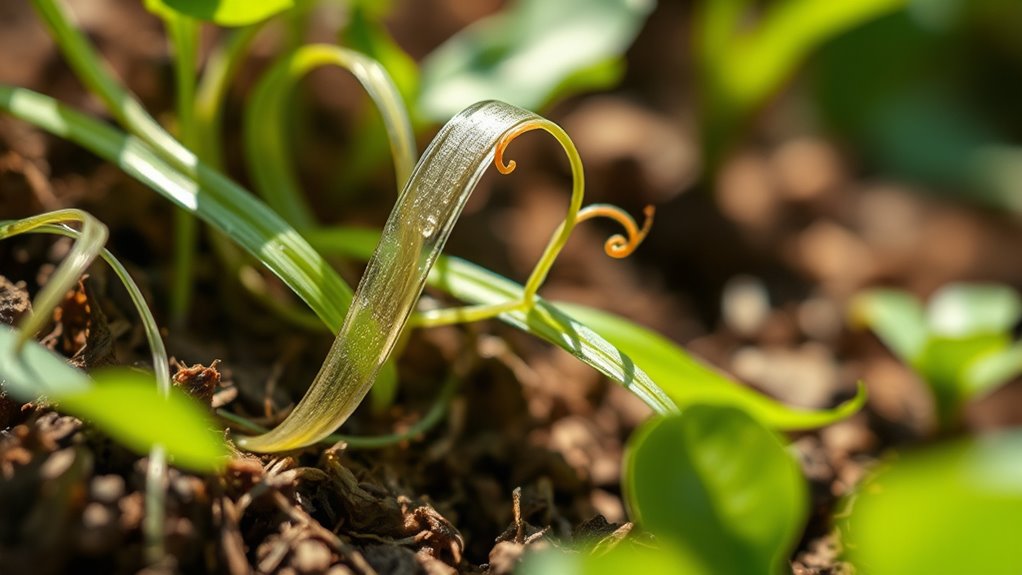

Biodegradable sensors are eco-friendly devices designed to break down naturally after use, helping you reduce waste and prevent pollution. Made from renewable materials like cellulose, silk, and biopolymers, they decompose into non-toxic components, ensuring they don’t contribute to long-lasting e-waste. Their lightweight and flexible design makes them versatile for applications like health monitoring and environmental sensing. If you want to discover how these sustainable tech solutions work, keep exploring the innovative materials behind them.

Get travel and outdoor gear delivered free — and shop member deals
- Fast, free delivery on millions of items
- Access to Prime Big Deal Days deals on October 6–7
- Prime Video, Amazon Music and more included
Key Takeaways
- Biodegradable sensors are made from natural, eco-friendly materials like cellulose, silk, and biopolymers that decompose safely in compost.
- These sensors break down into non-toxic components, preventing environmental pollution and reducing long-term e-waste.
- Their lightweight and flexible design facilitate deployment in environmental or biomedical applications, supporting compostability.
- Manufacturing processes for biodegradable sensors typically consume less energy and produce fewer harmful byproducts.
- They embody sustainable technology, enabling compostable, eco-conscious monitoring solutions that align with environmental stewardship.
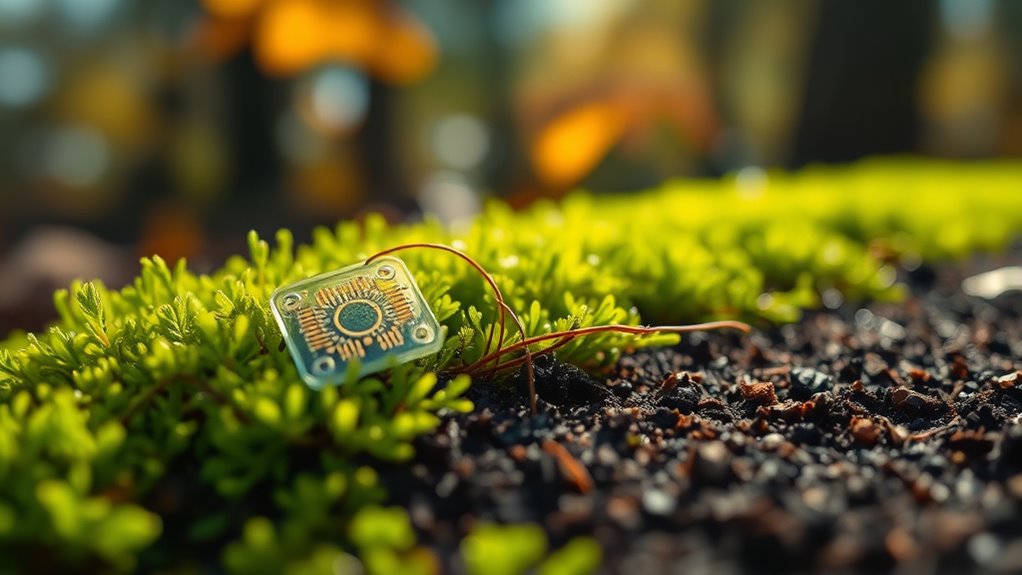
Biodegradable sensors are revolutionizing the way we monitor health, environment, and industrial processes by providing eco-friendly, temporary solutions. These sensors are designed to break down naturally after their useful life, reducing waste and minimizing environmental harm. As you explore this innovative technology, you’ll notice that one of its most compelling advantages is the positive environmental impact. Traditional electronic sensors often contribute to e-waste, which can linger in landfills for decades and release harmful chemicals. In contrast, biodegradable sensors decompose into non-toxic components, guaranteeing they don’t pollute ecosystems or threaten wildlife. This shift toward eco-conscious design reflects a broader movement driven by material innovation, where researchers develop new materials that serve their purpose temporarily but leave no lasting environmental footprint.
Material innovation plays a vital role in making biodegradable sensors viable. Instead of relying on conventional plastics and metals, scientists are experimenting with natural and renewable materials like cellulose, silk, chitosan, and other biopolymers. These materials are not only environmentally friendly but also possess the necessary electrical and mechanical properties for sensing applications. For example, cellulose-based sensors can detect humidity or temperature, while silk-derived sensors can monitor physiological signals. This material innovation allows you to deploy sensors in sensitive environments—such as the ocean, soil, or inside the human body—without concern about long-term waste or pollution. As research advances, you’ll see even more sophisticated biodegradable materials that mimic the performance of traditional sensors but with the added benefit of compostability.
Furthermore, the use of lightweight materials in biodegradable sensors enhances their versatility and ease of deployment in various settings, from delicate ecosystems to wearable technology. The environmental impact of these sensors doesn’t stop at their end-of-life. During manufacturing, biodegradable sensors often require less energy and produce fewer harmful byproducts compared to conventional electronics. This means that adopting biodegradable sensors could considerably lower the carbon footprint of various monitoring systems. Plus, because these sensors are lightweight and often flexible, they can be integrated into a wide range of applications—from wearable health devices to environmental monitoring stations—without contributing to plastic pollution. The ongoing material innovation ensures that these sensors are not only eco-friendly but also reliable and cost-effective, paving the way for widespread adoption.
In essence, biodegradable sensors embody a future where technology and sustainability go hand in hand. Their environmental impact is minimized through thoughtful material innovation, enabling you to embrace solutions that are both cutting-edge and kind to the planet. As you consider integrating these sensors into your projects, you’ll find that they offer a promising path toward more responsible, eco-conscious monitoring systems that align with global efforts to reduce waste and protect the environment.
Frequently Asked Questions
How Long Do Biodegradable Sensors Take to Decompose?
You wonder how long biodegradable sensors take to decompose. The sensor lifespan varies depending on materials, but typically, they break down within a few months to a year. The decomposition timeline is influenced by environmental factors like moisture and microbes. You can expect these sensors to fully decompose naturally, leaving no harmful residue, making them an eco-friendly choice for sustainable technology.
Are Biodegradable Sensors as Durable as Traditional Sensors?
They say “you get what you pay for,” and durability isn’t spared. While biodegradable sensors offer eco-friendly benefits, their material longevity and performance trade-offs mean they might not match traditional sensors in durability. You’ll find they’re designed for specific use cases, often sacrificing some robustness for eco-consciousness. So, if you need long-lasting performance, traditional sensors could serve you better, but biodegradable options excel when sustainability matters most.
What Environmental Conditions Affect Sensor Biodegradability?
Environmental conditions like soil stability and moisture levels directly impact how quickly your biodegradable sensors break down. If the soil is too stable or dry, degradation slows down, making the sensors last longer. Conversely, moist, unstable soils accelerate biodegradation. You should consider these factors when deploying sensors to guarantee timely breakdown after use, reducing environmental impact and ensuring they don’t persist unnecessarily in the ecosystem.
Can Biodegradable Sensors Be Recycled Before Composting?
You might wonder if biodegradable sensors can be recycled before composting. While sensor recycling is possible, it often faces composting challenges because some materials aren’t easily separated or reused. Recycling helps reduce waste, but composting requires the sensor’s materials to break down naturally. So, in many cases, it’s better to compost biodegradable sensors directly, especially if recycling options are limited or complicated.
Are There Any Health Risks Associated With Sensor Decomposition?
Imagine a sensor breaking down in your environment, releasing tiny particles. You might worry about toxic leachates contaminating soil or water, or microbes developing resistance. While biodegradable sensors are designed to minimize health risks, some decomposition byproducts could pose concerns if not properly managed. It’s essential to guarantee these materials are safe, as harmful substances or resistant microbes could impact ecosystems or human health over time.
Conclusion
By choosing biodegradable sensors, you’re embracing innovation that benefits the environment, reduces waste, and promotes sustainability. You can monitor health, improve technology, and protect the planet—all with one eco-friendly solution. You can innovate for a cleaner future, support green technology, and make a difference with every sensor you use. Embrace biodegradable sensors and turn technology into a force for good, transforming the way you connect, care, and contribute to a healthier world.
Fall Picks
fall essentials
As an affiliate, we earn on qualifying purchases.