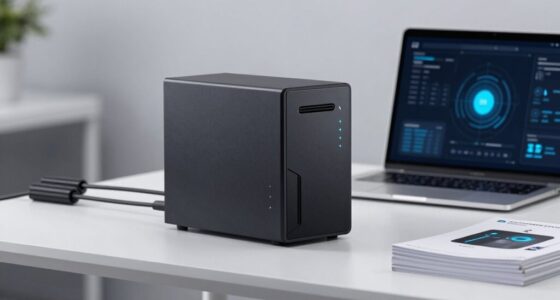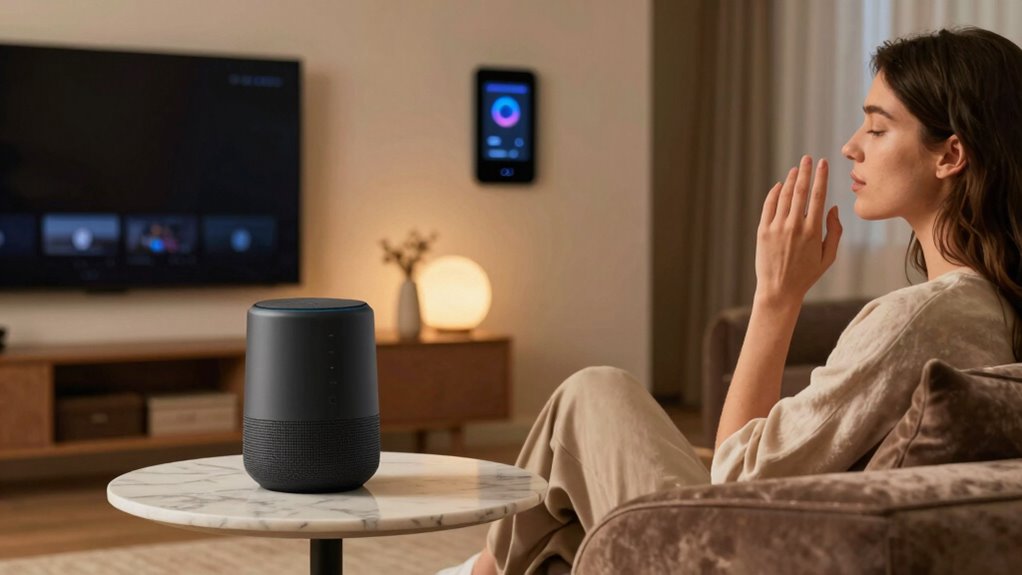

You’ve likely noticed voice technology becoming a household staple because it’s now simple to control lights, music, and weather with just your voice. Rapid AI improvements make these assistants smarter and more natural, learning your preferences over time. While privacy concerns exist, companies are working to improve security and transparency. This shift toward interconnected smart devices has made voice tech essential in managing your home easily. Keep exploring to discover how these innovations continue to shape your everyday life.

Get travel and outdoor gear delivered free with Prime
- Fast, free delivery on millions of items
- Prime Video, Amazon Music and more included
- Member-only deals all year
Key Takeaways
- Rapid AI advancements made voice assistants more intuitive and human-like, increasing household adoption.
- Integration of voice technology with smart devices enabled seamless control of home functions.
- Consumer demand for convenience and efficiency drove widespread acceptance of voice-enabled systems.
- Industry efforts to improve privacy and security increased user trust in voice technology.
- Natural language processing allowed for effortless, natural interactions, making voice a standard household feature.
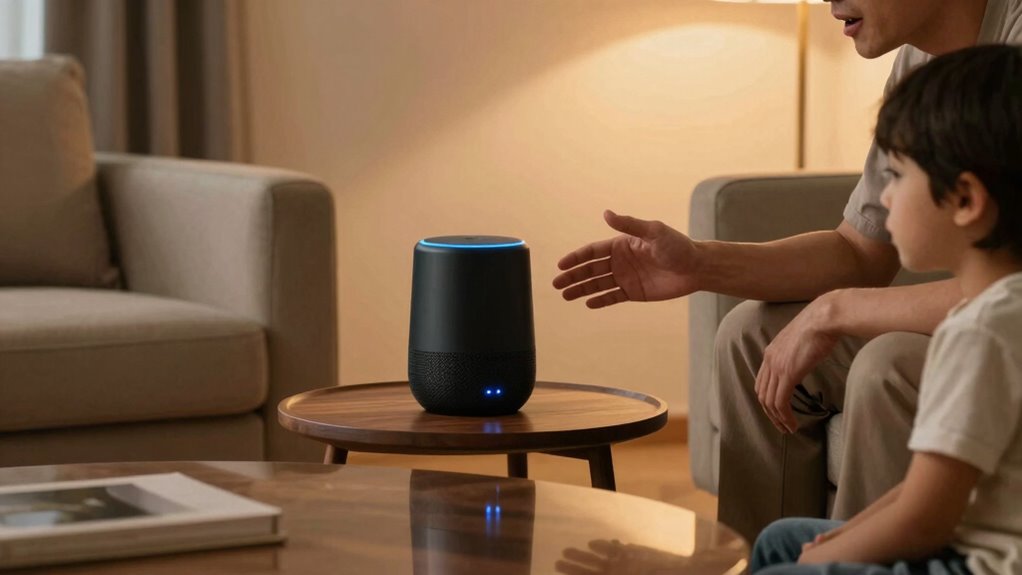
Voice technology is quickly becoming a household standard, transforming the way we interact with everyday devices. You might notice how simply speaking a command can turn on your lights, play your favorite music, or answer questions about the weather. This shift didn’t happen overnight; it’s the result of rapid AI integration into our daily lives, making voice assistants more intuitive and responsive. As you rely more on these tools, it’s natural to contemplate privacy concerns. With voice devices constantly listening for commands, many worry about how their data is collected, stored, and used. Companies have worked to address these issues by implementing encryption and giving users more control over their privacy settings, but the concern remains. You should be aware that voice assistants often transmit recordings to cloud servers for processing, which raises questions about data security and unauthorized access. Despite these concerns, the convenience and efficiency offered by voice technology continue to drive its adoption.
Voice devices listen constantly, raising privacy concerns about data collection, storage, and security despite ongoing industry efforts.
The seamless AI integration into household devices is what makes these systems so indispensable. You don’t need to fiddle with apps or navigate complicated menus anymore; instead, you speak naturally, and the technology understands you. Over time, these systems have become smarter, learning your preferences and routines to offer personalized assistance. For example, your voice assistant might suggest your favorite playlist at a specific time or remind you of upcoming appointments. This level of AI integration enhances user experience, making your interactions feel more human and less mechanical. It’s this natural language processing capability that pushes voice technology from novelty to necessity in many homes. Additionally, the interconnectedness of smart devices allows for more seamless control and automation within your home environment. This interconnectedness is facilitated by the increasing use of smart home protocols, which enable different devices to communicate securely. Moreover, ongoing advancements in AI capabilities continue to improve the responsiveness and accuracy of voice assistants, making them even more integral to modern living.
Another factor driving adoption is the growing consumer trust in voice-enabled devices, as manufacturers work to improve security and transparency. As voice technology becomes more embedded in your daily routine, its influence extends beyond convenience. Smart home devices, security systems, and even kitchen appliances are now interconnected, allowing you to control multiple functions through voice commands. This interconnectedness streamlines your activities but also amplifies privacy concerns. You might worry about unauthorized listening or hacking, especially if your devices aren’t properly secured. Manufacturers are aware of these risks and are continually updating security protocols. This ongoing evolution in security measures demonstrates the industry’s commitment to safeguarding user data. Still, it’s up to you to stay informed about privacy policies and take steps to protect your data—like regularly updating software and reviewing device permissions.
In the end, voice technology’s rise to household standard hinges on balancing the benefits of AI integration with the importance of safeguarding your privacy. As you embrace this new way of interacting with your environment, being mindful of privacy concerns ensures you enjoy the convenience without compromising your security. Voice technology is here to stay, transforming homes into smarter, more responsive spaces—if you’re willing to navigate the privacy landscape wisely.
As an affiliate, we earn on qualifying purchases.
Frequently Asked Questions
How Secure Is Voice Technology for Personal Data?
Voice technology’s security depends on how it’s designed. While data encryption protects your voice data during transmission, user authentication guarantees only authorized access. However, vulnerabilities exist if these measures aren’t strong enough, and hackers can potentially intercept or misuse your voice commands. To stay safe, choose devices with robust encryption and multi-factor authentication. Always stay updated on security features to keep your personal data secure when using voice technology.
Can Voice Assistants Understand Multiple Languages Simultaneously?
Yes, voice assistants can understand multiple languages simultaneously. With advanced multilingual recognition, they identify when you switch languages mid-conversation, often seamlessly. But it’s not foolproof—sometimes, language switching can cause confusion. As technology evolves, voice assistants are becoming better at this, making your interactions more natural. Imagine a world where switching languages feels effortless, and your device understands you perfectly, no matter how many languages you speak at once.
What Are the Privacy Concerns With Always-On Devices?
You should be aware that always-on devices raise privacy concerns because they’re constantly listening for voice commands, which can lead to unintended recordings. Smart home integration makes this risk more significant, as devices share data across platforms. While voice recognition accuracy improves, there’s still a chance of misinterpretation or accidental activation. To protect your privacy, regularly review device settings and be cautious about what you share through voice commands.
How Accessible Is Voice Technology for Differently-Abled Users?
Voice technology is increasingly accessible for differently-abled users thanks to features like speech recognition and customizable commands. You can tailor accessibility features to suit your needs, making interactions more seamless. User customization allows you to adjust the technology for your specific abilities, whether you have a speech impairment or mobility challenges. This ongoing development guarantees voice tech becomes more inclusive, empowering you to control devices easily and independently.
Will Voice Technology Replace Traditional Household Appliances?
You might think voice technology will replace traditional appliances, but it’s more about smart home integration. As voice command accuracy improves, these devices seamlessly complement your existing appliances, making your home smarter without complete replacement. It’s a coincidence how voice tech enhances functionality, allowing you to control lights, thermostats, and more effortlessly. So, rather than replacing, voice technology transforms household appliances into intuitive, connected systems that work together for your convenience.
Conclusion
As you’ve seen, voice technology’s rise isn’t just a coincidence; it’s backed by innovations that make daily life easier. The theory that voice assistants would become household staples holds true because they adapt to your needs, seamlessly integrating into routines. This shift isn’t just about convenience—it’s a reflection of how technology evolves to fit human behavior. So, next time you use your voice device, remember, you’re witnessing a major step in how we live and connect.
Halloween Picks
halloween
As an affiliate, we earn on qualifying purchases.