TL;DR

Get travel and outdoor gear delivered free with Prime
- Fast, free delivery on millions of items
- Prime Video, Amazon Music and more included
- Member-only deals all year
A durable travel backpack lasts 5-10 years with proper care, using high-denier fabrics like ballistic nylon or Cordura. Key features include reinforced stitching, water resistance, and ergonomic design. Recent innovations boost durability and comfort, making your travel gear a true long-term investment.
Ever packed a backpack that fell apart after just a few trips? Or wondered why some bags seem to last forever? The secret is in the materials, design, and a bit of smart innovation. Your travel gear should stand up to rain, rough handling, and long journeys—without breaking the bank.
In this guide, you’ll learn how to spot the most durable backpacks, what recent tech and materials are changing the game, and how to pick a pack that truly lasts. Whether you’re hitting the trails or jetting around the world, your backpack should be your trusty sidekick—strong, resilient, and built to go the distance.
High-denier fabrics like ballistic nylon and Cordura are the backbone of durable backpacks.
Reinforced stitching and quality zippers are essential for longevity.
Recent innovations include eco-friendly materials and tech integrations that boost durability and convenience.
Investing in a quality backpack saves money and hassle over 5-10 years.
Proper care—cleaning, storage, and repairs—extends your backpack’s lifespan dramatically.
What Makes a Backpack Truly Durable?
Durability boils down to materials, construction, and design. High-denier fabrics like ballistic nylon and Cordura resist tears and abrasions—think of them as the armor for your gear. Reinforced stitching and top-tier zippers, like YKK, prevent quick failures. For example, a backpack with ripstop nylon can withstand sharp rocks and rough handling without ripping apart.
Imagine lugging your bag through a rainy airport or a dusty trail. A water-resistant coating or waterproof fabric keeps your belongings dry, saving you from a soggy mess. When shopping, check for features like sealed zippers or coated fabrics that repel water.
Design also plays a role. Padded straps, ergonomic back panels, and evenly distributed weight prevent strain, especially during long hikes or city walking marathons. Think of your backpack as an extension of yourself—if it’s uncomfortable or weak, your trip suffers.
Understanding these factors helps you trade off between weight and durability. Heavier fabrics often mean more protection but can add bulk. Conversely, lighter materials may be less resistant to tears. A good balance depends on your travel style and the environments you frequent.
Why does this matter? Because the right combination of materials and design can significantly extend the lifespan of your backpack. Choosing overly lightweight fabric might save weight but could lead to tears or abrasion damage sooner, forcing costly replacements. Conversely, overly heavy fabrics might be cumbersome, reducing mobility and comfort. The key is understanding your travel environment and selecting a pack that balances durability with portability.
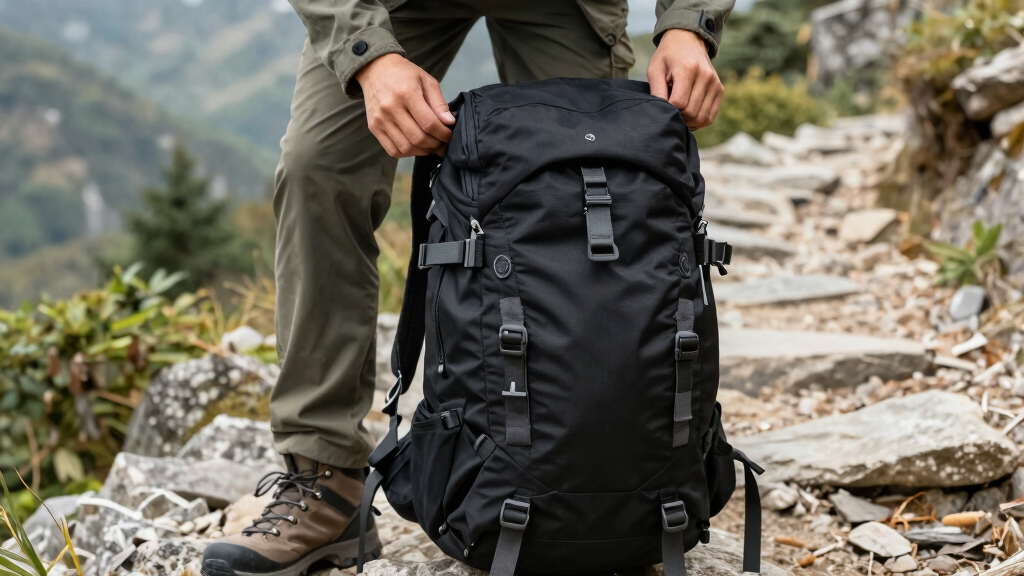
durable travel backpack with ballistic nylon
As an affiliate, we earn on qualifying purchases.
As an affiliate, we earn on qualifying purchases.
The Top Materials That Stand Up to Travel’s Toughest Tests
Choosing the right fabric is like picking armor for your backpack. Ballistic nylon and Cordura are the gold standards—both incredibly tear-resistant and tough against abrasion. Ripstop nylon, woven with a reinforcing thread grid, prevents tears from spreading, making it a favorite for outdoor adventurers.
For example, a backpack made with 1000D ballistic nylon can survive dragging over rough pavement and sharp rocks without ripping. These fabrics are engineered for longevity, but they also tend to be heavier. This tradeoff means you need to consider how much weight you’re willing to carry versus the level of protection required.
Recent innovations include eco-friendly recycled fabrics that meet high durability standards, offering both strength and sustainability. Water-resistant coatings, like TPU or DWR, turn a regular fabric into a rain shield—crucial for unpredictable weather. These coatings are essential because they extend the fabric’s life by preventing water from degrading the material over time, but they can wear off with rough use, so reapplication or choosing high-quality coatings matters.
Understanding these fabrics’ strengths and limitations allows you to select a backpack that balances durability with weight and environmental considerations. The right fabric choice can significantly influence your gear’s longevity, especially if you frequently travel through rugged environments.
It’s important to recognize that no fabric is perfect. Heavier fabrics like ballistic nylon offer exceptional durability but add weight, which can be a concern for long-distance travel or minimalist packing. Lighter fabrics, while easier to carry, may sacrifice some resilience. The recent innovations, such as recycled materials, also raise questions about whether sustainability compromises strength, but advancements have shown that eco-friendly options can match traditional fabrics in durability, offering a win-win for the environmentally conscious traveler.
How to Spot a Backpack Built to Last in 3 Simple Steps
- Check the material: Look for ballistic nylon, Cordura, or ripstop nylon tags on the label. Understanding the material helps you predict how well it will resist tears and abrasions in real-world use, which is critical if you’re carrying heavy or sharp items.
- Inspect the stitching: Reinforced, double-stitched seams prevent tearing. Tug a bit and see if it holds. Well-stitched seams distribute stress evenly, reducing the risk of failure at weak points. Poor stitching can unravel quickly under strain, so this is a key indicator of quality.
- Test the zippers and hardware: YKK zippers are the industry standard. Make sure they zip smoothly and feel sturdy. High-quality zippers are less likely to jam or break, which is vital for maintaining the integrity of your pack over years of use. Hardware like buckles and adjustment straps should also be robust, as they endure frequent manipulation.
Remember, investing a little extra upfront pays off. A $200 backpack with these features often outlasts cheaper options by years. It’s worth testing the zippers and seams in-store or reading detailed reviews online to confirm quality. Prioritizing these features ensures you’re choosing a backpack that can withstand the rigors of travel and last for many trips to come.
Compare Top Durable Travel Backpack Brands at a Glance
| Brand | Materials | Price Range | Key Features |
|---|---|---|---|
| Osprey | Ballistic nylon, ripstop nylon | $120-$300 | Reinforced seams, lifetime warranty |
| Patagonia | Recycled nylon, Cordura | $150-$350 | Eco-friendly, durable zippers |
| Thule | Ballistic nylon, waterproof fabrics | $180-$400 | Weather-resistant, tech-friendly |
| Arc’teryx | Ripstop nylon, Cordura | $250-$450 | Lightweight yet tough, sleek design |
These brands lead the pack in durability, each offering unique strengths. For instance, Osprey’s lifetime warranty gives peace of mind, while Patagonia’s eco-focus aligns with sustainability goals. When choosing among them, consider how the materials, warranty, and design features match your specific needs and travel environment. Remember, investing in a more durable brand may cost more upfront but can prevent costly replacements and repairs down the line, ultimately saving you time and money.
Recent Innovations Making Your Backpack Last Longer
New materials and designs are reshaping what durability means. Eco-friendly fabrics made from recycled plastics now meet high standards—no compromise on strength. Brands like Patagonia and Arc’teryx lead the way, blending sustainability with toughness. These innovations often involve advanced weaving techniques and coatings that improve resistance to water, tears, and abrasion, extending the life of your backpack even in the harshest conditions.
Technology also plays a role. Built-in USB charging ports, RFID-blocking pockets, and modular compartments add convenience and security without sacrificing durability. For example, a backpack with a waterproof zipper and a reinforced base can handle a downpour and rough terrain equally well. These features are designed not just for convenience but also to protect the integrity of your gear, reducing the need for repairs or replacements.
Ventilated back panels and lightweight frames are now standard, reducing sweat and strain during long days. These features make a huge difference on hikes or city tours that last hours. The integration of these innovations results in gear that is not only more durable but also more functional, helping you get the most out of your investment over many trips.
Understanding these innovations helps you make informed choices. For instance, opting for a backpack with a reinforced base and water-resistant zippers can mean the difference between a bag that lasts a few seasons and one that endures for years. The continuous development of materials and features ensures that today’s backpacks are more resilient, versatile, and suited to demanding travel conditions than ever before.
Caring for Your Backpack: How to Make It Last a Decade
Even the toughest backpack needs TLC. Think of it as a relationship—regular maintenance keeps it strong. Clean it with a damp cloth and mild soap after muddy adventures. Avoid overloading—exceeding weight limits stresses seams and zippers.
Store it in a dry, cool place away from direct sunlight. For example, during off-season, hanging it in a closet prevents fabric from sagging or cracking. Repair small tears early—many brands offer patch kits or repair services. Regular inspections of zippers, straps, and seams can catch issues before they become major problems, saving you money and extending the lifespan.
Proper maintenance prolongs your backpack’s life by preventing common issues such as fabric degradation, zipper failure, or seam unraveling. It also helps maintain its appearance and functionality, ensuring your gear remains reliable for years. The effort invested in regular care is minimal compared to the cost and inconvenience of replacing a worn-out bag prematurely. Remember, a well-maintained backpack is less likely to develop costly defects and can serve you well through countless adventures.
The Real Cost of a Durable Backpack: Is It Worth It?
Durable backpacks typically cost between $100 and $300. While it might seem pricey initially, think of it as an investment. A sturdy pack can last 5-10 years, saving you money in replacements. Cheaper options may fail after just a year or two, leading to repeated purchases that add up over time.
For example, a $200 backpack that lasts a decade ultimately costs less per year than buying multiple cheaper bags that wear out quickly. This long-term perspective emphasizes the value of investing in quality, especially if you travel frequently.
Plus, a durable pack protects your gear better, reducing worries about tears, rain damage, or broken zippers. When you consider the peace of mind and the convenience of fewer repairs, paying more upfront becomes a logical choice for serious travelers.
It’s important to weigh the initial cost against the potential savings over time. While a high-quality backpack might seem expensive at first, its ability to withstand the rigors of travel and reduce replacement costs makes it a smarter financial decision. Additionally, investing in a reputable brand often means better warranty support and customer service, which adds to its overall value.
Frequently Asked Questions
What is the most durable material for travel backpacks?
Ballistic nylon, Cordura, and ripstop nylon stand out for their strength and tear resistance. These fabrics are designed to withstand rough handling, abrasion, and harsh weather, making them ideal for long-lasting travel gear.How do I choose a backpack that balances durability and weight?
Look for high-strength, lightweight materials like ripstop nylon or recycled fabrics. Check the overall weight of the backpack and consider your travel needs—lighter packs are easier to carry but shouldn’t compromise on strength.Are waterproof backpacks worth the extra cost?
Absolutely, especially if you often travel in rainy climates or outdoor environments. Waterproof fabrics and sealed zippers protect your gear from water damage, saving you from soggy clothes or electronics.What features should I prioritize for long-term durability?
Reinforced stitching, high-quality zippers (like YKK), water-resistant coating, sturdy straps, and a solid frame are key features that help your backpack last years of frequent use.How do I maintain and care for my durable backpack?
Clean it regularly with a damp cloth, avoid overloading, store it in a dry place, and repair small tears promptly. Proper care keeps your backpack looking good and functioning well for many years.Conclusion
Choosing a durable travel backpack isn’t just about picking a tough fabric; it’s about smart design, quality construction, and ongoing care. Think of your backpack as a long-term partner—worthy of investment and respect.
When you invest in the right gear, your trips become smoother, your belongings safer, and your adventures more enjoyable. So go for quality, and your backpack will carry you through countless journeys—rain, dirt, or exhaustion—without skipping a beat.
Fall Picks
fall essentials
As an affiliate, we earn on qualifying purchases.