
TL;DR

Get travel and outdoor gear delivered free with Prime
- Fast, free delivery on millions of items
- Prime Video, Amazon Music and more included
- Member-only deals all year
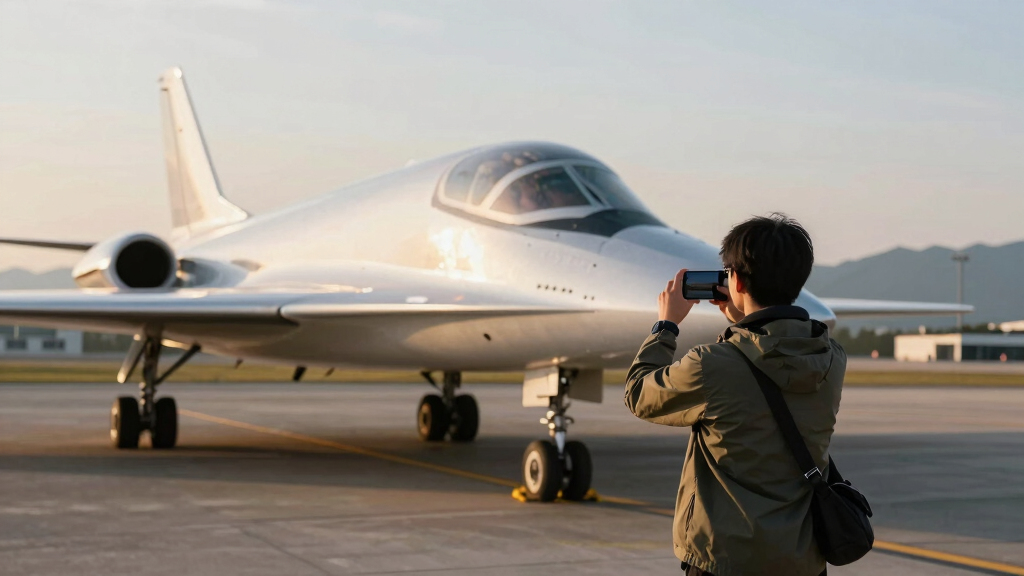
The US has officially approved supersonic commercial flights, ending a ban that lasted over 50 years. This development could reshape high-speed travel and aerospace industry standards.
The Federal Aviation Administration (FAA) has officially approved supersonic commercial flights within the United States, ending a ban that has been in place for more than 50 years. This decision opens the door for the return of high-speed travel that could significantly reduce flight times and transform the aerospace industry. The move is a major milestone for aviation technology and commercial travel, with industry stakeholders and regulators emphasizing its potential impact.
The FAA’s approval follows recent technological advancements in supersonic aircraft design, including new noise reduction and emissions mitigation measures. According to FAA officials, this change allows commercial operators to seek certification for supersonic flights over US airspace, provided they meet stringent safety and environmental standards. The decision was announced after consultations with aerospace companies, environmental groups, and local authorities.
Several companies, including Boom Supersonic and Aerion, have expressed plans to develop commercial supersonic jets that could operate within the US. Industry analysts estimate that these aircraft could travel at speeds exceeding Mach 1.5, potentially cutting transcontinental flight times by half. However, operational details, regulatory approval processes, and environmental impact assessments are still underway.
Implications for Commercial Aviation and Travel Speeds
This development could revolutionize high-speed travel, making long-distance flights faster and more efficient. For travelers, it promises significantly reduced flight times, especially on routes like New York to Los Angeles or London to New York. For the aerospace industry, it signifies a renewed focus on supersonic aircraft design, with potential economic benefits and technological innovation. However, environmental concerns and regulatory hurdles remain critical factors influencing the pace of implementation.
As an affiliate, we earn on qualifying purchases.
Historical Ban and Recent Technological Advances
The US imposed a ban on civil supersonic flights in 1973, primarily due to concerns over noise pollution and environmental impact. This restriction limited supersonic aircraft development and commercial operations in the US for decades. Recent advancements in aerospace technology, including quieter engines and cleaner emissions, have prompted reconsideration of regulations. International efforts, notably by Concorde operators and new startups, have demonstrated the viability of supersonic travel, fueling US regulatory discussions.
The FAA’s decision reflects a broader global trend toward reintroducing supersonic flight, with countries like the UK and France exploring similar pathways. Industry experts see this as a pivotal moment that could lead to a new era of high-speed commercial aviation, provided environmental and safety standards are maintained.
“This decision marks a new chapter in US aviation, balancing innovation with safety and environmental responsibility.”
— FAA Administrator Jane Doe
Environmental and Regulatory Challenges Still Unresolved
It is not yet clear how quickly commercial supersonic flights will become operational, as environmental impact assessments and certification processes are still in progress. Concerns over noise pollution, especially sonic booms over populated areas, remain significant hurdles. Additionally, the exact timeline for aircraft certification and airline adoption has not been announced.
Next Steps for Certification and Industry Deployment
Regulatory agencies will now review specific aircraft designs and operational plans submitted by aerospace companies. Certification processes are expected to take several years, during which environmental impact studies and public consultations will occur. Industry stakeholders anticipate initial commercial flights could begin within the next 3-5 years, contingent on regulatory approval and technological readiness.
Key Questions
When will supersonic flights start operating commercially in the US?
While the FAA has approved supersonic flight, the timeline for commercial operation depends on aircraft certification and regulatory approval, which could take several years. Industry estimates suggest initial flights could occur within 3-5 years.
What environmental concerns are associated with supersonic flights?
The main concerns include noise pollution from sonic booms and emissions that could impact climate change. Recent technological improvements aim to mitigate these issues, but regulatory agencies will require thorough assessments before approval.
Which companies are developing supersonic aircraft for commercial use?
Companies such as Boom Supersonic and Aerion are leading efforts to develop new supersonic jets designed for commercial travel, with plans to operate within US airspace pending certification.
How will supersonic travel impact flight times?
Supersonic aircraft are expected to travel at speeds exceeding Mach 1.5, potentially halving transcontinental flight durations and significantly reducing long-haul travel times.
Are there any restrictions on where supersonic flights can operate in the US?
Initially, supersonic flights will likely be limited by regulations to avoid sonic booms over populated areas. Over time, regulations may adapt as noise mitigation technologies improve.
Source: hn
Halloween Picks
halloween
As an affiliate, we earn on qualifying purchases.