When visiting UNESCO World Heritage Sites, you should respect local customs, follow all site rules, and stick to designated paths to protect fragile features. Support local communities by purchasing authentic crafts and using authorized guides. Minimize environmental impacts by managing waste and choosing eco-friendly transport. Digital tools and guided tours can enhance your experience and understanding while reducing physical strain on the sites. If you keep exploring, you’ll discover more ways to enjoy these treasures responsibly.
Key Takeaways
- Follow site rules, stay on designated pathways, and avoid touching artifacts to protect fragile environments.
- Support local communities by purchasing authentic crafts and hiring authorized guides during your visit.
- Use eco-friendly transportation, carry out waste, and minimize noise to reduce environmental impact.
- Engage with digital tools and virtual tours to learn about UNESCO sites responsibly and reduce physical footfall.
- Plan visits in advance using online resources, and promote awareness to ensure sustainable preservation for future generations.
Understanding the Significance of UNESCO World Heritage Sites

Understanding the importance of UNESCO World Heritage Sites helps you appreciate why they are essential to our shared human and natural history. These sites represent the world’s most valuable cultural and natural treasures, embodying human creativity, history, and ecological significance. They serve as tangible links to past civilizations, artistic achievements, and natural wonders, fostering a sense of global identity and responsibility. By protecting these sites, we preserve stories that define our collective heritage and ensure future generations can experience them firsthand. UNESCO’s recognition highlights their universal value, encouraging international cooperation for conservation. Visiting these sites with respect helps maintain their integrity, allowing everyone to learn, reflect, and celebrate the diverse legacy of humanity and nature. The role of contrast ratio in visual presentation underscores how clarity and depth enhance our appreciation of these treasures, both in photography and preservation efforts.
How to Choose Responsible and Respectful Visits

When planning a visit to a UNESCO World Heritage Site, it is vital to prioritize responsible and respectful behavior to help preserve the site’s integrity. Your choices as a visitor can directly impact the preservation and local communities. To guarantee respectful visits, always follow site rules and avoid touching or removing artifacts. Plan ahead by learning about the site’s cultural and environmental significance. Support local economies by using authorized guides and buying locally-made crafts. Remember to:
Respect site rules, learn about its significance, support locals, and minimize impact to preserve UNESCO World Heritage Sites.
- Stick to designated pathways to protect fragile environments
- Minimize waste and carry out your trash
- Use low-impact transportation options whenever possible
- Educate yourself on the importance of cultural preservation to fully appreciate the significance of the site.
Being mindful of your actions helps maintain these treasures for future generations and shows respect for the cultures and ecosystems they represent.
Preserving Cultural Integrity During Your Travel
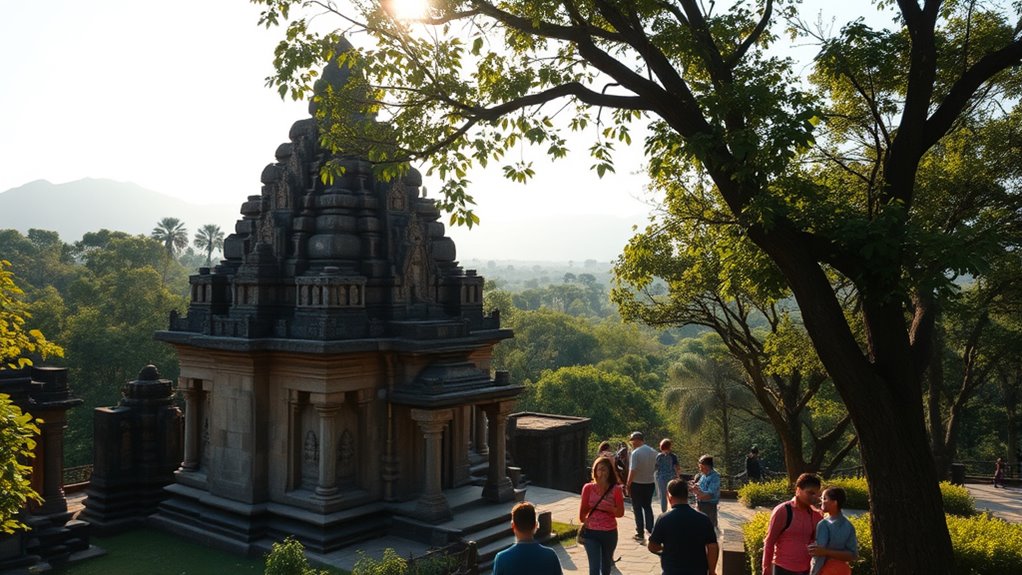
Respectful travel not only helps protect the environment and artifacts but also safeguards the cultural essence of the sites you visit. To preserve cultural integrity, follow all site rules and respect local customs. Avoid touching or removing artifacts, as even small actions can cause damage or loss of historical value. Stay on designated paths to prevent erosion or accidental harm to structures. Engage with local guides who can share authentic stories and insights, fostering a deeper understanding of the site’s significance. Be mindful of your behavior—refrain from loud noises or disruptive activities that can diminish the experience for others. Supporting local communities by purchasing authentic crafts or dining at locally owned establishments also helps sustain the cultural fabric of the area. Proper storage of artifacts and respecting preservation guidelines are essential for maintaining the site’s integrity. Your responsible actions ensure these treasures can be appreciated for generations.
Minimizing Environmental Impact at Natural and Mixed Sites
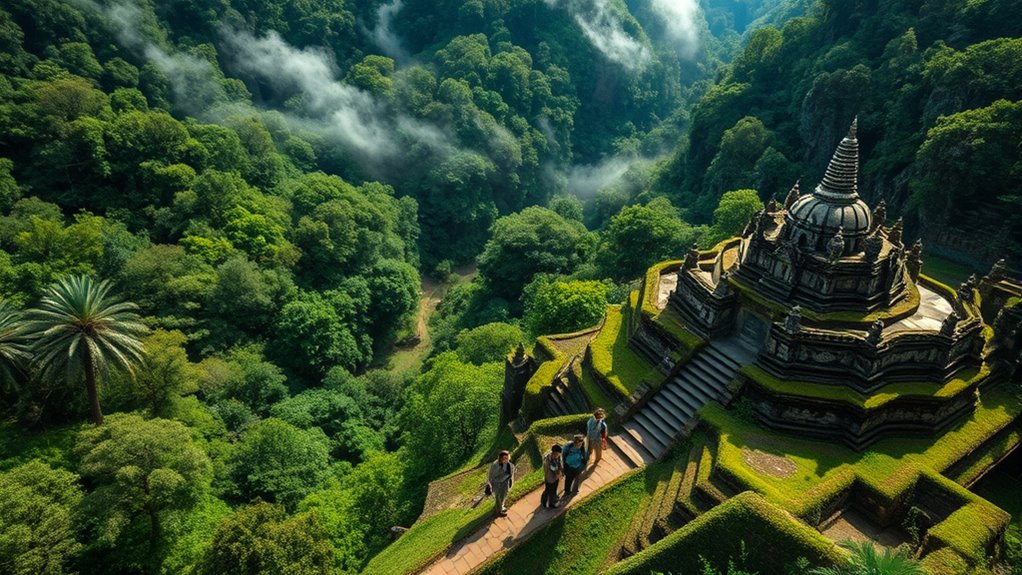
You can help protect natural and mixed UNESCO sites by practicing sustainable visitor habits, like sticking to designated paths and minimizing waste. Using preservation-focused infrastructure, such as eco-friendly trails and waste management systems, also reduces environmental strain. Your choices directly support conservation efforts and guarantee these sites remain resilient for future generations. Incorporating environmental preservation practices ensures the longevity of these treasured locations.
Sustainable Visitor Practices
How can visitors minimize their environmental impact at natural and mixed UNESCO World Heritage Sites? You can start by sticking to designated paths to prevent erosion and habitat disturbance. Avoid touching or removing plants, rocks, or artifacts to preserve the site’s integrity. Also, carry out all waste, including biodegradable items, to reduce pollution. Supporting local conservation efforts by choosing eco-friendly transportation options and using reusable supplies helps protect fragile ecosystems.
- Stay on marked trails to avoid damaging sensitive environments
- Limit noise to prevent disturbing wildlife
- Use eco-friendly transportation and reduce carbon footprint
Preservation-Focused Infrastructure
Implementing preservation-focused infrastructure at natural and mixed UNESCO World Heritage Sites is essential for minimizing environmental impact. You should support eco-friendly pathways, sustainable visitor centers, and low-impact transportation options that reduce pollution and habitat disturbance. Installing renewable energy sources, such as solar panels, helps lower carbon footprints, while natural drainage systems prevent erosion and protect ecosystems. Proper waste management is critical; encourage recycling and minimal waste production. You can also promote the use of environmentally sensitive materials in construction, avoiding plastics and non-biodegradable materials. Maintaining buffer zones around sensitive areas prevents over-visitation and habitat degradation. Additionally, energy-efficient lighting can significantly reduce energy consumption and light pollution at these sites. By prioritizing these measures, you help ensure that sites retain their integrity for future generations while allowing visitors to appreciate their beauty responsibly.
Supporting Local Communities and Economies
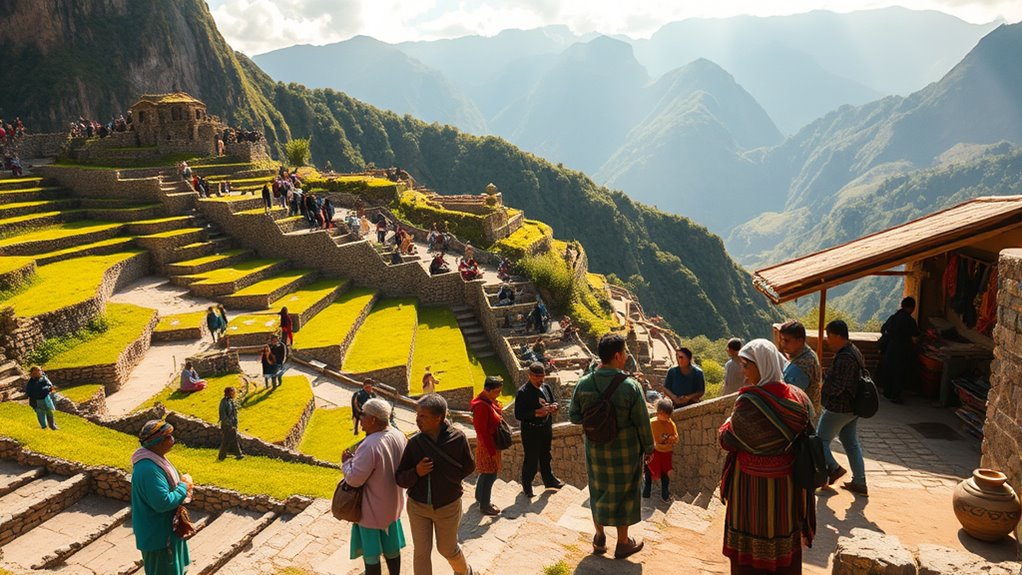
Supporting local communities and economies is essential to ensuring the sustainable preservation of World Heritage Sites. When communities benefit from tourism, they’re more likely to protect and maintain their cultural and natural treasures. Your responsible visits can directly support local livelihoods, from guides and artisans to small businesses. This creates a positive cycle that encourages ongoing conservation efforts. Engaging with local economic activities can further enhance the positive impact of your visit.
Best Practices for Navigating and Exploring Heritage Sites

To make the most of your visit to a UNESCO World Heritage Site, it’s important to follow best practices for traversing and exploring the area. Stick to designated pathways to protect fragile structures and natural landscapes. Respect signage and barriers—these are in place to safeguard the site’s integrity. Avoid touching artifacts or historical features, as oils and dirt can cause deterioration. Keep noise levels down to maintain a respectful atmosphere for other visitors and local communities. Minimize waste by carrying out trash and refilling water bottles instead of buying new ones. Use authorized guides or information resources to learn about the site’s significance without disturbing its authenticity. Being mindful of your impact helps ensure these treasures remain preserved for future generations. Incorporating visitor awareness and responsible behavior is essential for maintaining the sustainability of heritage sites worldwide.
The Role of Digital Tools and Guided Tours in Enhancing Experience
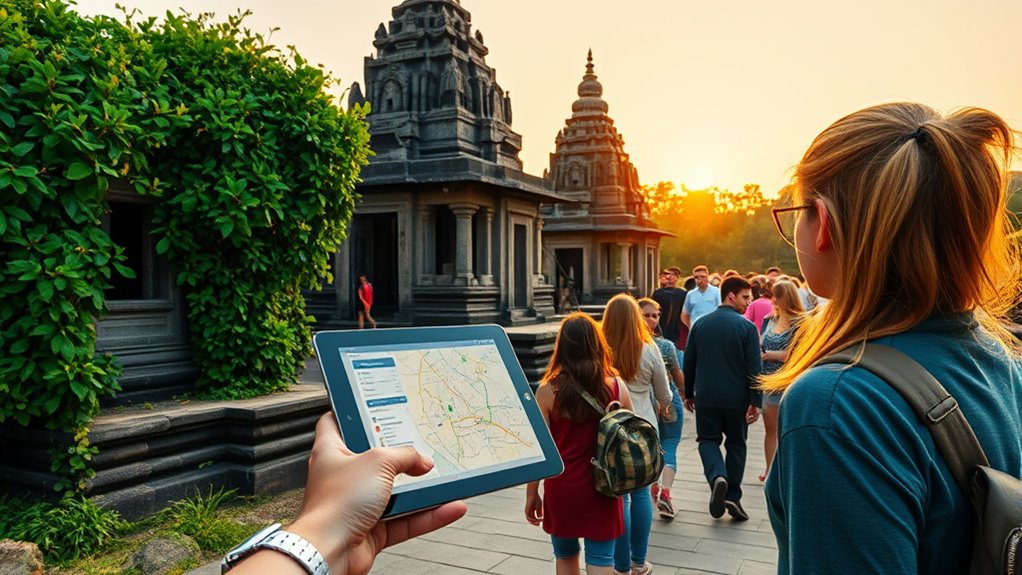
Digital tools like interactive guides and virtual tours are transforming how you experience heritage sites. They provide in-depth insights and engaging visuals that bring history and natural beauty to life. By using expert-led virtual tours, you can explore these sites more deeply, even from afar. Additionally, understanding store hours can help plan visits more effectively, ensuring you make the most of your experience.
Interactive Digital Guides
Interactive digital guides have transformed the way visitors experience UNESCO World Heritage Sites by providing immersive, informative, and accessible content at your fingertips. These tools enhance your understanding by offering detailed histories, cultural insights, and visual reconstructions right on your device. They often include multimedia elements like videos, images, and audio, making the experience more engaging. You can explore sites at your own pace, access multilingual content, and receive tailored recommendations for must-see areas. This personalization helps you connect more deeply with the site’s significance. Additionally, digital accessibility ensures that everyone, regardless of abilities, can enjoy and learn from these cultural treasures.
Expert-Led Virtual Tours
Have you ever wondered how technology can immerse your connection with world heritage sites? Expert-led virtual tours make this possible. They combine high-quality video, immersive 3D models, and live guidance from specialists to bring sites to life from anywhere. These tours enhance understanding, offering detailed insights you might miss on your own. They also foster responsible tourism, reducing physical impact while still delivering rich experiences. Here’s a quick look at some features:
| Feature | Benefit |
|---|---|
| Live Expert Guides | Real-time interaction, personalized questions |
| 360° Virtual Environments | Fully immersive, panoramic exploration |
| Interactive Elements | Deep explorations into history, architecture, and artifacts |
| Multi-language Support | Accessible for global audiences |
Expert-led virtual tours bridge distance and enhance your appreciation for heritage treasures, promoting responsible tourism that respects and preserves these invaluable sites.
Contributing to Conservation and Sustainable Tourism Efforts
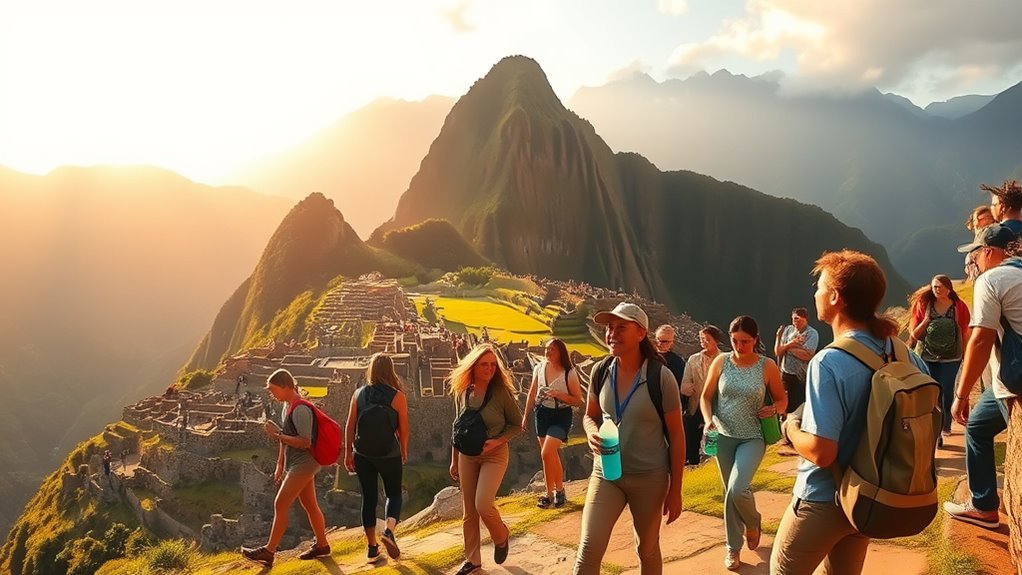
Contributing to conservation and sustainable tourism efforts is essential for preserving UNESCO World Heritage Sites for future generations. Your actions can make a real difference in protecting these treasures. By supporting responsible tourism, you help reduce environmental impact and ensure the sites remain intact. Engaging with local communities fosters a shared sense of stewardship and promotes sustainable practices. Additionally, spreading awareness about the importance of preservation encourages others to act responsibly.
- Follow site rules to avoid damage and respect restricted areas
- Use eco-friendly transportation options to lower your carbon footprint
- Purchase locally-made crafts and hire authorized guides to support local economies
Your mindful choices help balance visitor enjoyment with conservation needs, ensuring these sites continue to inspire and educate future visitors worldwide.
Frequently Asked Questions
How Can Visitors Identify and Avoid Areas at Risk of Damage?
You can identify and avoid areas at risk of damage by following posted signs, guidelines, and barriers set by site authorities. Pay attention to visitor information and stay on designated paths to prevent erosion or harm to fragile structures. Respect restricted zones and avoid touching or climbing on artifacts. Supporting local guides and educational programs also helps you learn which areas need preservation, ensuring your visit doesn’t inadvertently cause damage.
What Are the Best Ways to Learn About a Site’s History Responsibly?
Imagine opening a dusty, ancient book filled with stories—you’ll want to read carefully and respectfully. To learn about a site’s history responsibly, start by engaging with official guides, museum exhibits, or reputable sources. Listen actively, ask questions, and avoid rushing. Use digital resources or interpretive signs on-site for deeper understanding. Respect the site’s integrity, so future visitors can also enjoy and learn from its stories.
How Can Travelers Reduce Their Carbon Footprint When Visiting Heritage Sites?
You can reduce your carbon footprint by choosing eco-friendly transportation options like trains or bikes instead of cars or planes. Walk whenever possible to explore the site, and support local guides and businesses that prioritize sustainability. Bring reusable water bottles and avoid single-use plastics. Respect designated pathways to minimize environmental impact, and opt for accommodations committed to green practices. These actions help protect heritage sites for future generations while enjoying your visit.
In What Ways Can Tourists Support Local Artisans and Businesses Sustainably?
You can turn your visit into a gift for local artisans and businesses by choosing authentic crafts and products. Support them by buying directly from local markets or workshops, where your purchase becomes a seed of sustenance. Share their stories and spread word-of-mouth praise, weaving their crafts into your travel tale. Every dollar becomes a brushstroke painting a sustainable future, ensuring their traditions thrive amidst the rhythm of your journey.
How Do Digital Tools Help in Managing and Protecting UNESCO Sites?
Digital tools help you manage and protect UNESCO sites by providing detailed maps, virtual tours, and interactive information that educate visitors about site significance and preservation needs. When you use these tools, you’re guided to stay on designated paths, avoid sensitive areas, and minimize environmental impact. They also facilitate real-time monitoring and reporting of issues, enabling faster response and better conservation efforts. Embracing these technologies guarantees your visit supports sustainable site protection.
Conclusion
By visiting UNESCO World Heritage Sites responsibly, you become part of a global effort to preserve these treasures for future generations. When you respect local customs, minimize your impact, and support communities, you help turn every trip into a meaningful experience. Sometimes, it’s funny how a simple act like choosing a local guide can deepen your connection to a place. Remember, your mindful travel not only enriches your journey but also keeps these wonders alive for others to enjoy.