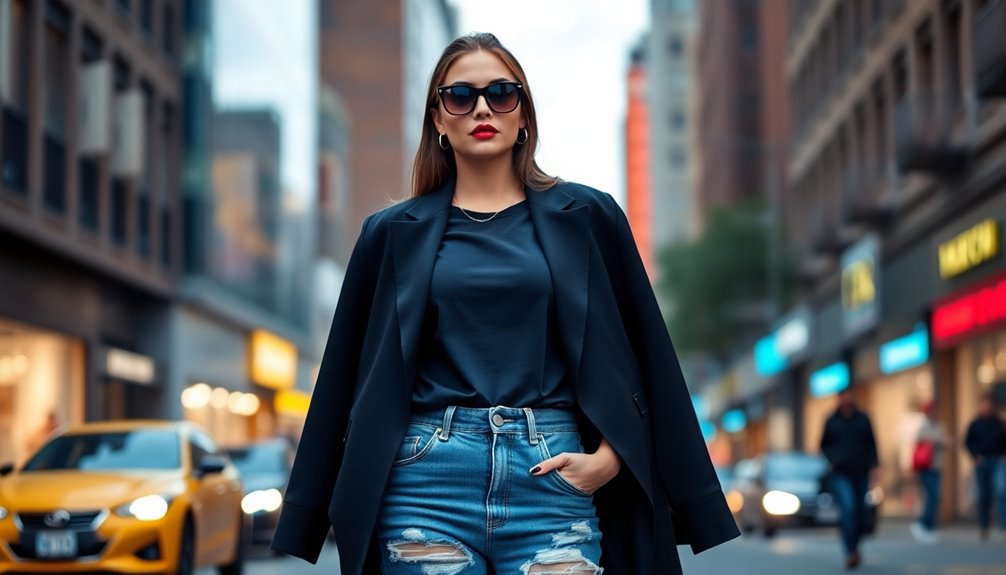


Have you ever wondered how fast fashion keeps millions of wardrobes stocked with the latest trends? It’s a massive industry, worth around $148 billion in 2024, and expected to nearly double to $318 billion by 2032. If you’re someone who loves staying current without breaking the bank, you’re part of a global movement driven by rapid development and consumer demand.
The Asia Pacific region dominates this market, holding about 35%, thanks to increasing disposable incomes and the ease of accessing new styles. Big brands like Zara, H&M, Shein, Fast Retailing, and Aditya Birla lead the charge, constantly updating their offerings to keep you excited and engaged.
Fast fashion’s secret lies in its rapid trend cycles. Gone are the days when fashion changed twice a year; now, brands release over 52 micro-seasons annually. That means new collections drop weekly, often within days of spotting a trend. You get to see fresh styles almost every time you scroll through your favorite brands’ websites or social media pages.
To make this possible, brands have accelerated their supply chains and production processes, ensuring they respond quickly to real-time consumer behavior and digital trends. This rapid turnaround keeps your wardrobe fresh, constantly evolving with the latest styles and influences.
But this constant churn comes with serious environmental concerns. Fast fashion contributes roughly 10% of global carbon emissions, producing over 1.2 billion tons of greenhouse gases annually. It also consumes about 141 billion cubic meters of water each year and is responsible for around 35% of microplastics pollution in our oceans. The industry’s environmental impact is a growing concern among consumers and policymakers alike, prompting calls for more sustainable practices. AI technologies are increasingly being deployed to address these challenges, aiming to streamline production and reduce waste.
The short life cycle of garments means tons of waste, and synthetic fibers shed microplastics that harm marine ecosystems. Despite the glitz and affordability, fast fashion’s environmental toll is undeniable, making it a double-edged sword for consumers like you who want trendy looks but also care about the planet.
Consumer habits are shifting, yet many still opt for lower-cost fashion due to inflation and economic uncertainty. Over 75% of shoppers choose fast fashion brands for affordability, even as awareness about sustainability rises.
Brands respond by combining low prices with rapid style turnover, ensuring you can update your wardrobe frequently without spending a fortune. The market continues to grow because consumers want variety and instant gratification, often sacrificing environmental or ethical concerns for convenience.
Behind the scenes, the industry faces ethical challenges, especially regarding social and labor conditions. Many workers in Asia Pacific factories endure long hours for low wages, with transparency issues lingering despite increasing demands for fair labor practices.
Meanwhile, technological innovations like AI-driven design, blockchain traceability, and virtual try-ons help brands stay competitive and cater to your desire for instant style solutions. With thousands of new products daily and diverse options ranging from casual to formal wear, fast fashion keeps your options plentiful.
This constant flow of new styles lets you look more put-together instantly, satisfying your craving for trendiness with minimal effort.

Anker SOLIX C1000 Gen 2 Portable Power Station, 2,000W (Peak 3,000W) Solar Generator, Full Charge in 49 Min, 1,024Wh LiFePO4 Battery for Home Backup, Power Outages, and Camping (Optional Solar Panel)
49 Min UltraFast Recharging: With upgraded HyperFlash tech, fully recharge at 1,600W—for outage prepping, camping trips, or tailgating...
As an affiliate, we earn on qualifying purchases.

Feelfunn 8000 BTU Portable Air Conditioner, 3-in-1 Cools 350 Sq.Ft, Quiet AC with Fan & Dehumidifier, LED Display, Remote, 24H Timer, Window Kit, for Bedroom/Office/Dorms
【8000 BTU Fast Cooling】Powerful 8000 BTU ASHRAE (5000 BTU SACC) portable air conditioner cools bedrooms, living rooms, offices,...
As an affiliate, we earn on qualifying purchases.

BLACK+DECKER Smart Portable Air Conditioner, 12,000 BTU for Rooms up to 550 Sq. Ft., Smart Portable AC with Follow Me Remote and Window Kit, BPACT12WT, White
Three-in-One Unit: Our 12,000 BTU air conditioner also functions as a dehumidifier & fan. This portable air conditioner...
As an affiliate, we earn on qualifying purchases.

Breville Barista Express Espresso Machine BES870XL, Brushed Stainless Steel
The Breville Barista Express delivers third wave specialty coffee at home using the 4 keys formula and is...
As an affiliate, we earn on qualifying purchases.