Ancient beauty rituals across cultures focus on spiritual symbolism, natural ingredients, and holistic techniques. From honey and turmeric to herbal infusions, these practices emphasize harmony between body, mind, and spirit. Deities and mythology influence beauty standards, inspiring adornment and grooming methods. Today’s skincare products incorporate these timeless elements, blending tradition with modern science. If you stay curious, you’ll discover how these age-old habits continue to shape contemporary beauty routines worldwide.
Key Takeaways
- Ancient beauty rituals varied globally, often linked to spiritual beliefs, deities, and cultural symbolism, emphasizing harmony between body and spirit.
- Natural ingredients like honey, turmeric, and plant extracts were universally used for skincare, haircare, and cosmetic purposes.
- Techniques such as massage, steaming, and natural dyeing played integral roles in traditional beauty practices.
- Deities like Hathor, Aphrodite, and Lakshmi influenced beauty ideals and rituals across civilizations.
- Modern skincare adopts ancient ingredients and methods, blending tradition with innovation for holistic self-care.

Natural Chemist Collagen & Manuka Honey Sheet Face Mask – Anti-Aging, Hydrating, Skin Firming, Reduces Fine Lines, Dermatologist Tested, Cruelty Free Korean Skin Care For All Skin Types – 5 Masks
INTENSE HYDRATION: Our Facial Sheet Mask with Collagen and Manuka Honey provides deep hydration, leaving your skin moisturized,…
As an affiliate, we earn on qualifying purchases.
As an affiliate, we earn on qualifying purchases.
The Role of Spirituality and Religion in Ancient Beauty Practices

Spirituality and religion deeply influenced ancient beauty practices, shaping the ways you viewed and enhanced your appearance. In many cultures, beauty was seen as a reflection of divine favor or spiritual purity. For example, Egyptians used makeup like kohl eyeliner to honor gods and protect their eyes from evil spirits. Cleopatra’s milk baths weren’t just for skin—they symbolized divine renewal and goddess-like beauty. Similarly, Greek and Roman practices linked beauty to divine ideals, associating pale skin and flawless features with gods and goddesses. In India, Ayurveda’s holistic approach saw beauty as harmony between body, mind, and spirit, emphasizing natural remedies rooted in spiritual well-being. Across cultures, beauty rituals served as acts of devotion, spiritual cleansing, and expressions of divine connection. Recent advancements in natural healing techniques continue to influence modern beauty routines by emphasizing holistic wellness and spiritual harmony.
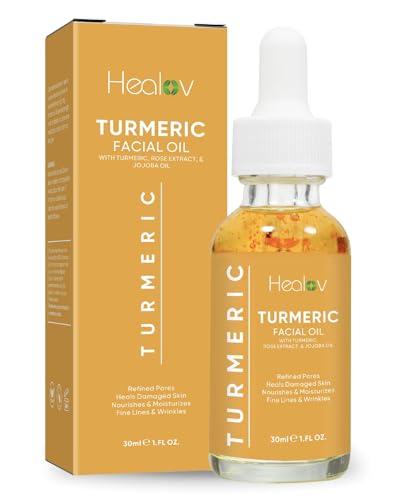
Turmeric Oil for Face & Body – All Natural Turmeric Skin Brightening Oil for Dark Spots – Cleanses Skin, Fights Acne, Evens Tone, Scars – Pure Turmeric Oil Skincare Treatment for All Skin Types
BRIGHTENS & REFRESHES SKIN: Turmeric oil helps improve the appearance of dark spots, age spots, uneven tone &…
As an affiliate, we earn on qualifying purchases.
As an affiliate, we earn on qualifying purchases.
Natural Ingredients and Their Healing Properties Across Cultures
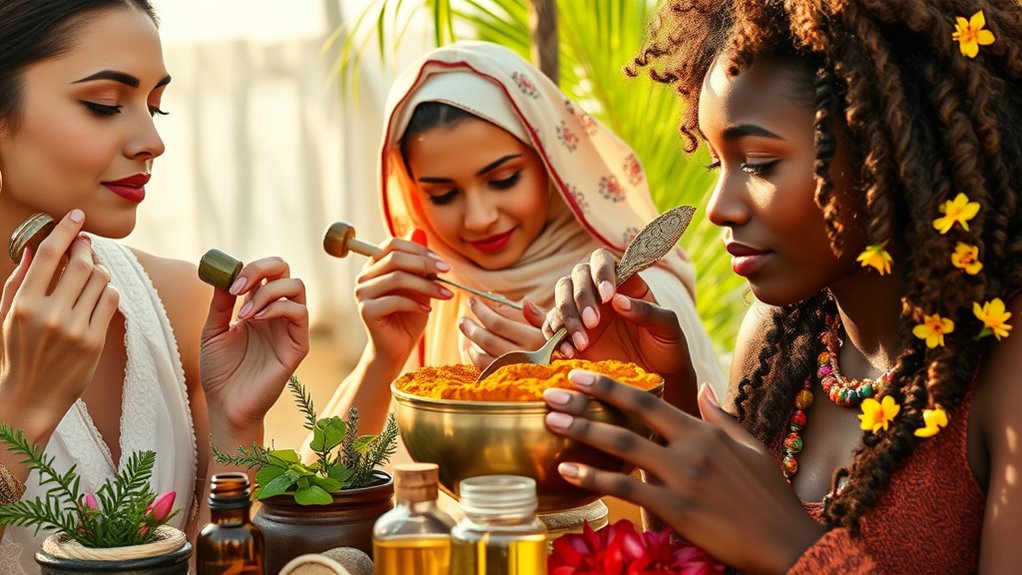
Throughout history, cultures have harnessed natural ingredients not only for their beauty-enhancing qualities but also for their healing properties. You’ll find honey valued worldwide for its antibacterial and moisturizing effects, helping wounds heal and skin glow. Turmeric, used in Indian traditions, offers anti-inflammatory and antioxidant benefits, reducing redness and promoting a radiant complexion. In Egypt, fermented milk baths provided lactic acid that exfoliates and repairs skin, while olive oil in Greece and Rome nourished and protected against sun damage. Argan oil, from Morocco, delivers antioxidants and essential fatty acids to combat dryness and aging. Natural pigments like galena in Egypt and iron oxides in Greece served as both cosmetics and medicinal tools, supporting skin health while enhancing beauty. Additionally, regulatory compliance ensured the safe use of these ingredients across different cultures, reflecting a sophisticated understanding of nature’s healing potential.
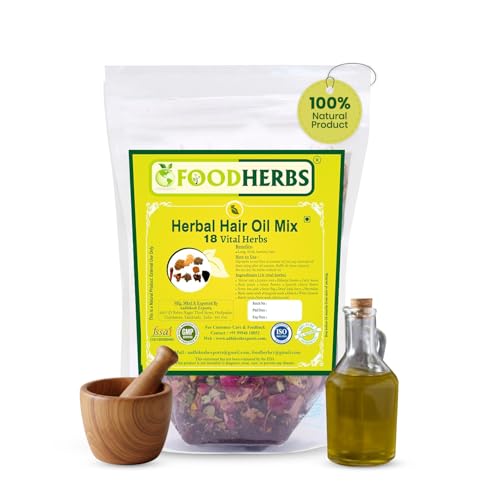
Foodherbs Premium Herbal Hair Oil Mix with 18 Ayurvedic Herbs for Natural Growth | 2x Long Hair | Strong Roots | Fuller Volume | Shiny Healthy Strands | DIY Oil Infusion | Hair Care | Thanks Giving
For Long, Thick, and Lustrous Hair – Foodherbs Herbal Hair Oil Mix is an excellent alternative to all…
As an affiliate, we earn on qualifying purchases.
As an affiliate, we earn on qualifying purchases.
Traditional Techniques for Hair and Skin Care
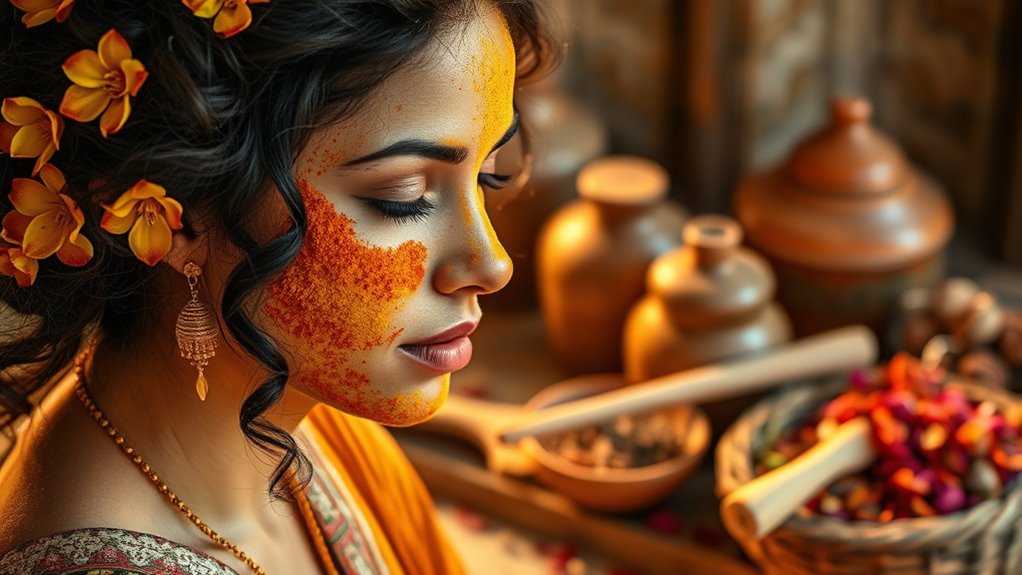
You can see how ancient cultures used natural ingredients like honey, milk, and plant extracts for skin nourishment and healing. They also developed unique hair removal techniques such as sugaring and threading to maintain beauty standards. Exploring these traditional methods reveals timeless practices that combined effectiveness with cultural significance. Additionally, the use of vintage and antique furnishings in decor reflects an appreciation for timeless beauty and craftsmanship that has persisted through centuries.
Natural Ingredients and Methods
Ancient civilizations relied on natural ingredients and traditional techniques to care for hair and skin, harnessing the power of locally sourced plants, minerals, and animal products. You might have used honey and milk for moisturizing and healing, or applied turmeric for its anti-inflammatory and brightening effects. Neem and herbal oils served to detoxify and nourish your skin and scalp. Argan oil, extracted through traditional cold-pressing, protected your hair and skin from harsh climates. Natural pigments like iron oxides and galena ore provided colorful, safe cosmetics. Sugaring and plant-based waxes offered gentle hair removal options. These methods prioritized sustainability and effectiveness, emphasizing harmony with nature. Additionally, studies show that optimal angles for pinball machines can significantly enhance gameplay performance and longevity game mechanics. By embracing these ingredients and techniques, you contributed to ancient beauty routines that balanced health, beauty, and well-being.
Cultural Hair Removal Techniques
Cultural hair removal techniques have long been an integral part of beauty routines across civilizations, emphasizing natural methods that align with holistic wellness. You might have used sugaring, where a sugar paste is applied against the hair growth and then quickly removed, pulling hairs from the root. In ancient Egypt, women used tweezing and threading to shape eyebrows and remove facial hair, often with fine metal tools or plant fibers. The Greeks and Romans favored depilatory creams made from natural ingredients like honey and olive oil, while waxing with beeswax became popular in later periods. In India, the art of threading evolved, using cotton threads to precisely remove unwanted hair. These methods highlight a rich history of eco-friendly, effective practices rooted in tradition and self-care.

RITUALS Karma Giftset Body Cream 2.36 oz, Body Oil 1 oz, Foaming Shower Gel 1.7 oz, Cooling Shower Gel 1.7 oz
Luxurious Rituals Gift Set: Indulge in the ultimate pampering experience with this exclusive rituals cosmetics gift set, featuring…
As an affiliate, we earn on qualifying purchases.
As an affiliate, we earn on qualifying purchases.
The Influence of Mythology and Deities on Beauty Standards
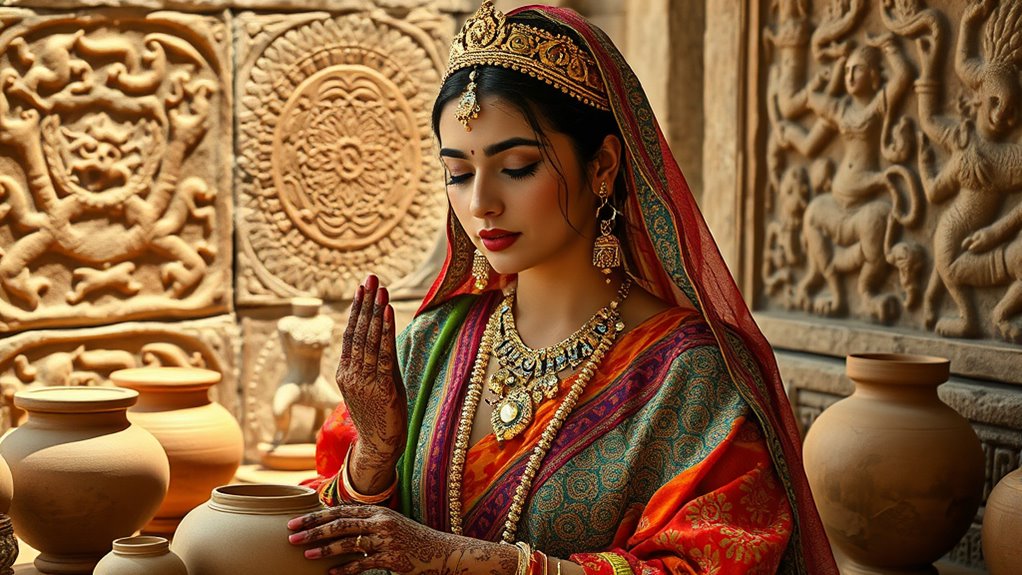
Mythology and deities have profoundly shaped beauty standards throughout history, as societies often looked to divine figures for ideals of perfection. You can see this influence in ancient Egypt, where gods like Hathor symbolized beauty, encouraging women to emulate divine grace through makeup and adornment. In Greece, Aphrodite’s allure set standards of femininity, inspiring beauty rituals centered on harmony, youthfulness, and sensuality. The Romans revered gods like Venus, linking divine beauty to physical appearance and social status. Indian mythology elevates deities like Lakshmi, emphasizing radiant skin and grace as divine qualities. These myths reinforced the importance of beauty as a reflection of spiritual and cultural ideals, guiding personal grooming, cosmetics, and rituals that aligned mortal beauty with divine perfection. Additionally, modern AI-driven analyses are used to understand and propagate these traditional beauty ideals through technology, bridging ancient symbolism with contemporary standards.
From Ancient Rituals to Modern Skincare: Bridging Past and Present

Modern skincare seamlessly integrates centuries-old wisdom with current scientific advances, creating a bridge between past rituals and today’s routines. You can see this in how ancient ingredients and techniques are repurposed with modern technology. For example:
Modern skincare merges ancient wisdom with science, blending timeless rituals into today’s routines.
- Natural oils like argan, almond, and neem are now formulated into serums and creams.
- Traditional ingredients such as turmeric and honey are used in clinical skincare for their antioxidant and healing properties.
- Ancient methods like exfoliation with sugar or milk baths inspire gentle, effective products.
- Mineral pigments and plant-based dyes influence natural makeup trends.
- Holistic practices like herbal oil massages inform contemporary self-care routines.
- Incorporating rustic decor elements and natural materials into skincare packaging echoes the authentic, earthy feel of traditional beauty rituals.
Sustainable and Holistic Approaches in Contemporary Beauty Regimens
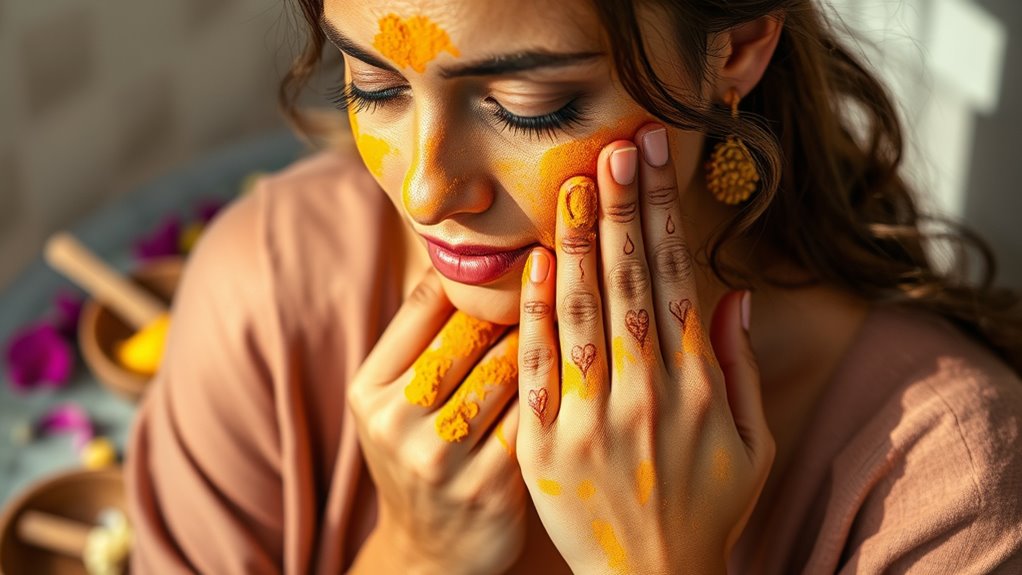
In recent years, more people are embracing sustainable and holistic beauty practices that prioritize both personal well-being and environmental health. You focus on natural ingredients, minimal waste, and mindful routines to enhance your skin and hair. These methods align with ancient traditions, like using argan oil or turmeric, combined with modern eco-friendly packaging. You can incorporate practices such as herbal oil massages, plant-based skincare, and sustainable sourcing to nurture your body and reduce ecological impact. Furthermore, incorporating eco-conscious packaging helps minimize waste and supports environmental preservation.
Frequently Asked Questions
How Did Ancient Beauty Rituals Influence Today’s Skincare Products?
Ancient beauty rituals influence your skincare products today by inspiring natural ingredients like honey, turmeric, and argan oil, which are still used for their healing and anti-aging properties. You benefit from their antioxidant, moisturizing, and exfoliating effects, just like in ancient times. Modern formulations also adopt traditional techniques like oil massages and herbal infusions, emphasizing holistic wellness and sustainability that started thousands of years ago.
What Role Did Natural Dyes Play in Ancient Cosmetic Practices?
You’ll find that natural dyes played a crucial role in ancient cosmetics, offering both color and medicinal benefits. For example, Egyptians used henna for hair and body art, while Greeks and Romans relied on iron oxides for eye makeup. These dyes weren’t just decorative; they often protected skin from harsh elements and served healing purposes. Today, natural dyes influence eco-friendly makeup and hair products, echoing ancient practices.
Were There Gender-Specific Beauty Rituals in Different Cultures?
Yes, gender-specific beauty rituals existed across cultures. Men often used natural oils, perfumes, and grooming tools to project strength and status, like Roman men’s use of scented oils and Greek men’s grooming routines. Women focused on skincare, makeup, and body adornments to enhance femininity and social standing, such as Egyptian women’s use of kohl eyeliner and Indian women’s turmeric masks. These rituals reflected societal roles and cultural ideals.
How Did Ancient Cultures View Aging and Beauty?
You might think aging was feared, but many ancient cultures celebrated natural beauty and wisdom. Egyptians, Greeks, and Romans valued a youthful appearance, using cosmetics and skincare to preserve it. Meanwhile, Indian and Moroccan traditions embraced aging as a sign of inner harmony and health. You see, they believed true beauty came from nurturing the mind, body, and spirit, making aging a natural, respected part of life rather than something to hide.
What Are the Safety Considerations of Ancient Beauty Ingredients?
You should be cautious with ancient beauty ingredients because some, like lead-based makeup in Greece or animal fats in Rome, posed health risks like poisoning or infections. Many used natural substances that could cause allergic reactions or skin irritation. Always remember that natural doesn’t mean safe—test ingredients first, avoid toxic substances, and consult modern safety standards before trying traditional remedies. Your health is worth prioritizing over ancient beauty ideals.
Conclusion
By exploring these ancient beauty rituals, you open a treasure trove of timeless wisdom that still influences your routine today. Embrace natural ingredients and holistic practices that have withstood centuries, connecting you to traditions older than history itself. Modern skincare is just a bridge to this glorious past—an epic journey where spirituality, nature, and beauty collide. So, plunge into these traditions and let your beauty shine brighter than a thousand suns!