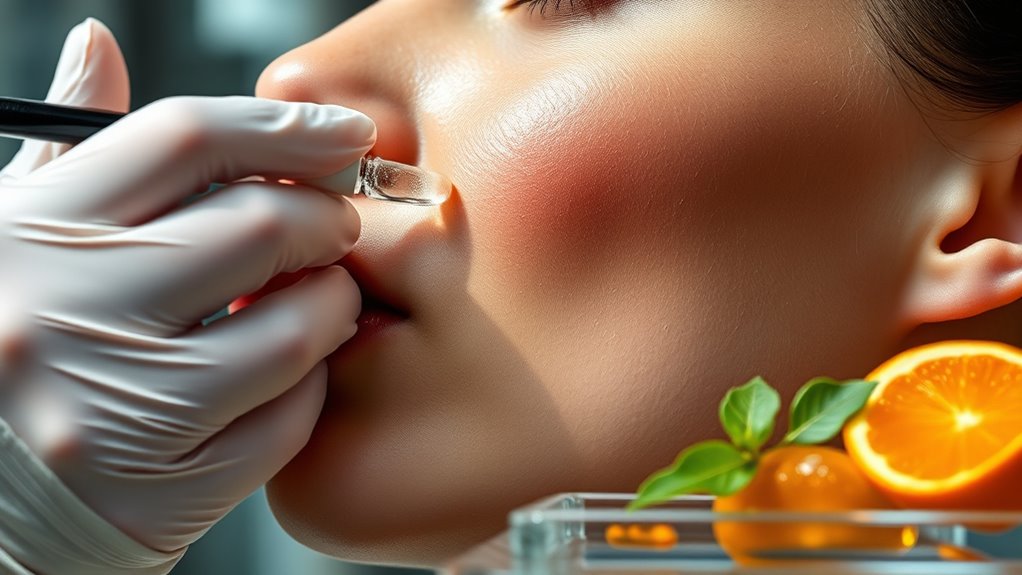

To treat hyperpigmentation, you should look for ingredients like vitamin C, niacinamide, kojic acid, azelaic acid, and natural extracts such as licorice and turmeric, which brighten skin and reduce dark spots. Professional procedures like chemical peels or microdermabrasion can also improve skin tone, complemented by lifestyle habits like daily sunscreen use and a nutrient-rich diet. For more effective tips and treatments, continue exploring your options to achieve even, luminous skin.

Get travel and outdoor gear delivered free — and shop member deals
- Fast, free delivery on millions of items
- Access to Prime Big Deal Days deals on October 6–7
- Prime Video, Amazon Music and more included
Key Takeaways
- Active ingredients like azelaic acid, kojic acid, vitamin C, alpha arbutin, and niacinamide target melanin production and skin brightening.
- Natural extracts such as licorice and turmeric help inhibit pigmentation and reduce inflammation for sensitive skin.
- Procedures like chemical peels, microdermabrasion, and microneedling exfoliate damaged skin, promote renewal, and fade dark spots.
- Lifestyle strategies including daily sunscreen use, antioxidants-rich foods, and avoiding irritants support hyperpigmentation reduction.
- Professional treatments combined with personalized skincare routines and AI diagnostics enhance efficacy and long-term results.
Key Ingredients for Targeting Hyperpigmentation

When it comes to targeting hyperpigmentation, choosing the right key ingredients can make a substantial difference in your skincare routine. Ingredients like azelaic acid gently inhibit overactive melanocytes without disrupting normal pigment production, making it effective for acne and rosacea too. Kojic acid is well-known for its ability to lighten dark spots by blocking melanin synthesis. Vitamin C, a powerful antioxidant, brightens skin and reduces existing hyperpigmentation. Alpha arbutin works by inhibiting melanin production, especially suitable for sensitive skin. Niacinamide enhances skin brightness and minimizes dark spots through improved barrier function. Combining these ingredients can boost your treatment results and help you achieve a more even complexion. Ensuring these ingredients are part of your regimen can considerably improve hyperpigmentation concerns.
Natural Extracts and Their Role in Skin Brightening

Natural extracts like licorice, turmeric, and berries offer powerful skin brightening benefits. Licorice inhibits melanin production and soothes inflammation, while turmeric’s anti-inflammatory properties help reduce dark spots. Berries supply antioxidants that protect your skin and support a more radiant complexion. Additionally, some natural extracts are being integrated into automated skincare solutions to enhance efficacy and personalization.
Licorice’s Skin Brightening Power
Licorice extract stands out as a powerful natural ingredient for skin brightening due to its ability to inhibit tyrosinase activity, the enzyme responsible for melanin production. This helps reduce dark spots and hyperpigmentation while soothing inflamed skin. The key component, glabridin, prevents melanin synthesis without irritating your skin. Incorporating licorice into your routine can enhance overall brightness and even skin tone. Here are four insights about its benefits:
- It offers antioxidant protection against environmental damage.
- It diminishes inflammation, reducing redness and irritation.
- It works synergistically with other brightening agents.
- It’s suitable for sensitive skin, offering gentle yet effective results.
Turmeric’s Anti-Inflammatory Benefits
Turmeric’s active compound, curcumin, is renowned for its potent anti-inflammatory properties, making it a valuable addition to your skincare routine. It helps reduce redness, irritation, and swelling that can worsen hyperpigmentation. Turmeric also brightens skin by inhibiting excess melanin production and promoting healing. Its natural antioxidant effects protect against environmental damage and support skin regeneration. Incorporating turmeric into masks or serums can enhance your skin’s clarity and tone. Additionally, understanding the chemistry behind how natural extracts like turmeric work can deepen your appreciation for chemical processes involved in skin health. Here’s how turmeric compares to other ingredients:
| Ingredient | Main Benefit |
|---|---|
| Turmeric | Reduces inflammation, brightens skin |
| Licorice Extract | Inhibits melanin, soothes inflammation |
| Vitamin C | Brightens skin, antioxidant protection |
| Green Tea | Reduces inflammation, UV protection |
Antioxidants in Berries
Berries are rich in antioxidants that play a vital role in skin brightening and hyperpigmentation reduction. These natural extracts help fight free radicals, protect your skin from UV damage, and improve overall skin tone. Incorporating berries like blueberries, strawberries, and acai into your routine can enhance brightness and fade dark spots. Here’s what they do:
- Reduce Oxidative Stress: Antioxidants neutralize harmful free radicals that cause skin aging and dark spots.
- Inhibit Melanin Production: Compounds like anthocyanins suppress excess melanin, helping lighten hyperpigmentation.
- Support Skin Regeneration: Vitamins in berries promote cell turnover for a clearer, more even complexion.
- Fight Inflammation: Anti-inflammatory properties soothe skin, reducing redness and post-inflammatory hyperpigmentation.
Active Cosmetic Components in Hyperpigmentation Care

Active cosmetic ingredients play a crucial role in effectively treating hyperpigmentation by directly targeting melanin production and skin renewal processes. These ingredients work on different pathways to lighten dark spots and even skin tone. For example, retinoids boost cell turnover, while hydroquinone inhibits melanin synthesis. Niacinamide and alpha arbutin also reduce pigment production gently. To visualize how these components work, consider this table:
| Ingredient | Function | Suitable For |
|---|---|---|
| Retinoids | Promote skin renewal | All skin types |
| Hydroquinone | Inhibit melanin synthesis | Severe hyperpigmentation |
| Vitamin C | Brighten skin, antioxidant | Sensitive skin |
| Niacinamide | Reduce dark spots, improve tone | All skin types |
Using these active components, you target hyperpigmentation effectively and tailor skincare to your needs.
Chemical Procedures to Improve Skin Tone

Chemical procedures like peels, microdermabrasion, and microneedling can markedly improve your skin tone. These treatments remove or stimulate the skin’s surface, promoting brighter, more even skin. Understanding how each method works helps you choose the best option for your hyperpigmentation concerns.
Types of Chemical Peels
Chemical peels are a popular and effective way to improve skin tone and texture by removing the outermost layers of damaged skin. They help reduce hyperpigmentation, fine lines, and uneven patches. There are several types of chemical peels, each suited for different skin concerns:
- Superficial Peels: Use mild acids like glycolic or salicylic acid for gentle exfoliation and brightening.
- Medium Peels: Often employ trichloroacetic acid (TCA) to target deeper pigmentation and signs of aging.
- Deep Peels: Use phenol or stronger TCA solutions for more severe damage and deep hyperpigmentation.
- Customized Peels: Combine ingredients tailored to your skin’s needs for ideal results.
Choosing the right peel depends on your skin type, concerns, and desired outcomes.
Microdermabrasion Benefits
Microdermabrasion offers a non-invasive way to enhance skin tone and texture without downtime or harsh chemicals. It gently exfoliates the outer layer, revealing brighter, more even skin. This procedure reduces the appearance of dark spots, hyperpigmentation, and fine lines, giving you a refreshed look. You’ll notice smoother skin immediately after treatment, with minimal discomfort. Regular sessions can improve skin clarity and promote healthy cell turnover. Feel confident as your complexion becomes more luminous and even-toned, especially when combined with skincare education to maximize results.
Microneedling for Pigmentation
If you’re looking to improve your skin tone and reduce hyperpigmentation, microneedling offers a promising solution. This procedure stimulates collagen production and promotes skin renewal, helping to fade dark spots. It works by creating tiny punctures in your skin, which triggers your body’s healing response. To enhance results, consider combining microneedling with active ingredients like vitamin C or tranexamic acid via iontophoresis. Here are four key points to understand:
- Collagen Boost: Strengthens skin structure, reducing the appearance of pigmentation.
- Enhanced Absorption: Allows better penetration of brightening agents.
- Skin Renewal: Accelerates cell turnover, fading dark spots faster.
- Customized Treatments: Can be tailored to target specific pigmentation issues effectively, especially when combined with AI-driven diagnostics to personalize skincare routines.
Lifestyle and Dietary Strategies for Skin Clarity

Adopting healthy lifestyle and dietary habits can considerably enhance your skin’s clarity and help prevent hyperpigmentation from worsening. Protect your skin daily by applying broad-spectrum sunscreen, even on cloudy days, to block UV rays that trigger melanin production. Incorporate foods rich in vitamins A, C, and E—like leafy greens, citrus fruits, and nuts—to support skin renewal and reduce dark spots. Stay well-hydrated by drinking plenty of water, which maintains skin elasticity and brightness. Avoid irritants such as harsh skincare products or environmental pollutants that can inflame your skin. Maintain a consistent skincare routine with gentle cleansers and targeted treatments. Additionally, limit alcohol and processed foods, as they can contribute to inflammation and skin discoloration. These simple habits strengthen your skin’s resilience and promote an even complexion. Implementing vertical storage solutions can also help organize your skincare products, making it easier to stick to your routine and reduce clutter.
Advanced Treatments and Professional Interventions

When over-the-counter treatments aren’t enough, advanced procedures and professional interventions can deliver more significant results for hyperpigmentation. These treatments target deeper skin layers, offering faster and more noticeable improvements. For added effectiveness, some clinics incorporate trustworthy skincare products into their treatment protocols to optimize outcomes.
Frequently Asked Questions
How Long Does It Take to See Results From Hyperpigmentation Treatments?
You can typically see noticeable results from hyperpigmentation treatments within four to eight weeks. However, the exact timeframe depends on the severity of your hyperpigmentation, the treatment type, and your skin’s response. Consistency is key; using products as directed and protecting your skin from sun exposure accelerates progress. Patience is essential, and for deeper or stubborn spots, it may take several months to see significant improvements.
Are Natural Remedies as Effective as Medical Procedures for Hyperpigmentation?
Natural remedies can help reduce hyperpigmentation, but they usually take longer and may be less effective than medical procedures. You might see gradual improvements with ingredients like licorice extract, vitamin C, or green tea, especially if used consistently. However, for faster, more noticeable results, professional treatments like chemical peels or laser therapy tend to be more effective. Combining both approaches can also enhance your skin’s overall appearance.
Can Skincare Ingredients Cause Irritation or Worsen Hyperpigmentation?
Yes, certain skincare ingredients can cause irritation or worsen hyperpigmentation if you’re sensitive or use them improperly. For example, retinoids, hydroquinone, and alpha arbutin may cause redness, peeling, or increased pigmentation, especially if you don’t follow instructions or skip sun protection. Always patch-test new products, start with lower concentrations, and consult a dermatologist if you notice adverse reactions to prevent exacerbating hyperpigmentation.
What Are the Risks of Combining Multiple Hyperpigmentation Treatments?
When you combine multiple hyperpigmentation treatments, you risk skin irritation, increased sensitivity, and potential worsening of pigmentation. Using strong ingredients or procedures together can cause inflammation, redness, or uneven skin tone. It’s essential to consult a dermatologist before mixing treatments, especially those with active ingredients like retinoids, acids, or laser therapies. Following professional advice helps you safely achieve better results without damaging your skin.
How Does Sun Exposure Affect the Longevity of Treatment Results?
Sun exposure can substantially diminish your treatment results if you’re not diligent about protection. UV rays can cause new dark spots to form and darken existing hyperpigmentation, undoing your progress. Even on cloudy days, UV radiation still affects your skin. To maintain your improvements, always wear broad-spectrum sunscreen, seek shade, and avoid prolonged sun exposure. Consistent sun protection ensures your hard-earned results last longer and your skin stays brighter.
Conclusion
To combat hyperpigmentation effectively, you have a range of ingredients, natural extracts, and professional treatments at your fingertips. Combine these with a healthy lifestyle and dietary choices for best results. Remember, achieving radiant skin isn’t a quick trip to the fountain of youth, but a journey—just like the explorers of old who sought new horizons. Stay consistent, be patient, and your skin will thank you for it. The path to clarity is yours to forge.
Fall Picks
fall essentials
As an affiliate, we earn on qualifying purchases.