Digital twins are rapidly transforming supply chains by offering real-time virtual replicas that improve visibility, enable advanced simulation, and support smarter decisions. They help you identify issues early, optimize operations, and build resilience against disruptions. While some see them as a passing trend, their ability to enhance efficiency and agility signals a future-proof technology. Keep exploring to discover how digital twins can truly revolutionize your supply chain management.

Get travel and outdoor gear delivered free with Prime
- Fast, free delivery on millions of items
- Prime Video, Amazon Music and more included
- Member-only deals all year
Key Takeaways
- Digital twins enhance supply chain visibility, enabling real-time monitoring and proactive decision-making, indicating a sustainable future role.
- Integration complexities and cybersecurity risks pose challenges, but advances in technology suggest these can be effectively managed.
- The ability to simulate and optimize operations supports digital twins as a valuable tool for resilience and cost savings, pointing to long-term viability.
- Poor data handling and security vulnerabilities threaten digital twin effectiveness, emphasizing the need for ongoing investment and risk management.
- Overall, digital twins are increasingly adopted across industries, indicating they are a foundational component of future supply chain management rather than a fad.
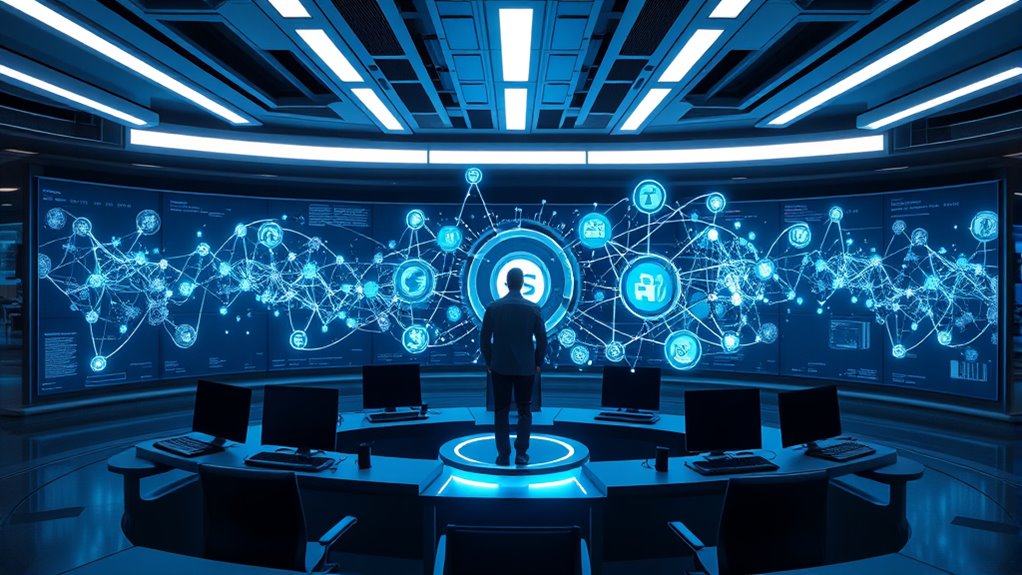
Digital twins are transforming supply chains by creating virtual replicas of physical assets, processes, and systems. These digital counterparts allow you to simulate, analyze, and optimize operations in real time, offering unprecedented visibility into your supply chain’s performance. However, as you adopt this technology, you must also confront significant cybersecurity risks. Since digital twins rely heavily on data integration from various sources—sensors, enterprise systems, and external partners—the attack surface expands. If not properly secured, malicious actors could exploit vulnerabilities to manipulate data or disrupt operations, leading to costly downtime or compromised information. You need to implement robust cybersecurity measures, such as encryption, access controls, and continuous monitoring, to protect these digital models from cyber threats. Ensuring data integrity and confidentiality becomes essential because any breach could distort the digital replica, resulting in flawed decisions that impact your entire supply chain.
Data integration plays a central role in the effectiveness of digital twins. The process involves gathering vast amounts of information from multiple sources—inventory levels, transportation status, production schedules, and more—and synthesizing it into a cohesive, real-time model. Your challenge is to seamlessly connect disparate systems and data formats, which often requires sophisticated integration platforms and standards. If data integration isn’t handled properly, you risk creating a digital twin that’s inaccurate or outdated, defeating its purpose. Poor integration can cause delays, misrepresentations, or gaps in the virtual model, leading you to make suboptimal or risky decisions. To maximize the benefits of digital twins, you need reliable, consistent, and timely data feeds. This involves not only investing in advanced integration tools but also establishing clear protocols for data validation, synchronization, and quality assurance. Additionally, leveraging automation can help streamline data collection and reduce human error, further enhancing the accuracy and efficiency of your digital twin environment.
As you move forward with digital twin technology in your supply chain, it’s essential to recognize that successful implementation isn’t just about technology; it’s about managing risk and ensuring data reliability. While digital twins offer incredible potential for innovation, cost savings, and resilience, overlooking cybersecurity risks and data integration challenges could undermine these gains. You must stay vigilant, continuously update security practices, and foster collaboration among IT, operations, and cybersecurity teams. With the right approach, digital twins can become a powerful asset—providing you with real-time insights, predictive capabilities, and the agility needed to navigate a rapidly changing supply chain landscape. But remember, technology alone isn’t enough; it’s your proactive management of risks and data quality that will determine whether digital twins are a lasting enabler or just a passing fad.
Frequently Asked Questions
How Cost-Effective Are Digital Twins for Small Supply Chain Businesses?
You might wonder about the cost-effectiveness of digital twins for small supply chain businesses. Conducting a thorough cost analysis reveals that initial investment can be high, posing affordability barriers. However, if your business can leverage digital twins to optimize operations, reduce errors, and improve decision-making, the long-term savings could outweigh upfront costs. Small businesses should carefully evaluate whether the benefits justify the investment, considering their specific needs and budget constraints.
What Are the Main Cybersecurity Risks Associated With Digital Twins?
Imagine your supply chain’s secrets falling into the wrong hands—that’s the danger cybersecurity vulnerabilities pose. Digital twins amplify this risk, exposing sensitive data privacy issues and becoming prime targets for cyberattacks. If hackers breach these systems, they could disrupt operations or steal vital information. Protecting digital twins requires robust security measures, because once compromised, the consequences could threaten your entire supply chain’s stability and trust.
How Do Digital Twins Integrate With Existing Supply Chain Management Systems?
You can achieve seamless virtual integration by connecting digital twins with your existing supply chain management systems. This involves real-time data synchronization, which guarantees your digital models accurately reflect current operations. By integrating these systems, you enable better decision-making, faster response times, and improved visibility across your supply chain. This approach streamlines processes, reduces errors, and enhances overall efficiency, making your supply chain more responsive and resilient.
What Skills Are Required to Implement Digital Twins Successfully?
Imagine you’re leading a project to implement digital twins; you’ll need strong digital skills and technical expertise. You should understand data analytics, IoT, and software integration. For example, a logistics company successfully used these skills to optimize routes and reduce costs. To succeed, you must collaborate with IT teams, adapt to new technologies, and continuously learn, ensuring your team can build, maintain, and analyze digital twins effectively.
How Do Digital Twins Impact Supply Chain Sustainability Efforts?
Digital twins boost your supply chain’s sustainability by enabling sustainable innovation and reducing environmental impact. You can simulate scenarios to optimize resource use, minimize waste, and improve energy efficiency. This proactive approach helps identify eco-friendly practices and streamline operations, making your supply chain more resilient and environmentally conscious. Embracing digital twins ultimately supports your sustainability goals while enhancing overall efficiency and reducing the carbon footprint.
Conclusion
Think of digital twins as the compass guiding your supply chain through uncharted waters. While they promise better visibility and agility, they’re not a magic wand. Whether they’re a future staple or just a passing fad depends on your willingness to adapt and invest. Embrace this technology now, or risk sailing blindly into an uncertain horizon. The choice is yours—stay on course or drift behind the times.
Halloween Picks
halloween
As an affiliate, we earn on qualifying purchases.