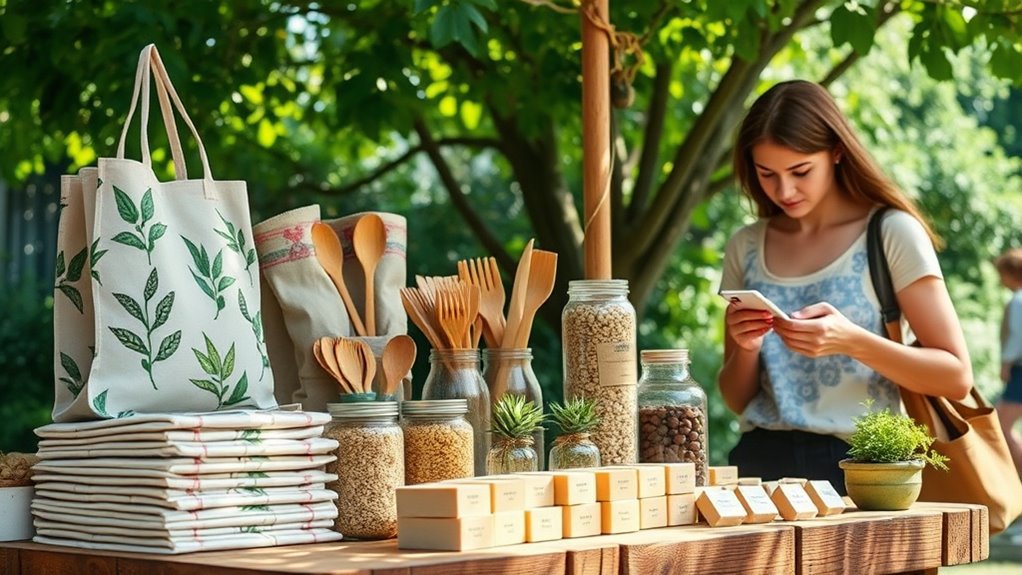

Many consumers, especially younger ones, are willing to pay more for eco-friendly products, valuing sustainability and environmental benefits. While some are prepared to spend a small premium of 5-10%, others may hesitate if costs rise too high. Trust in eco-certifications and clear labeling boost confidence, making higher prices more acceptable. If you want to discover how to encourage more customers to invest in green products, you’ll find useful ideas ahead.
Key Takeaways
- A significant majority of consumers, especially Gen Z and Millennials, are willing to pay more for eco-friendly products.
- Trust in eco-certifications and clear labeling increase consumer confidence and willingness to spend extra.
- Consumers often accept small premiums (5-10%), but higher costs over 25% deter many buyers.
- Younger and eco-conscious consumers demonstrate a 70%+ willingness to invest in sustainable goods.
- Economic pressures can influence willingness, but environmental values often outweigh cost concerns.
The Growing Demand for Eco-Friendly Goods
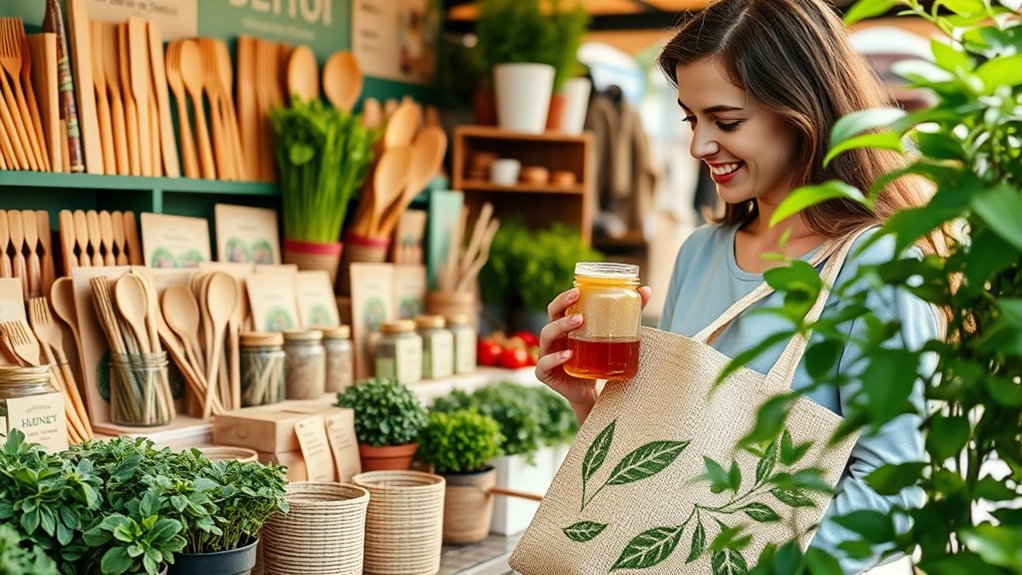
The demand for eco-friendly goods is rapidly increasing worldwide, driven by consumers’ growing awareness of environmental issues and a desire to make sustainable choices. More people now understand the impact their purchases have on the planet, prompting them to seek out products labeled as eco-friendly or sustainable. This shift is evident across markets, with global consumers willing to pay more for products that align with their environmental values. Younger generations, especially Gen Z and Millennials, are leading the charge, showing a high willingness to invest in green options. Additionally, the rise of ESG claims and eco-certifications bolsters consumer confidence, fueling further demand. As awareness spreads and trust in sustainable labels grows, you’ll notice a clear trend: eco-friendly products are becoming an essential part of modern consumption. Incorporating eco-friendly materials into product design can further enhance consumer appeal and support sustainability goals.
Who Is Most Likely to Pay a Premium?
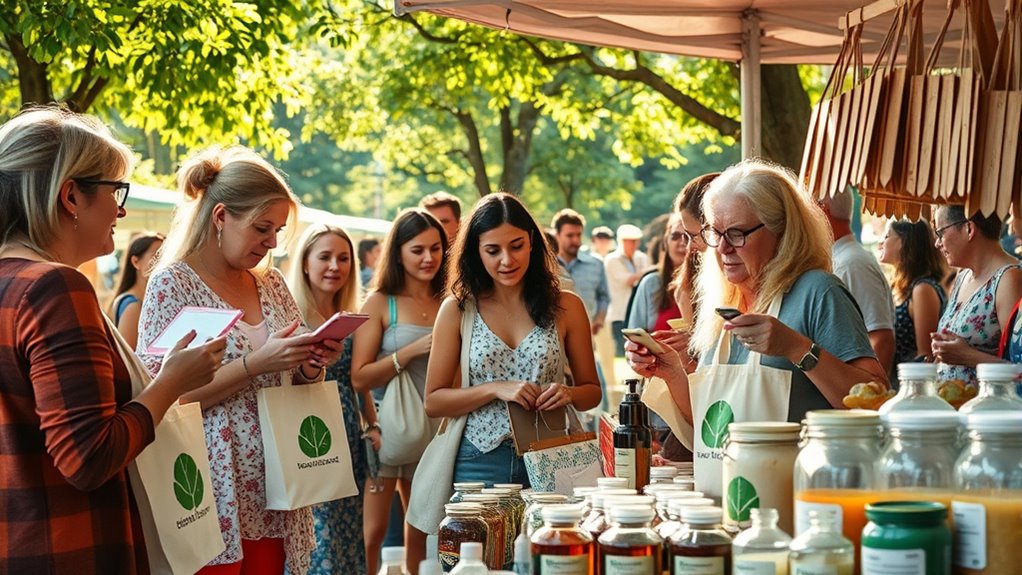
Who is most likely to pay a premium for eco-friendly products? Younger consumers, especially Gen Z and Millennials, are the most open, with 77% and 72% willing to spend extra on sustainability. Parents also show high willingness, with 76% ready to pay more. If you’re aware of environmental benefits and trust eco-certifications, you’re more inclined to choose green products, even at a higher price. Your attitude, knowledge, and perceived benefits directly influence your willingness to pay a premium. Typically, you prefer small increases—around 5-10%—and are less willing to pay when premiums reach 25% or more. Economic pressures and inflation can limit your ability or willingness to spend extra, but your environmental consciousness often outweighs cost concerns if trust and awareness are high. Additionally, understanding home improvement strategies can help you create more sustainable living spaces that align with your eco-friendly values.
The Impact of Price Sensitivity on Eco-Product Adoption

How much does your sensitivity to price influence your decision to buy eco-friendly products? If you’re highly price-sensitive, you might hesitate to pay a premium, especially when costs rise beyond 5-10%. Many consumers want sustainable options but struggle with higher prices—such as organic foods costing 4-5 times more than conventional options. During inflation or economic uncertainty, this hesitation grows stronger. You may opt for cheaper, less eco-friendly alternatives, even if you care about the environment. Trust in eco-certifications can help, but only if the added cost is manageable. Overall, your willingness to adopt eco-products depends on how much you value sustainability versus affordability. Small price premiums are more acceptable, but large increases often deter even environmentally conscious shoppers like you. Additionally, price sensitivity influences how consumers perceive the value of eco-friendly products and their willingness to invest in a sustainable lifestyle.
Trends in Market Growth and Consumer Spending

Consumer willingness to pay premiums for eco-friendly products is steadily translating into significant market growth. You’ll notice that products with sustainability claims have outpaced traditional ones, with a 28% growth over five years compared to 20% for non-eco options. The U.S. eco-friendly retail sector expands 71% faster than overall retail, driven by rising demand. Globally, 80% of consumers are willing to spend more on green products, fueling this expansion. Younger shoppers, especially Gen Z and Millennials, show the highest willingness, with over 70% ready to pay extra. Environmental concerns, climate change awareness, and increased digital engagement further boost spending. However, economic pressures and inflation limit some consumers’ ability to invest in higher-priced eco-products, shaping ongoing market dynamics.
Strategies to Encourage Higher Willingness to Pay
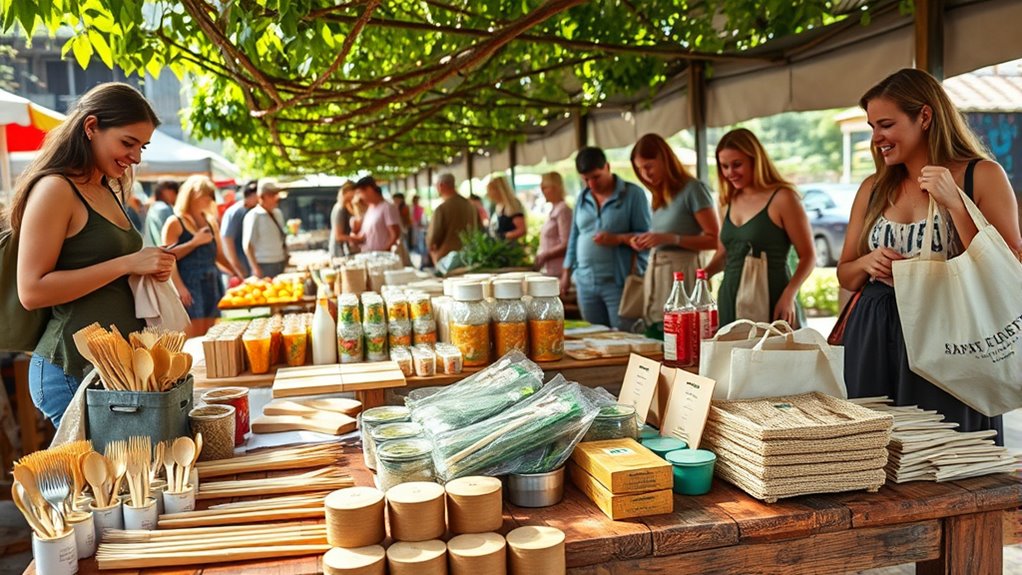
To encourage consumers to pay higher premiums for eco-friendly products, brands must adopt strategic approaches that build trust and highlight value. First, focus on transparent labeling and third-party certifications; these reassure consumers about genuine sustainability and quality. Second, craft compelling marketing messages that emphasize health, environmental benefits, and long-term savings, making eco-products more appealing. Third, leverage digital platforms and social media to engage eco-conscious audiences, share stories, and foster community around sustainability. Additionally, emphasizing the importance of product certifications can further strengthen consumer confidence in the authenticity of eco-friendly claims. By doing these, you reinforce trust, educate consumers about the value of green products, and make higher prices feel justified. These strategies help bridge the gap between willingness and actual purchase, encouraging customers to see eco-friendly options as worthwhile investments rather than mere expenses.
Frequently Asked Questions
How Do Cultural Differences Influence Willingness to Pay for Eco-Friendly Products Globally?
You’ll find that cultural differences considerably impact your willingness to pay more for eco-friendly products. In some regions, like Western countries, consumers prioritize sustainability and trust eco-certifications, making them more willing to spend extra. In contrast, in areas with economic challenges or less environmental awareness, price sensitivity dominates, and people may hesitate to pay premium prices. Understanding local values and perceptions helps you decide how much you’re willing to invest in eco-products.
What Role Does Product Quality Play in Consumers’ Willingness to Pay a Premium?
Product quality plays a vital role in your willingness to pay a premium, as high-quality eco-friendly products offer durability, effectiveness, and trustworthiness. When you see consistent, reliable quality, you’re more confident in your purchase and willing to invest more. Conversely, if quality is lacking, your willingness drops, and you seek better options. Ultimately, quality reassures you, justifies the extra cost, and enhances your overall satisfaction with eco-friendly choices.
How Does Brand Reputation Impact Consumer Trust and Premium Pricing for Sustainability?
Your brand reputation markedly boosts consumer trust and willingness to pay a premium for sustainable products. When you build a strong, transparent, and trustworthy image through eco-certifications and consistent messaging, customers are more likely to see your products as credible and worth the extra cost. This trust encourages them to choose your eco-friendly offerings over competitors, especially when they believe in your commitment to sustainability and social responsibility.
Are There Specific Marketing Messages That Effectively Increase Willingness to Pay?
You can boost willingness to pay by highlighting subtle yet powerful messages. Focus on emphasizing the personal benefits, like healthier lifestyles or peace of mind, rather than just environmental impact. Share stories of positive change and trust-building certifications. Use clear, authentic communication that appeals to values and aspirations. When your messages feel genuine and relatable, consumers are more inclined to see eco-friendly products as worthwhile investments, even if they cost a little more.
How Do Government Policies and Incentives Affect Consumer Purchasing Behavior?
Government policies and incentives can substantially influence your purchasing choices. When policies promote awareness through education and provide financial incentives like tax credits or subsidies, you’re more likely to contemplate eco-friendly options. These measures reduce the cost barrier and build trust through certifications, making it easier for you to justify spending more on sustainable products. Your awareness and confidence in these policies encourage you to support environmentally responsible brands.
Conclusion
Did you know that 66% of consumers say they’d pay more for eco-friendly products? If you’re considering switching to sustainable options, now’s the time. By understanding your values and price sensitivity, you can make smarter choices that benefit the planet without overspending. Your willingness to pay a premium not only supports green businesses but also helps drive market growth. Together, we can make eco-friendly living more accessible and impactful.