The future of retail hinges on your ability to craft seamless omnichannel experiences that meet customer expectations for personalization and convenience. By integrating data across digital and physical channels, you’ll boost engagement, loyalty, and revenue. Innovations like real-time inventory, micro-fulfillment, and digital marketing strategies will keep you ahead. To truly succeed, continually adapt your approach and leverage new technologies—exploring these trends will reveal how to stay competitive in a rapidly evolving landscape.
Open a free Amazon Business account
Business pricing, bulk buying and tax-exempt orders.
As an affiliate, we earn on qualifying purchases.
Key Takeaways
- Integration of unified data platforms enables seamless, personalized customer experiences across all channels.
- Micro-fulfillment centers and advanced delivery methods, like drones, will shorten delivery times and enhance convenience.
- Retail media and shoppable content will drive targeted engagement and higher conversion rates.
- Real-time inventory visibility will improve customer trust and reduce frustration through accurate stock information.
- Investment in flexible, scalable technology systems will address integration challenges and support innovative omnichannel strategies.

Warehouse Management and Inventory Control System
As an affiliate, we earn on qualifying purchases.
As an affiliate, we earn on qualifying purchases.
The Rise of Multichannel Engagement and Customer Expectations
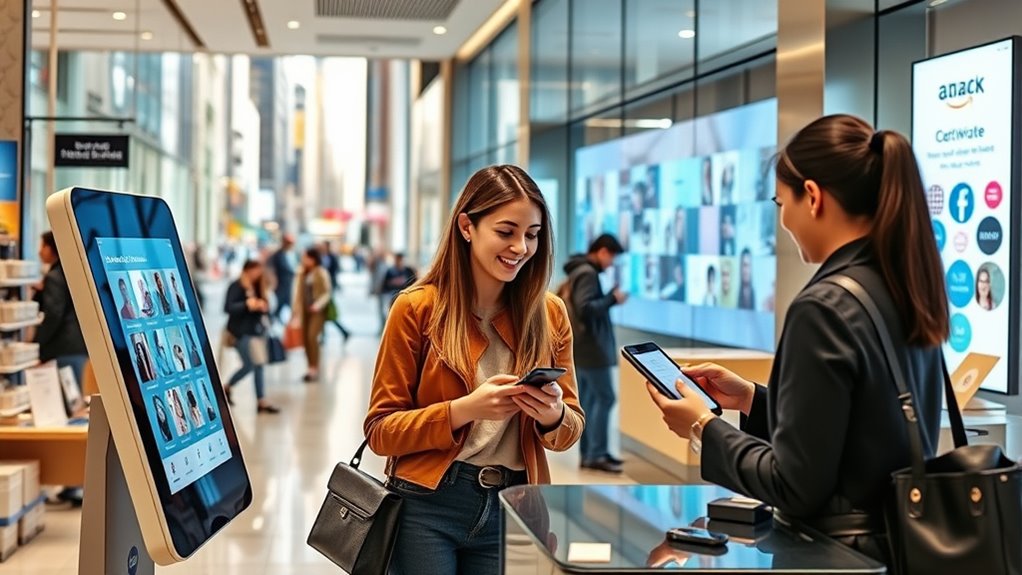
As shoppers increasingly engage across multiple channels, their expectations for seamless and consistent experiences have risen dramatically. You want to research products online, compare prices on your smartphone in-store, and switch effortlessly between digital and physical touchpoints. Omnichannel shoppers actively use about six different channels during their buying journey, expecting uniform information and service across all of them. If a retailer provides inconsistent or disjointed experiences, you’re likely to become frustrated and turn to competitors. Your behavior shows that convenience, personalization, and real-time updates are essential. Retailers need to recognize this shift and adapt by offering integrated, smooth interactions. Meeting these heightened expectations isn’t just about customer satisfaction; it directly impacts loyalty, spending, and your overall perception of a brand. Understanding how content consistency influences your experience is crucial for retailers aiming to build trust and engagement.
How Omnichannel Strategies Drive Revenue and Loyalty
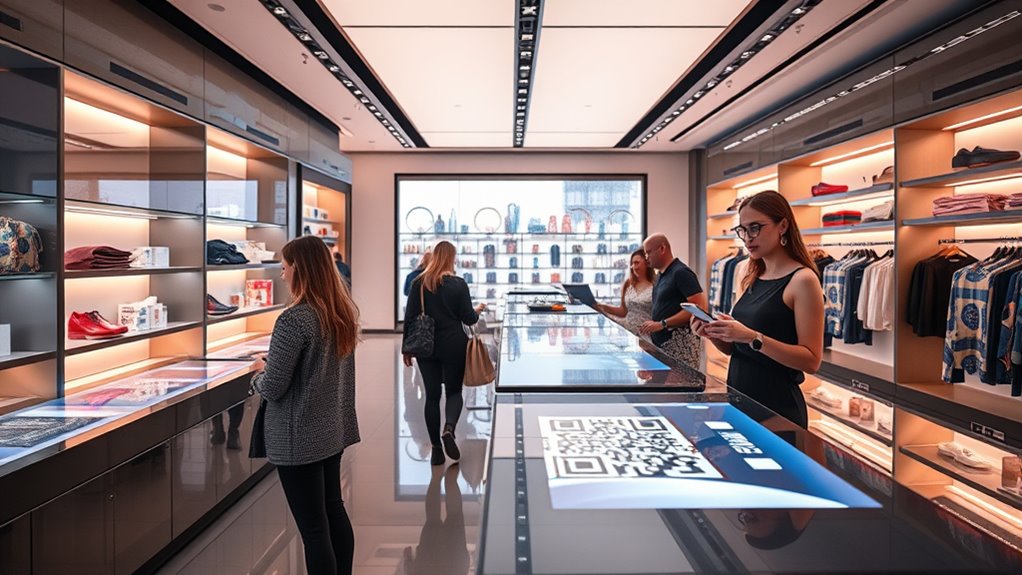
Implementing effective omnichannel strategies substantially boosts both revenue and customer loyalty. When you create seamless, consistent experiences across channels, customers are more likely to buy, return, and recommend your brand. Here are four ways this happens:
- Increased Spending: Omnichannel shoppers spend 1.5 times more monthly than single-channel shoppers.
- Higher Retention: Companies with strong omnichannel engagement retain 89% of customers, compared to only 33% with weak strategies.
- Enhanced Customer Lifetime Value: Customers who shop both online and in-store have a 30% higher lifetime value.
- More Store Visits: Omnichannel efforts drive 80% more in-store visits, fueling additional sales.
- Improved Emotional Regulation: Incorporating mind-body integration techniques, such as breathwork and movement therapy, can foster stronger emotional resilience, which in turn enhances customer engagement and loyalty.
Integrating Data for a Seamless Shopping Experience
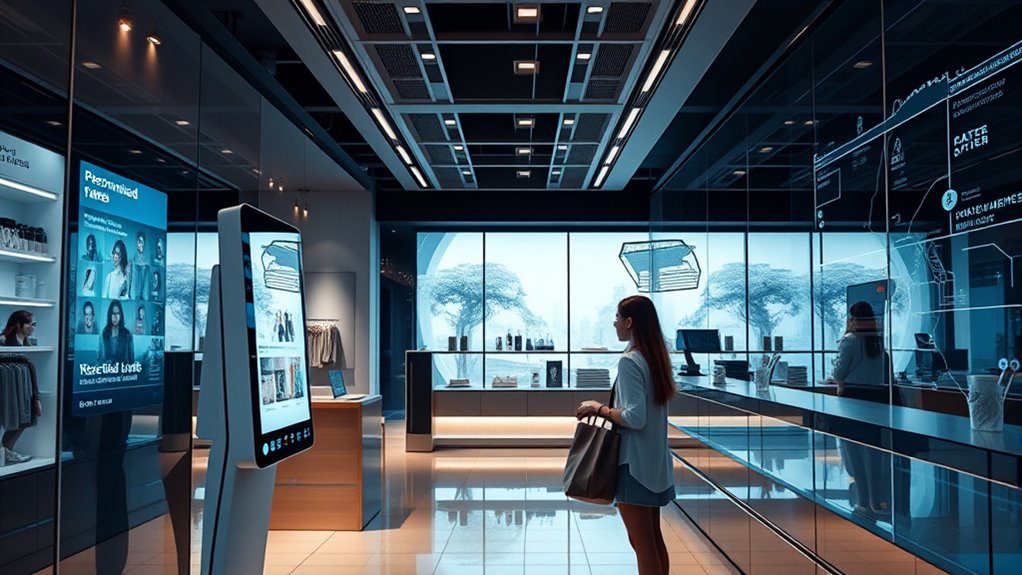
To create a seamless shopping experience, you need to integrate data across all channels, ensuring a unified view of your customers. Real-time inventory visibility allows you to meet customer expectations quickly and accurately, whether online or in-store. Cross-channel personalization then enables you to deliver relevant offers and content, strengthening loyalty and engagement. Additionally, understanding network infrastructure helps ensure your data flows smoothly and securely across various platforms.
Unified Data Platforms
Unified data platforms are transforming the retail landscape by connecting customer information across all channels, enabling a seamless shopping experience. You can now access an all-encompassing view of customer behaviors, preferences, and purchase history, which improves personalization and engagement. This integration reduces data silos and streamlines decision-making. To maximize their potential, consider these key elements: 1. Data Centralization: Consolidate customer data from online, in-store, and mobile sources into a single platform. 2. Customer Identity Management: Ensure accurate, unified profiles that reflect each shopper’s interactions. 3. Analytics Integration: Leverage insights to anticipate needs and tailor marketing efforts. 4. Automation Capabilities: Use automated workflows to deliver timely, relevant communications and offers. Incorporating data silos can help identify gaps in information flow and optimize integration strategies.
Real-Time Inventory Visibility
Have you ever experienced the frustration of finding an item online only to discover it’s out of stock in-store? That’s where real-time inventory visibility comes in. When you have instant access to stock levels across all channels, you can see what’s available before heading out. Retailers that share accurate, up-to-the-minute inventory data reduce customer frustration and increase sales. This seamless integration allows you to switch effortlessly between online shopping and in-store pickup or delivery options. It also helps prevent overselling or disappointment at checkout. By constantly updating inventory data across systems, retailers create a unified experience that keeps you informed and confident in your purchase, whether browsing from home or shopping in person. This transparency builds trust and encourages loyalty in today’s omnichannel world. Vetted
Cross-Channel Personalization
Integrating customer data across channels enables retailers to deliver truly personalized shopping experiences. When you unify data from online, in-store, mobile, and social touchpoints, you create a thorough view of each customer. This allows you to tailor offers, recommendations, and messaging precisely to individual preferences. To maximize personalization, focus on these key areas:
- Centralize customer profiles for real-time updates.
- Use purchase history and browsing behavior to inform targeted marketing.
- Leverage location data to customize in-store interactions.
- Implement AI-driven insights to predict future needs and preferences.
The Role of Unified Commerce in Modern Retail
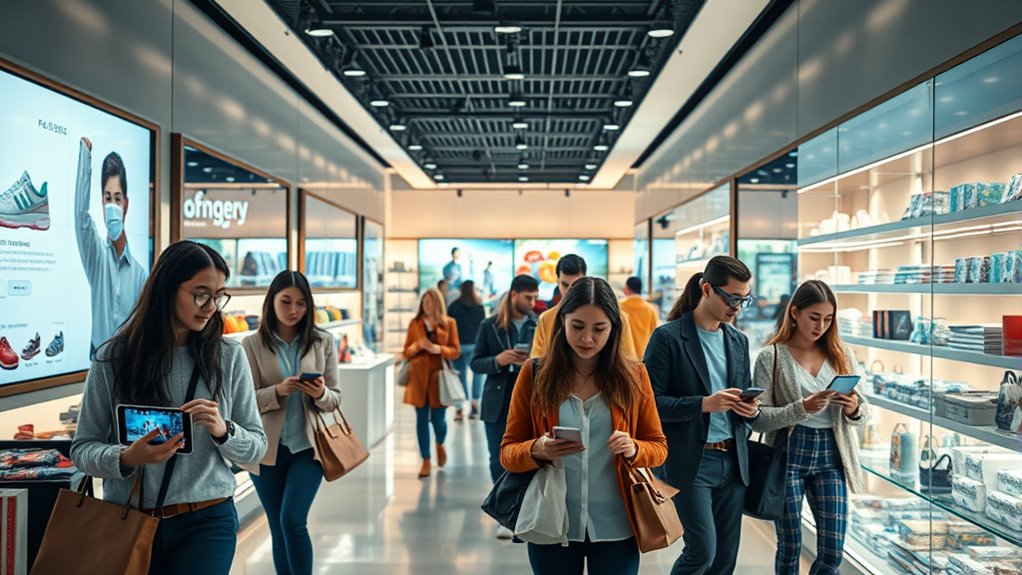
How can retailers stay competitive in today’s fast-paced market? The key lies in embracing unified commerce. This approach seamlessly integrates sales, inventory, customer data, and service across all channels, providing a consistent experience. When your systems communicate in real-time, you gain a single view of each customer, enabling personalized interactions and efficient fulfillment. Retailers with mature unified commerce report lower costs, reduced cart abandonment, and higher customer loyalty. It’s not just about having multiple channels, but about uniting them into a cohesive ecosystem. By investing in this integration, you can streamline operations, improve customer satisfaction, and adapt quickly to changing demands. As more retailers adopt unified commerce, those who lag behind risk losing relevance in a highly competitive landscape. Incorporating real-time data sharing ensures that all parts of the retail operation are synchronized for maximum efficiency.
Innovations in Fulfillment and Delivery for a Competitive Edge
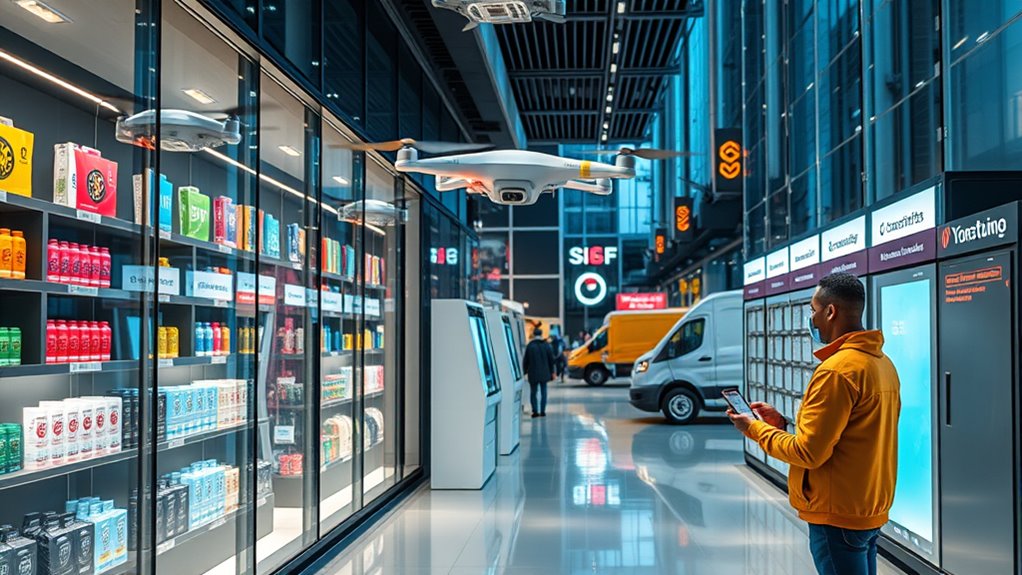
Innovations in fulfillment and delivery are transforming retail by enabling faster, more flexible service options that meet rising customer expectations. You’re now able to offer seamless, on-demand solutions that keep shoppers satisfied and loyalty high. Here are some key advancements:
- Micro-fulfillment centers: Automated facilities close to urban areas reduce delivery times and costs.
- Same-day and next-day delivery: Rapid shipping options meet customer demand for instant gratification.
- Curbside pickup and BOPIS: Combines online convenience with in-store immediacy, boosting sales.
- Automated delivery drones and robots: Emerging technology promises to revolutionize last-mile logistics, reducing delays and costs.
These innovations help you stay competitive by improving service speed and flexibility, directly impacting customer satisfaction and retention.
Evolving Marketing Approaches in a Digital-Physical World

As fulfillment methods evolve with micro-fulfillment centers and same-day delivery options, marketing strategies must also adapt to engage customers seamlessly across both digital and physical channels. You need to deliver consistent messaging that aligns with the omnichannel experience, ensuring promotions and inventory updates are synchronized. Personalized content becomes essential, driven by unified customer data that allows targeted messaging whether customers are browsing online or shopping in-store. You should leverage shoppable media and interactive displays to bridge the gap between digital and physical touchpoints, encouraging engagement at every stage. Additionally, integrating real-time inventory visibility helps manage customer expectations and enhances trust. In this digital-physical world, your marketing approach must be agile, data-driven, and focused on creating frictionless, unified experiences that foster loyalty and drive sales. For example, utilizing advanced color accuracy in visual displays can significantly improve customer engagement by making digital content more appealing and trustworthy.
The Growing Influence of Retail Media and Personalization

Retail media and personalization are transforming the way brands connect with customers, making every interaction more relevant and engaging. You can leverage targeted advertising to reach consumers at the right moment, boosting conversion rates. Personalization creates a tailored shopping experience, increasing loyalty and lifetime value. Consider these key aspects:
Retail media and personalization enhance engagement, boosting conversions and fostering loyalty through tailored experiences.
- Data-driven insights enable precise targeting and messaging.
- Shoppable media integrates product discovery directly within ads or content.
- Dynamic content adapts offers based on customer behavior and preferences.
- Cross-channel consistency ensures seamless, personalized experiences across digital and physical touchpoints.
- Recognizing the importance of emotional support can help brands foster stronger customer relationships and loyalty.
Trends Shaping the Future of Omnichannel Retail

The future of omnichannel retail is being shaped by several key trends that are redefining how businesses connect with customers. Digital transformation remains central, with retailers investing heavily in unified commerce systems that integrate sales, inventory, and customer data. Hybrid shopping, blending in-store and digital experiences, is now the norm, driving both volume and growth. Customer expectations for seamless, consistent experiences across all touchpoints are pushing brands to enhance personalization through real-time data. Fulfillment innovations like BOPIS, curbside pickup, and micro-fulfillment centers are scaling rapidly to meet demand. Meanwhile, marketing shifts toward omnichannel retail media and shoppable content aim to boost engagement and conversion. Additionally, Hackathons – Hack’;n Jill are increasingly used by retail companies to foster innovation and develop new solutions for omnichannel challenges. As these trends align, retailers who adapt quickly will strengthen loyalty, increase revenue, and stay competitive in the evolving landscape.
Overcoming Challenges in Implementing Omnichannel Solutions
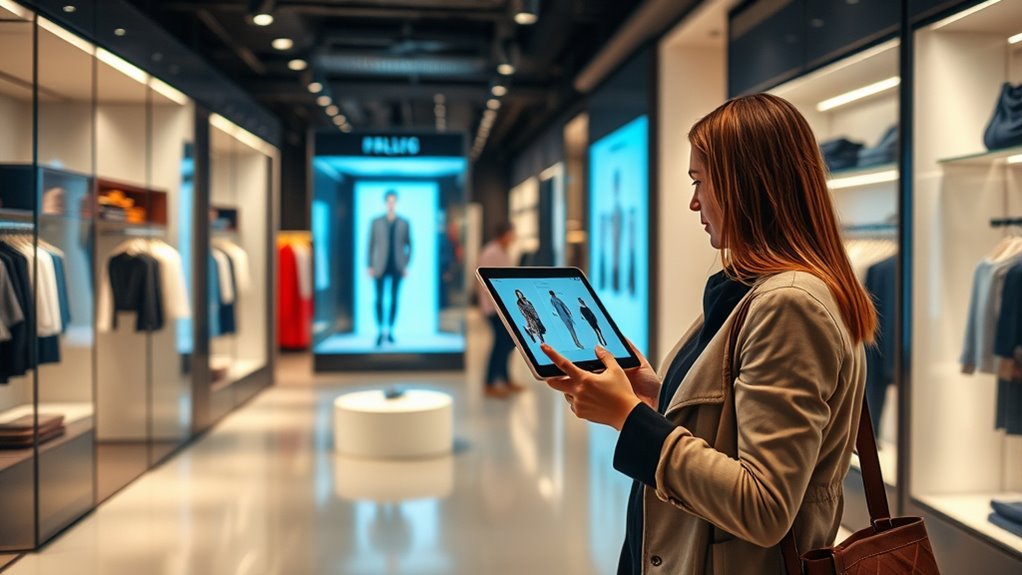
Implementing omnichannel solutions often involves steering technology integration complexities that can slow progress. You also need to address data silos and privacy concerns that hinder a unified customer view. Additionally, the costs and resources required can challenge your ability to scale effectively across channels. A clear understanding of personality traits can enhance team collaboration and customer interactions during this transformation.
Technology Integration Complexities
Integrating multiple channels into a seamless omnichannel experience presents significant technical challenges that can hinder your retail strategy. You’ll face obstacles like incompatible systems, data silos, and inconsistent customer experiences. To overcome these, consider:
- Implementing unified platforms that connect sales, inventory, and customer data seamlessly.
- Ensuring real-time data synchronization across all channels to prevent discrepancies.
- Investing in flexible APIs that allow systems to communicate effectively.
- Prioritizing scalable infrastructure to adapt to future growth and technology updates.
These steps help reduce complexity, improve operational efficiency, and deliver a consistent customer journey. By addressing integration issues head-on, you set the foundation for a robust omnichannel ecosystem that enhances engagement and drives revenue growth.
Data Silos and Privacy
Overcoming data silos and privacy concerns is essential for successfully deploying omnichannel solutions. When customer data is trapped in isolated systems, it’s difficult to create a unified view, hindering personalized experiences and seamless engagement. You need to break down these silos by integrating data across all channels, ensuring your systems communicate effectively. At the same time, privacy regulations like GDPR and CCPA require strict compliance; mishandling data can lead to hefty fines and damage your reputation. To address this, implement robust data governance and security protocols. Use encryption and anonymization to protect customer information. Balancing data accessibility with privacy safeguards enables you to deliver personalized, consistent experiences while respecting customer rights and building trust.
Cost and Resource Challenges
While adopting omnichannel strategies offers significant benefits, many retailers face substantial cost and resource hurdles that can slow progress. Implementing seamless integration requires significant investment in technology, staff training, and infrastructure. To overcome these challenges, consider these key areas:
- Technology upgrades: Prioritize scalable, flexible systems to reduce long-term costs.
- Staff training: Allocate resources to upskill employees for new processes and tools.
- Data integration: Invest in unified platforms that streamline customer data sharing and reduce redundancies.
- Operational efficiency: Optimize fulfillment and inventory management to lower overhead and improve responsiveness.
Frequently Asked Questions
How Can Small Retailers Effectively Implement Omnichannel Strategies?
You can effectively implement omnichannel strategies by integrating your sales channels and sharing customer data across them. Focus on creating a seamless experience, whether online or in-store, with consistent promotions and messaging. Use mobile devices in-store for price checks or reviews, and offer convenient options like BOPIS. Invest in real-time inventory visibility and personalized marketing to build loyalty and drive growth, even with limited resources.
What Are the Key Metrics to Measure Omnichannel Success?
You should focus on metrics like customer engagement across multiple channels, repeat purchase rates, and customer lifetime value. Track your omnichannel touchpoints to see how well your channels are integrated, and monitor fulfillment costs and cart abandonment rates. Measure in-store visits driven by online campaigns, and analyze personalized marketing effectiveness. These metrics help you understand your success, optimize your strategies, and build stronger customer relationships across all channels.
How Does Omnichannel Retail Impact Supply Chain Management?
You see, 77% of strong omnichannel retailers share customer data across channels, which markedly improves supply chain management. This integration enables real-time inventory visibility, better demand forecasting, and streamlined fulfillment. By adopting unified commerce, you can reduce costs, minimize stockouts, and improve delivery speed. As a result, your supply chain becomes more agile, responsive, and efficient, ultimately enhancing customer satisfaction and boosting your business growth.
What Are Best Practices for Personalizing Customer Experiences Across Channels?
To personalize customer experiences across channels, you should leverage unified customer data to understand preferences and behaviors. Use this data to deliver targeted promotions, tailored product recommendations, and consistent messaging. Guarantee your messaging adapts to each touchpoint, whether online or in-store, and provide seamless interactions. By integrating real-time insights and maintaining consistency, you create a frictionless journey that boosts loyalty and increases sales.
How Will Emerging Technologies Like AI Influence Future Retail Strategies?
AI is like a crystal ball, revealing insights that transform your retail game. It automates personalized recommendations, predicts customer needs, and streamlines inventory management. With real-time data, you can craft seamless, engaging experiences that feel tailor-made. Embracing AI’s power helps you stay ahead in the retail race, turning data into a loyal customer base, and driving growth with smart, intuitive strategies that adapt to every shopper’s journey.
Conclusion
Embracing omnichannel strategies might seem complex, but it’s like weaving a seamless fabric that connects every touchpoint—online, in-store, or mobile. Imagine your customers steering effortlessly, receiving personalized experiences that keep them loyal. Yes, implementation requires effort, but the payoff is a unified brand presence that boosts revenue and satisfaction. Think of it as a well-orchestrated symphony—everyone plays their part, creating harmony and growth in your retail future.
Flea & tick season Picks
flea and tick prevention
As an affiliate, we earn on qualifying purchases.