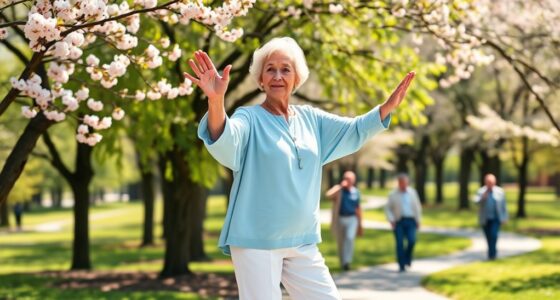

As a woman, understanding hormonal changes like menopause is key to healthy aging. You can support your bone health by eating enough calcium and vitamin D and staying active with weight-bearing exercises. Prioritize a balanced diet rich in whole foods, and engage in regular physical activity to boost mental and physical well-being. Addressing social and emotional health is equally important for resilience. Stay informed and adopt healthy habits — there’s much more to explore for a vibrant later life.
Key Takeaways
- Hormonal changes during menopause impact bone density, cardiovascular health, mood, and metabolism, requiring targeted prevention strategies.
- Regular weight-bearing exercise and adequate intake of calcium and vitamin D are essential for maintaining bone strength.
- A balanced diet emphasizing whole grains, fruits, vegetables, and healthy fats supports overall healthy aging.
- Mental, emotional, and social well-being are vital; social engagement and stress management promote cognitive and emotional resilience.
- Creating supportive environments and proactive health screenings help prevent age-related health issues and foster holistic wellness.
The Impact of Menopause on Women’s Health

Have you ever wondered how menopause affects your body? During this progression, your estrogen levels drop sharply, impacting multiple systems. You might notice hot flashes, night sweats, and sleep disturbances that disrupt your daily life. Metabolism slows, making weight management more challenging. The decline in estrogen accelerates bone loss, increasing your risk of osteoporosis and fractures. Cardiovascular health also changes; women become more vulnerable to heart disease after menopause. Mood swings, anxiety, and cognitive shifts can occur, affecting your mental well-being. Additionally, body composition shifts toward increased abdominal fat, raising metabolic syndrome risks. These changes are natural but can profoundly influence your health and quality of life. Understanding these effects helps you navigate menopause proactively and seek appropriate care. Recognizing the importance of hormonal changes can empower you to make informed health decisions.
Strategies for Maintaining Bone Density and Preventing Osteoporosis

Maintaining strong bones is essential for reducing osteoporosis risk, especially after menopause when estrogen levels decline. You can protect your bone health by adopting effective strategies. First, guarantee you get enough calcium and vitamin D through diet or supplements to support bone mineralization. Regular weight-bearing and resistance exercises stimulate bone growth and strength. Fall prevention measures, like improving home safety and balance training, reduce fracture risk. Consider lifestyle choices such as quitting smoking and limiting alcohol intake, which can weaken bones. Staying active and vigilant with your bone health habits helps you maintain mobility and independence longer. Reliable backup power is also essential for health emergencies, ensuring medical devices and necessary equipment stay operational during outages.
The Role of Nutrition and Physical Activity in Healthy Aging

Your diet and activity levels play a vital role in healthy aging, especially for maintaining bone strength, mobility, and overall well-being. Consuming nutrient-rich foods like calcium, vitamin D, and high-quality carbs supports your body’s needs, while regular exercise helps preserve muscle and joint function. Focusing on balanced dietary patterns and staying active can greatly improve your quality of life as you age. Incorporating Vetted bike conversion kits into your routine can also encourage consistent physical activity and outdoor engagement.
Nutrients for Bone Strength
Adequate intake of key nutrients is essential for building and maintaining strong bones as women age. Your diet should focus on nutrients that support bone density and reduce fracture risk. Calcium is crucial, so include dairy products, leafy greens, and fortified foods. Vitamin D helps your body absorb calcium, so get enough sunlight and consider supplements if needed. Magnesium, found in nuts, seeds, and whole grains, also plays a role in bone health. Embracing creative practice can also foster a proactive mindset towards healthy aging by exploring new ways to incorporate these nutrients into your daily routine. You can optimize bone strength by: – Consuming calcium-rich foods daily – Ensuring adequate vitamin D through sunlight or supplements – Incorporating magnesium sources like nuts and seeds into your diet Together, these nutrients strengthen bones and support overall skeletal health as you age.
Exercise and Mobility Benefits
Regular physical activity plays an essential role in preserving mobility and enhancing overall health as women age. Staying active helps maintain muscle strength, balance, and flexibility, reducing the risk of falls and fractures. Even modest goals like walking 4,000 steps a day can lower cardiovascular and mortality risks. As you age, regular movement supports cognitive function and mental well-being, combating depression and social isolation. Incorporating weight-bearing and resistance exercises boosts bone density and muscle mass, critical for independence. It’s important to set achievable goals tailored to your abilities to maintain consistency. Staying active not only improves physical health but also promotes a sense of vitality and confidence, empowering you to enjoy everyday activities and preserve your quality of life well into later years. Exploring healthy ice cream recipes can be a delightful way to enjoy treats while maintaining nutritious choices that support your aging journey.
Dietary Patterns and Aging
Eating a balanced diet that emphasizes whole foods and nutrient-dense choices supports the physical activity you’re already incorporating to stay healthy as you age. Focus on foods rich in fiber, vitamins, and minerals to boost your overall health and reduce chronic disease risk. Prioritize high-quality carbohydrates like whole grains, legumes, fruits, and vegetables, which are linked to better cognitive and physical function. Limit refined grains, added sugars, and processed potatoes, as they’re associated with worse aging outcomes. Remember, the benefits of good nutrition come from whole foods, not supplements. Your diet and activity work together to improve bone health, cardiovascular function, and mental clarity, helping you maintain independence and vigor as you age. Incorporating natural materials and rustic-inspired foods can also enhance your overall well-being and create a more holistic approach to healthy aging.
Mental Well-Being and Cognitive Function in Older Women

As women age, their mental well-being and cognitive health become increasingly important for maintaining independence and quality of life. Chronic health issues, physical limitations, and social changes can negatively impact your mental state. The risk of cognitive decline and dementia rises with age, affecting women more than men. Engaging in social activities, staying mentally stimulated, and maintaining regular physical activity can help preserve cognitive function. Managing stress and addressing depression are essential, as isolation and caregiving burdens increase vulnerability to mental health challenges. Prioritizing your mental health through support networks, hobbies, and self-care can considerably improve your overall well-being. Incorporating self-care strategies such as mindfulness and adequate sleep can further bolster mental resilience. By actively fostering mental resilience, you empower yourself to live more fully and independently as you age.
Addressing Social and Global Factors Influencing Women’s Aging

Social and global factors substantially shape women’s aging experiences, influencing health outcomes, opportunities, and quality of life. Your environment, economic status, and cultural norms impact access to healthcare, nutrition, and social support. In low-resource settings, women often face limited healthcare services, gender discrimination, and caregiving burdens that hinder healthy aging. The UN Decade of Healthy Ageing emphasizes creating age-friendly communities, reducing ageism, and improving care systems. Addressing these factors requires policy changes and community efforts to ensure equitable resources. Promoting awareness about home decoration and its impact on well-being can also play a role in creating supportive environments for aging women. By tackling social and global influences, you can help promote healthier, more empowered aging experiences for women worldwide.
Practical Tips for Empowering Women to Thrive in Later Years

Empowering women to thrive in later years starts with adopting practical, sustainable habits that support physical, emotional, and social well-being. Prioritize a balanced diet rich in whole grains, fruits, vegetables, lean proteins, and healthy fats to boost your energy and reduce chronic disease risk. Stay active—aim for at least 4,000 steps a day or engage in weight-bearing exercises to maintain bone and muscle health. Foster social connections through regular interactions, hobbies, or volunteering, which enhance mental health and combat loneliness. Practice stress management techniques like mindfulness or meditation to support emotional resilience. Schedule regular health screenings and address health concerns promptly. Embrace lifelong learning and stay curious. Maintaining a positive vibrational mindset can also support overall well-being as you age. These small, consistent steps help you maintain independence, happiness, and vigor in your later years.
Frequently Asked Questions
How Do Hormonal Changes Affect Mental Health in Aging Women?
Hormonal changes can markedly impact your mental health as you age. When estrogen levels decline during menopause, you might experience mood swings, anxiety, or depression. These hormonal shifts also affect cognitive functions like memory and concentration. You may notice that sleep disturbances or hot flashes worsen your mental well-being. Staying active, maintaining social connections, and managing stress help counteract these effects and support your mental health during this progression.
What Are Effective Strategies for Fall Prevention in Older Women?
To prevent falls, you should focus on improving your balance, strength, and mobility. Incorporate weight-bearing and balance exercises like walking, tai chi, or resistance training into your routine. Make your home safer by removing tripping hazards, installing grab bars, and ensuring good lighting. Regularly review your medications with your healthcare provider, as some can increase fall risk. Staying active, cautious, and proactive helps you maintain stability and independence.
How Can Cultural Factors Influence Women’s Access to Healthy Aging Resources?
Cultural factors can profoundly influence your access to healthy aging resources by shaping beliefs, attitudes, and norms around healthcare. If your culture stigmatizes seeking help, you might delay or avoid medical advice. Language barriers, gender roles, and traditional practices can also limit your opportunities for education, screenings, and support services. To improve access, advocate for culturally sensitive programs, community engagement, and policies that respect and incorporate your cultural values.
What Role Do Social Connections Play in Cognitive Health for Older Women?
You play a crucial role in maintaining your cognitive health through social connections. Staying engaged with friends, family, and community provides mental stimulation, reduces feelings of loneliness, and offers emotional support. These interactions help prevent cognitive decline and depression. By nurturing your relationships and participating in social activities, you actively promote mental resilience and overall well-being as you age, making social connections a key part of healthy aging.
Are There Emerging Treatments to Reverse or Slow Bone Loss Post-Menopause?
New treatments are emerging to slow or even reverse bone loss after menopause. Researchers are exploring medications like sclerostin inhibitors and new bisphosphonates that boost bone formation. Additionally, targeted therapies aim to address hormonal pathways more precisely. While some options are still in clinical trials, these innovations could transform osteoporosis management, giving you hope for stronger bones and reduced fracture risk. Stay informed and discuss these advances with your healthcare provider.
Conclusion
Embrace this stage of life as a new chapter filled with opportunities. By nurturing your hormones, staying active, and fueling your body with good nutrition, you’re planting seeds for vibrant aging. Remember, your well-being is a garden that flourishes with care and attention. With the right strategies, you can turn aging into a graceful dance, shining brighter than ever and inspiring others along the way. Your best years are still ahead—claim them with confidence.