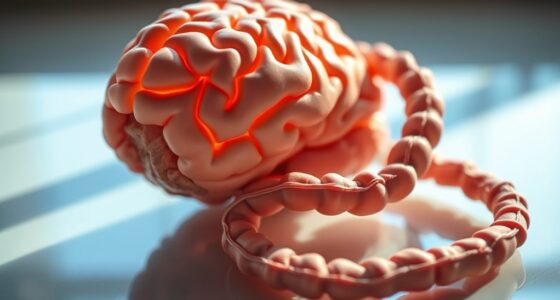
The mind-body connection plays a vital role in healing, as practices like meditation, yoga, and biofeedback help reduce pain, anxiety, and stress by influencing neural pathways and emotional responses. Nearly 20% of adults use these therapies annually, and research shows they can improve immune function and overall well-being. Understanding these techniques and their scientific basis can empower you to incorporate them into your health routine—learn more about how these approaches support lasting healing and wellness.
Key Takeaways
- Mind-body techniques like meditation, yoga, and biofeedback influence neural pathways, reducing pain, anxiety, and improving overall health.
- The bidirectional connection between thoughts, emotions, and physical sensations shapes health outcomes and healing processes.
- Neuroscience shows practices activate brain regions, modulating neural activity and promoting emotional resilience and stress reduction.
- Integrative approaches emphasize trust, communication, and emotional connection to enhance therapy effectiveness and patient engagement.
- Emerging models aim to incorporate standardized protocols and digital tools, expanding the integration of mind-body healing in mainstream healthcare.
The Prevalence and Patterns of Mind-Body Therapy Use

Mind-body therapies have become increasingly popular among adults in the United States, with nearly 19% using at least one such approach in the past year. You might be among those exploring techniques like meditation, yoga, or imagery to improve your well-being. Many users seek professional guidance, with about 20% visiting a mind-body specialist. These therapies are most common among adults aged 40-49, college-educated individuals, singles, and those who’ve used other complementary treatments before. Despite strong evidence supporting their benefits, these approaches are underused for conditions like chronic pain, insomnia, heart disease, and headaches, with less than 20% of affected patients utilizing them. Awareness and acceptance continue to grow, but there’s still room for wider adoption in mainstream healthcare. Additionally, understanding the Law of Attraction can enhance the effectiveness of mind-body practices by aligning your vibrational energy with your healing goals.
Market Trends and Demographics in Integrative Healing

The global market for integrative healing is expanding rapidly, with projections reaching nearly $395 billion by 2030. As more people become health-conscious and seek non-invasive options, demographic shifts show Millennials and older adults driving demand for natural therapies. Understanding these trends can help you better navigate the evolving landscape of mind-body and energy healing practices. Additionally, technological advancements are making holistic health solutions more accessible and personalized, further fueling growth in this sector.
Growing Global Market
Have you noticed how the global market for integrative healing is rapidly expanding? In 2023, it reached roughly $78.58 billion and is projected to hit $394.73 billion by 2030. This growth reflects increased health awareness and aging populations seeking non-invasive, preventative options. Millennials especially prefer natural methods like mindfulness, herbal medicine, and yoga. Governments worldwide are integrating traditional and complementary practices into healthcare systems; in 2023, 88% of countries did so. Regulatory bodies, including the FDA, are tightening safety standards, boosting consumer confidence. The market’s expansion indicates a shift toward holistic health, with more people engaging in mind-body therapies. As awareness grows, so does demand for diverse approaches, making integrative healing a significant component of global healthcare trends. Additionally, the popularity of herbal teas and other natural products aligns with the increasing emphasis on sustainable and organic practices in health-related industries.
Demographic Preferences Shift
As the popularity of integrative healing continues to grow, demographic shifts are shaping who embraces these therapies. You’ll notice younger adults, especially Millennials, favor natural methods like meditation and herbal remedies. Education level influences usage; those with college degrees are more likely to explore mind-body techniques. Unmarried individuals tend to seek alternative healing options more than married counterparts. Analyzing these trends reveals a clear pattern:
| Age Group | Education Level | Marital Status |
|---|---|---|
| 40-49 | College educated | Unmarried |
| 30-39 | Some college | Married |
| 50+ | Varied | Widowed/Divorced |
This shift indicates evolving preferences, driven by health awareness, cultural acceptance, and accessibility. Understanding these demographics helps tailor outreach and improve integration strategies. Additionally, awareness of market trends related to demographic preferences can inform better engagement approaches.
Scientific Evidence Supporting Mind-Body Interventions

Research now shows that mind-body interventions can effectively improve conditions like pain, insomnia, and heart disease. Neuroscience reveals specific neural pathways that connect bodily sensations with emotional and cognitive functions, supporting these benefits. This growing body of evidence confirms that the mind and body are deeply interconnected, making these therapies a scientifically grounded option. Additionally, understanding the role of AI in healthcare technology can aid in developing more targeted and effective treatment strategies.
Evidence of Effectiveness
Growing evidence now supports the effectiveness of mind-body interventions for various health conditions. Research shows that practices like meditation, yoga, and biofeedback can substantially reduce symptoms of chronic pain, insomnia, anxiety, and depression. Clinical trials demonstrate improvements in blood pressure, immune function, and quality of life among patients using these techniques. For example, studies find that mindfulness meditation decreases migraine frequency and enhances emotional regulation. Additionally, mind-body therapies often complement conventional treatments, improving overall outcomes without adverse effects. Large-scale reviews validate their role in managing stress-related conditions and supporting mental well-being. Furthermore, emerging research indicates that automation in healthcare can facilitate more personalized and efficient delivery of these therapies. While more research is needed to identify ideal protocols, current scientific data firmly establish these interventions as credible, evidence-based options for promoting health and healing.
Neural Mechanisms Uncovered
Recent advances in neuroscience have revealed that the brain contains specific neural pathways that link bodily sensations with emotional and cognitive processes. You can see this in how practices like meditation and biofeedback activate regions such as the insula and prefrontal cortex, which process bodily awareness and regulate emotions. Functional MRI scans show that these therapies modulate neural activity, reducing stress responses and enhancing emotional resilience. The connectivity between the somatosensory cortex and limbic areas explains how physical sensations influence mood and vice versa. This neural integration supports the idea that mind-body interventions produce tangible changes in brain function, reinforcing their effectiveness. Recognizing that neural pathways facilitate communication between body and mind helps validate and refine integrative therapies, making them more targeted and personalized for ideal healing outcomes.
Key Techniques in Mind-Body Medicine and Their Applications

Key techniques in mind-body medicine encompass a variety of practices designed to improve physical and mental well-being through focused attention and intentional bodily engagement. These methods target the mind-body connection to reduce stress, alleviate pain, and enhance overall health. You might practice meditation to calm your nervous system or use imagery to foster positive mental states. Yoga and Tai Chi combine movement with breath awareness, promoting balance and flexibility. Biofeedback helps you gain control over physiological functions. Here’s a quick overview:
| Technique | Application |
|---|---|
| Meditation | Stress reduction, mental clarity |
| Yoga | Flexibility, relaxation |
| Biofeedback | Managing pain, anxiety |
| Imagery | Enhancing mood, healing processes |
| Tai Chi | Balance, chronic pain relief |
These techniques are adaptable and can be tailored to your individual needs, making them effective tools for holistic healing.
Understanding the Mind-Body Connection and Its Psychological Effects

Understanding the mind-body connection reveals how your thoughts, emotions, and physical sensations continually influence each other. When you’re stressed or anxious, your body responds with muscle tension, increased heart rate, or digestive changes. Conversely, physical discomfort or illness can trigger emotional responses like fear or frustration. This bidirectional relationship means your mental state can affect your physical health and vice versa. Recognizing this interplay helps you understand how psychological factors contribute to conditions like chronic pain, insomnia, and cardiovascular issues. Being aware of the psychological effects of physical health conditions enables you to adopt targeted strategies for improvement. By becoming aware of these connections, you can actively influence your wellbeing through practices like mindfulness, relaxation, or cognitive strategies. This awareness empowers you to address both mental and physical aspects simultaneously, fostering holistic healing and resilience.
Neurobiological Foundations of Embodied Healing

The intricate relationship between your mind and body extends beyond psychological interactions into the domain of neurobiology. Brain studies reveal neural pathways that connect bodily sensations with emotional and cognitive functions, forming the foundation of embodied healing. These pathways enable your brain to process physical signals and influence mood, stress, and overall health. Neuroplasticity allows these connections to strengthen or weaken over time, supporting healing through mental and physical integration. The table below illustrates key concepts:
| Neural Pathways | Functions | Outcomes |
|---|---|---|
| Sensory-Motor Circuits | Body sensations to brain processing | Emotional regulation |
| Limbic System | Emotions and memory integration | Stress reduction |
| Brain-Body Feedback | Feedback loops for self-regulation | Improved resilience |
| Prefrontal Cortex | Decision-making and control | Enhanced self-awareness |
Understanding neurobiological foundations can empower individuals to actively participate in their healing process.
Emerging Models Explaining Patient-Provider Interactions

How do patient-provider interactions influence the effectiveness of mind-body therapies? You play a pivotal role in shaping these outcomes through emerging models that focus on communication, trust, and emotional connection. These models suggest that the quality of interactions can enhance placebo effects, boost adherence, and facilitate physiological responses that support healing. Techniques like motivational interviewing and shared decision-making are gaining prominence, encouraging collaborative partnerships. As you build rapport, you create a supportive environment where patients feel heard and respected, which amplifies the benefits of mind-body practices. Additionally, understanding the role of sleep and mental health can improve the overall effectiveness of treatment by addressing underlying cognitive and emotional factors. These innovative approaches recognize that effective communication isn’t just a facilitator—it’s integral to the healing process itself.
Challenges and Opportunities in Mainstream Integration

While effective patient-provider interactions can markedly enhance the benefits of mind-body therapies, integrating these approaches into mainstream healthcare systems presents notable challenges. You may encounter skepticism from practitioners used to conventional treatments or lack of standardized protocols for mind-body practices. Reimbursement issues also pose barriers, as insurance often doesn’t cover many therapies like meditation or yoga. Additionally, integrating these approaches requires training providers to deliver evidence-based interventions confidently. Regulatory concerns and safety standards must be established, especially with new digital health tools. Despite these hurdles, opportunities exist to expand acceptance by strengthening scientific evidence, fostering interdisciplinary collaborations, and promoting education for healthcare professionals. Emphasizing patient-centered care and demonstrating cost-effectiveness can further facilitate the integration of mind-body therapies into mainstream medicine.
Future Directions for Research and Practice

Advancing research on mind-body therapies is essential to solidify their role in mainstream healthcare. You should focus on conducting rigorous, large-scale studies that compare the effectiveness of different techniques across diverse populations. Emphasize uncovering underlying mechanisms to personalize treatments and improve outcomes. Developing standardized protocols and integrating digital health tools can enhance accessibility and consistency. Collaboration between researchers, clinicians, and policymakers will be pivotal to establish evidence-based guidelines and secure funding. Additionally, fostering education about mind-body practices within medical curricula can promote broader acceptance. As research progresses, you’ll want to prioritize translating findings into practical applications, ensuring practitioners and patients have clear, reliable information to make informed decisions about integrating these therapies into standard care.
Frequently Asked Questions
How Do Individual Differences Influence Responses to Mind-Body Therapies?
Your individual differences greatly influence how you respond to mind-body therapies. Factors like age, education, health status, and previous experience shape your engagement and effectiveness. For example, if you’re more open-minded or have prior familiarity with these practices, you’re likely to benefit more. Your unique biological makeup, psychological state, and cultural background also play roles, making personalized approaches essential for optimizing outcomes and ensuring the therapies resonate with your specific needs.
What Role Does Culture Play in Mind-Body Healing Practices?
Culture shapes your perception and acceptance of mind-body healing practices, blending tradition with personal beliefs. While some cultures embrace practices like acupuncture or meditation as integral to health, others may view them skeptically. Your cultural background influences how you approach, trust, and engage with these therapies, either enhancing their effectiveness or creating barriers. Recognizing this helps tailor treatments that resonate deeply with your cultural values and health beliefs.
Are There Any Potential Risks or Contraindications With Mind-Body Therapies?
You should be aware that mind-body therapies can have potential risks or contraindications. For example, certain techniques like hypnosis or deep meditation might trigger emotional distress or exacerbate mental health issues if not properly guided. Some practices may also interfere with medical treatments or aren’t suitable for pregnant women, individuals with severe psychiatric disorders, or those with specific health conditions. Always consult your healthcare provider before starting any new therapy.
How Can Practitioners Tailor Interventions for Specific Medical Conditions?
You might think a one-size-fits-all approach works, but you’re wrong. To tailor interventions, first assess your patient’s unique condition, preferences, and lifestyle. Use evidence-based techniques like meditation for stress or yoga for flexibility. Adjust intensity and duration accordingly, monitor responses, and stay flexible. Personalization isn’t just a trend; it’s essential for effectiveness. When you customize, your patients are more likely to experience real, lasting benefits.
What Are the Most Promising Technological Innovations Enhancing Mind-Body Medicine?
You should explore innovations like digital health tools, virtual reality, and biofeedback devices that enhance mind-body medicine. These technologies enable real-time monitoring, personalized interventions, and immersive experiences that boost relaxation and mindfulness practices. By integrating wearable sensors and AI-driven apps, you can tailor therapies to individual needs, improve engagement, and track progress more effectively, making mind-body approaches more accessible, precise, and impactful for diverse patient populations.
Conclusion
As you explore the evolving world of mind-body healing, you’ll discover how these approaches are reshaping health care. With breakthroughs on the horizon and new techniques emerging, the potential is vast—yet the journey is just beginning. Will future research unveil even deeper healing powers? Stay curious, because what lies ahead could transform the way you understand and experience wellness forever. The next chapter in integrative healing is waiting to be written—are you ready to be a part of it?