
Stress affects your gut health by disrupting your microbiota and weakening the gut barrier, making it more permeable. It triggers signals like cortisol and neurotransmitters that affect digestion, motility, and sensitivity, often leading to discomfort or bloating. Your diet and mental state influence this connection, with cultural habits playing a role too. Understanding this complex brain-gut relationship can help you take steps for better digestive health—exploring further reveals how to support your gut resilience.
Key Takeaways
- Stress hormones like cortisol increase gut permeability and disrupt tight junctions, leading to a “leaky gut.”
- The gut-brain axis involves bidirectional communication via neurotransmitters and hormones affecting gut motility and sensitivity.
- Psychological stress heightens gut sensitivity, causing symptoms like bloating, pain, and irregular bowel movements.
- Stress-induced microbiota changes promote inflammation, further impairing gut barrier function and contributing to dysbiosis.
- Diet and cultural factors influence resilience to stress-related gut issues by supporting beneficial microbiota and reducing inflammation.
The Impact of Stress on Gut Barrier Function and Microbiota

Have you ever wondered how stress directly affects your gut’s barrier function and microbial balance? When you’re stressed, your body releases hormones that can weaken the tight junctions in your intestinal lining. This makes your gut more permeable, leading to a “leaky gut” where toxins and bacteria can pass into your bloodstream. Chronic stress also disrupts your microbiota, reducing beneficial bacteria and allowing harmful ones to flourish. This imbalance promotes inflammation, which further damages your gut barrier. As a result, you may experience symptoms like bloating, diarrhea, or constipation. Managing stress through relaxation techniques or lifestyle changes can help protect your gut barrier and maintain a healthy microbial balance, supporting overall gut health.
The Role of Neurotransmitters and Hormones in the Gut-Brain Axis

Neurotransmitters and hormones play a essential role in mediating communication between your gut and brain within the gut-brain axis. They help regulate mood, digestion, and immune responses, influencing how stress impacts your overall health. Stress triggers the release of chemicals like catecholamines and cortisol, which alter gut function and microbiota composition. These messengers can increase gut sensitivity and motility, leading to discomfort or symptoms like diarrhea or constipation. They also affect the permeability of your intestinal barrier, contributing to inflammation. Understanding this hormonal and neurotransmitter dialogue clarifies how emotional states directly influence digestive health. Additionally, recent research highlights how gut microbiota can influence the production of neurotransmitters, further connecting mental health and gut function.
Psychological Stress and Its Effects on Digestive Health

When you’re under psychological stress, you might notice increased gut sensitivity or discomfort. Anxiety can make digestion more unpredictable, leading to symptoms like diarrhea or constipation. Stress also influences gut motility, which can worsen conditions like IBS or IBD.
Anxiety and Gut Sensitivity
Anxiety, as a form of psychological stress, markedly influences gut sensitivity and overall digestive health. When you’re anxious, your gut becomes more reactive, leading to symptoms like pain, bloating, and irregular bowel movements. This heightened sensitivity results from increased nerve signaling and inflammation within the gut.
- It amplifies visceral pain, making normal sensations feel uncomfortable.
- It lowers the threshold for discomfort during digestion.
- It worsens conditions like irritable bowel syndrome (IBS).
- It heightens awareness of gut bloating and gas.
- It triggers stress hormones that further disrupt gut function.
- Understanding Gold IRA Rollovers can help you diversify your investments and reduce financial stress, indirectly supporting overall well-being.
Recognizing this connection helps you understand how anxiety can intensify digestive issues, creating a cycle that affects your overall well-being. Managing anxiety can, consequently, improve gut health and reduce sensitivity.
Stress-Induced Motility Changes
Psychological stress directly impacts your digestive system by altering gut motility, which is the movement of muscles that propel food through your gastrointestinal tract. When you’re stressed, your body releases hormones like adrenaline and cortisol that disrupt normal muscle contractions. This can cause your gut to speed up, leading to diarrhea, or slow down, resulting in constipation. These motility changes often increase gut sensitivity, making you more prone to discomfort and pain. Stress also affects the coordination between different sections of your intestines, worsening symptoms of irritable bowel syndrome (IBS) and inflammatory bowel disease (IBD). Over time, these disruptions can impair nutrient absorption and disturb your gut’s overall balance. Additionally, high-quality projectors with precise color calibration can help create a more relaxing environment that may alleviate some stress-related symptoms. Managing stress is essential to maintaining healthy motility and digestive function.
How Diet Modulates the Stress-Gut Relationship

Your diet plays a vital role in shaping how stress affects your gut, especially through the types of foods you choose. Eating more fiber-rich fruits and vegetables helps promote beneficial bacteria, which can buffer stress’s negative impacts. Cultural dietary patterns also influence this relationship, affecting how your body responds to stress across different populations. Additionally, consuming foods with antioxidants and anti-inflammatory properties can further support gut health and resilience to stress air quality improvement by reducing systemic inflammation linked to poor diet and stress.
Dietary Impact on Microbiota
Diet plays a essential role in shaping the gut microbiota and can profoundly influence how stress affects your digestive health. When you eat a balanced, nutrient-rich diet, you support beneficial bacteria that help buffer stress’s negative effects. Conversely, poor dietary choices can lead to dysbiosis, increasing inflammation and gut permeability. Your diet impacts microbiota diversity, energy production, and immune responses, all of which are critical during stressful periods. By choosing foods wisely, you can help maintain a resilient gut microbiome that resists stress-induced imbalances.
- Consuming diverse, colorful fruits and vegetables boosts beneficial bacteria
- Limiting processed foods reduces harmful bacteria proliferation
- Incorporating fermented foods introduces probiotic strains
- Avoiding excessive sugar prevents microbiota imbalance
- Staying hydrated supports overall gut health and resilience
- Proper bike tire maintenance ensures optimal performance and safety during outdoor activities, which can also help reduce stress levels.
Fiber’s Role in Stress
Have you ever wondered how fiber influences your body’s response to stress? When you eat enough fiber, especially from fruits, vegetables, and whole grains, you support the growth of beneficial gut bacteria. These bacteria produce short-chain fatty acids (SCFAs), which help reduce inflammation and strengthen your gut barrier. A healthy gut barrier prevents toxins and bacteria from translocating into your bloodstream, a process worsened by stress. Fiber also promotes microbiota diversity, making your gut more resilient to stress-related shifts. Plus, fiber slows digestion, helping regulate gut motility and sensitivity. Additionally, top mattress toppers can provide comfort during rest, supporting overall well-being. Overall, a fiber-rich diet can buffer some of stress’s negative effects on your gut, helping you maintain better gut health and potentially easing stress-related gastrointestinal symptoms.
Cultural Diet Variations
Cultural dietary patterns play a significant role in shaping how stress affects gut health. Your diet, shaped by cultural traditions, influences gut microbiota diversity, immune responses, and barrier function, all of which modulate stress’s impact. For example, Mediterranean diets rich in fruits, vegetables, and healthy fats support beneficial bacteria, reducing inflammation caused by stress. Conversely, diets high in processed foods and sugars common in some cultures can promote dysbiosis and inflammation, worsening stress effects. Traditional fermented foods like kimchi or yogurt introduce probiotics that enhance gut resilience. Additionally, specific spices and herbs used in different cuisines can have anti-inflammatory properties, offering protective effects during stressful periods. Regularly consuming fermented foods can help maintain a healthy gut microbiome, especially during times of stress. Understanding these cultural variations helps tailor strategies to maintain gut health amid stress.
Mechanisms Leading to Gut Dysbiosis Under Stress
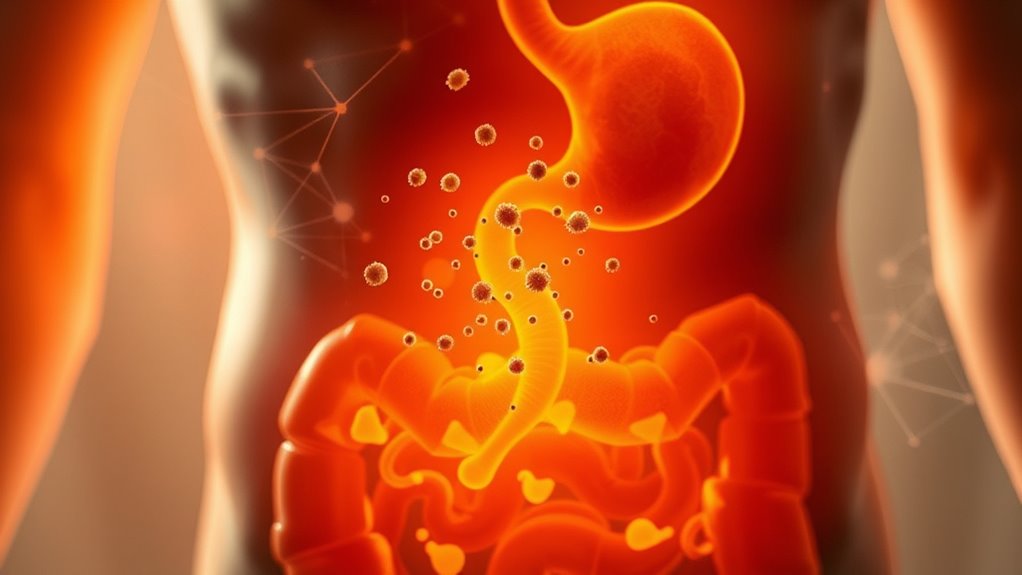
Stress triggers a series of physiological responses that directly disrupt the balance of your gut microbiota, leading to dysbiosis. When you’re stressed, your body releases catecholamines and cortisol, which influence bacterial growth. These hormones promote the proliferation of pathogenic bacteria while reducing beneficial ones. Additionally, stress increases inflammation and gut barrier permeability, allowing harmful bacteria to translocate and further disturb microbial balance.
| Mechanism | Effect |
|---|---|
| Pathogenic bacteria increase | Crowds out beneficial bacteria, causing imbalance |
| Barrier disruption | Bacteria cross gut barrier, leading to systemic issues |
| Hormonal influence | Catecholamines heighten harmful bacteria levels |
Challenges in Researching Stress and Gut Health

Researching how stress impacts gut health presents numerous challenges due to the complexity of human biology and individual variability. You face difficulties in replicating real-life stressors in laboratory settings, making it hard to standardize findings. The human microbiome varies widely among individuals, complicating the identification of universal patterns. Different types and intensities of stress influence gut health differently, but these effects aren’t fully understood. Cultural and lifestyle differences further muddy the waters, affecting how stress impacts diverse populations. Additionally, translating results from animal studies into humans remains problematic. These factors make it tough to develop consistent, evidence-based strategies for managing stress-related gut issues. AI in Education
Future Perspectives in Stress-Related Gut Health Strategies
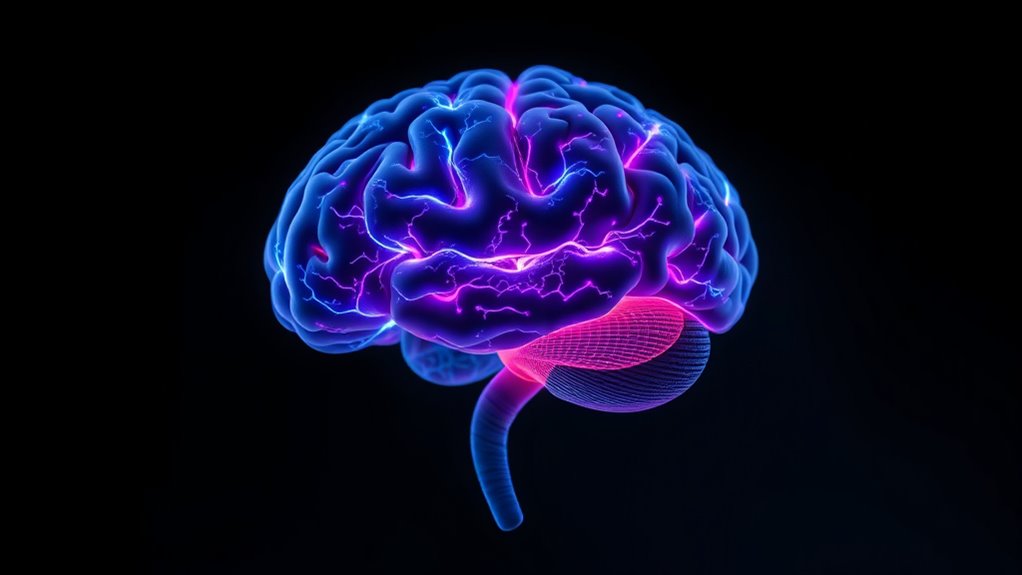
Advances in understanding the gut-brain axis and microbiome modulation are paving the way for innovative strategies to manage stress-related gut health issues. You can expect personalized approaches that target microbiota composition, such as tailored probiotics, prebiotics, and dietary plans to restore balance. Emerging therapies may include microbiota-based interventions like fecal microbiota transplantation, aiming to rebuild a healthy microbiome and reduce inflammation. Additionally, stress management techniques like mindfulness, meditation, and exercise are increasingly integrated into treatment protocols. Future research will likely focus on understanding individual responses to stress and microbiome changes, allowing for more precise, culturally sensitive strategies. Knowledge of soaring and gliding techniques highlights the importance of careful preparation and monitoring, which can be applied metaphorically to managing gut health through consistent, informed practices. Combining these approaches holds promise for enhancing resilience, improving gut barrier integrity, and ultimately supporting mental health through a holistic, brain-gut-focused pathway.
Frequently Asked Questions
Can Stress-Induced Gut Issues Be Completely Reversed?
Stress-induced gut issues can’t be fully reversed, but you can considerably improve them. By managing stress through techniques like meditation, exercise, and maintaining a healthy diet rich in fiber and probiotics, you support your gut’s recovery. Consistent lifestyle changes help restore balance to your microbiome and reduce inflammation. Keep in mind, individual responses vary, so ongoing care and personalized strategies are essential for ideal gut health.
How Quickly Can Diet Changes Improve Stress-Related Gut Problems?
Diet changes can start improving your stress-related gut problems within days to a few weeks. Incorporating more fiber-rich foods, fruits, and vegetables promotes beneficial bacteria and reduces inflammation. Consistency is key; sticking to a healthy diet helps restore microbiota balance and strengthens gut barrier function. While individual factors vary, many people notice reduced symptoms and better gut health relatively quickly when they make dietary adjustments.
Do Genetic Factors Influence Individual Gut Responses to Stress?
Did you know that genetics can account for up to 30% of your gut response to stress? Yes, your genes play a significant role in how your gut reacts, influencing factors like microbiota composition and barrier integrity. You might be more prone to stress-related gut issues if certain genetic markers are present. Understanding this helps tailor personalized strategies, such as diet and stress management, to better support your gut health.
Are There Specific Probiotics Proven to Counteract Stress Effects on the Gut?
Yes, certain probiotics have shown promise in counteracting stress effects on your gut. Strains like Lactobacillus rhamnosus, Bifidobacterium longum, and Lactobacillus helveticus can help restore gut microbiota balance, reduce inflammation, and improve gut barrier function. Incorporating probiotic-rich foods or supplements containing these strains may help you manage stress-related gut issues, but it’s best to choose products with proven efficacy and consult with a healthcare professional.
How Does Chronic Stress Uniquely Impact Gut Health Compared to Acute Stress?
Did you know that chronic stress can decrease beneficial gut bacteria by up to 40%, unlike acute stress? Chronic stress uniquely impacts your gut by increasing gut permeability, promoting harmful bacteria growth, and causing persistent inflammation. This leads to long-term issues like IBS and dysbiosis. Unlike short-term stress, chronic stress continuously disrupts gut function, making it harder for your body to recover and maintain a healthy microbiome.
Conclusion
Understanding the brain-gut connection reveals how stress can disrupt your digestive health and microbiota balance. By managing stress and making mindful dietary choices, you can support your gut’s resilience. But aren’t you curious how much your mental state directly influences your overall well-being? Recognizing this powerful link empowers you to take control and foster a healthier, more balanced gut, ultimately enhancing your quality of life.