
Relying solely on wellness tracking devices can give you a false sense of security and cause you to overlook subtle signals from your body and mind. These gadgets may misinterpret data or miss early signs of fatigue, stress, or emotional shifts. Your body communicates nuanced cues that technology can’t fully capture. To truly understand your health, you need to stay aware of your feelings and reactions. If you want to explore how blending self-awareness with technology can improve your wellness, keep going.

Get travel and outdoor gear delivered free with Prime
- Fast, free delivery on millions of items
- Prime Video, Amazon Music and more included
- Member-only deals all year
Key Takeaways
- Wellness tracking devices can misinterpret data and miss subtle emotional or mental health cues.
- Self-awareness captures nuanced signals from the body and mind that technology may overlook.
- Overreliance on data can cause false reassurance and neglect of subjective feelings and early warning signs.
- Critical thinking about device accuracy is essential to avoid misjudging health status.
- Combining technology with self-awareness provides a comprehensive approach to genuine wellness.

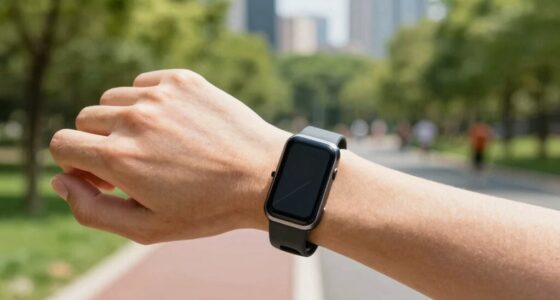
In today’s fast-paced world, tracking your wellness isn’t just a trend—it’s a powerful tool for building self-awareness. With the rise of tech gadgets like fitness bands and smartwatches, it’s tempting to rely solely on these devices to understand your health. But while they can provide valuable insights, they shouldn’t replace the deeper understanding you gain from listening to your body and mind. Data accuracy is a key concern here; no matter how advanced your gadgets are, they can sometimes misinterpret signals or miss subtle cues. Relying solely on this data might lead you to false conclusions or a false sense of security, which could be dangerous. For example, a smartwatch might record your heart rate as normal, but you could still feel fatigued or anxious—signs that technology might not catch.
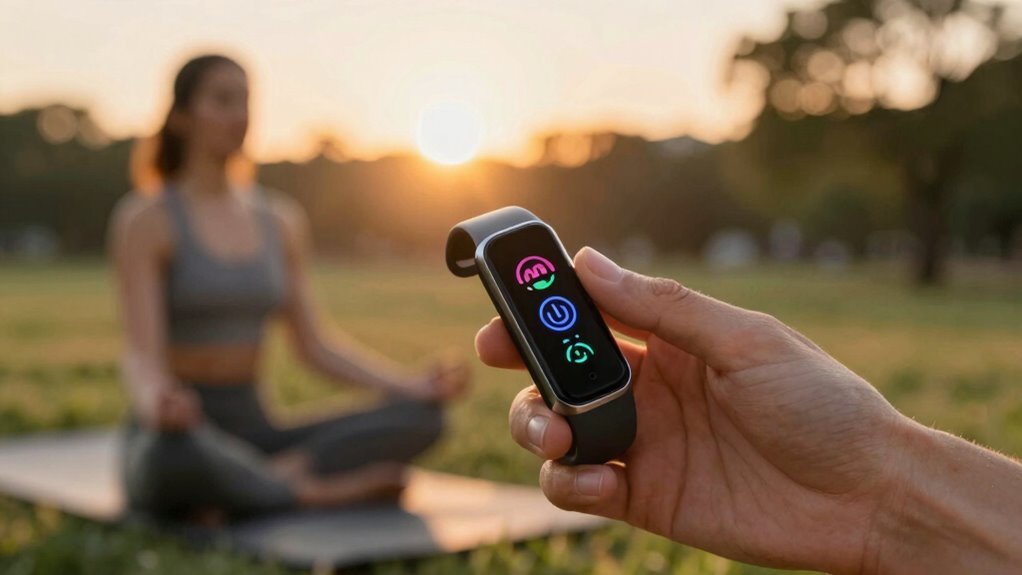
Technology can certainly enhance your awareness, but it’s important to remember it’s only a tool, not a substitute for your intuition. Your body sends signals that are often more nuanced than what tech gadgets can detect. Stress, emotional shifts, or early signs of illness sometimes manifest in ways that aren’t immediately measurable or apparent through data. If you depend only on numbers, you risk ignoring these subtle cues, which are crucial for maintaining true wellness. Self-awareness requires reflection, observation, and understanding your own patterns—things that technology can support but shouldn’t replace. Recognizing the limitations of data helps you stay grounded and avoid overreliance on technology. Additionally, understanding the accuracy of health data is essential for making informed decisions about your wellbeing. Developing a critical perspective on the reliability of devices ensures you stay cautious about how much weight you give to digital metrics. Being aware of potential data inaccuracies can prevent misinterpretation and overconfidence in the information provided.
Furthermore, tech gadgets can sometimes create a false sense of control, making you believe that data alone defines your health. This mindset can lead to obsessing over numbers, which may cause unnecessary anxiety or frustration if the data doesn’t align with how you’re truly feeling. Remember, wellness is multifaceted, involving emotional, mental, and physical aspects. While data can guide you, it shouldn’t dictate your entire health journey. Your gut feelings, mood, and personal experiences are equally important in shaping your understanding of wellness. It’s also essential to recognize that data limitations can affect how accurately your gadgets reflect your overall health.
Ultimately, technology is a valuable supplement, but it’s not a substitute for genuine self-awareness. Your body and mind are complex, and their signals can’t always be perfectly captured by devices. Cultivating a mindful approach—paying attention to how you feel, noticing shifts in energy or mood, and reflecting on your habits—gives you a more complete picture of your health. Combining tech gadgets with self-awareness creates a balanced strategy that empowers you to make better, more informed choices about your wellness.
Products Worth Considering

Bose QuietComfort Ultra Earbuds (2nd Gen), Deep Plum

GoPro Hero12 Black Waterproof Action Camera with 5.3K60 Video and 27MP Photos

Travelpro Maxlite Rolling Garment Bag, Black, 24-Inch
As an affiliate, we earn on qualifying purchases.
Frequently Asked Questions
How Can I Balance Wellness Tracking With Daily Life?
You can balance wellness tracking with daily life by practicing mindful integration, ensuring it enhances rather than overwhelms your routine. Set realistic goals and use the data for personal reflection, not as a source of stress. Prioritize quality over quantity, and remember to listen to your body and mind. This way, tracking becomes a helpful tool that supports your well-being without taking away from present-moment awareness.
What Are Common Pitfalls of Relying Solely on Tracking Devices?
About 50% of tracking device users face data accuracy issues, leading you to rely on potentially misleading info. Relying solely on these devices risks privacy concerns, as personal health data can be vulnerable. You might miss important cues your body gives you, ignoring self-awareness. Overdependence on trackers can give a false sense of control, making you overlook the nuanced signals your body sends—ultimately hindering your overall well-being.
How Do Cultural Differences Affect Self-Awareness Practices?
Cultural perceptions heavily influence your self-awareness practices, shaping how you interpret your feelings and health. In some cultures, open expression is encouraged, boosting self-awareness, while others promote restraint, which might limit it. Recognizing these differences helps you understand that self-awareness isn’t one-size-fits-all. Embracing diverse cultural perspectives allows you to develop more personalized and meaningful self-awareness practices, rather than relying solely on universal wellness tracking methods.
Can Wellness Tracking Replace Professional Health Advice?
You shouldn’t rely solely on wellness tracking to replace professional health advice, especially since studies show digital dependency is on the rise. While these tools offer valuable insights, data accuracy can vary, leading to potential misinterpretations. By trusting technology over experts, you risk overlooking nuanced health issues. Always consult healthcare professionals for personalized advice, as wellness trackers are best used as supplementary tools, not substitutes for expert guidance.
What Are Signs I’m Over-Relying on Health Gadgets?
You might be over-relying on health gadgets if you constantly obsess over data, dismiss intuitive feelings, or feel anxious without them. Overdependence risks turning your well-being into a numbers game, reducing self-awareness. Gadget obsession can lead you to ignore your body’s natural cues, making you overly dependent on tech rather than trusting your instincts. Remember, tools should support, not replace, your understanding of your own health.
Conclusion
Remember, while wellness tracking tools can be handy, they shouldn’t replace your innate self-awareness—your own internal compass. Think of it as your personal oracle, like having a wise old sage from a time when self-knowledge was treasured above all. Keep using these tools as guides, but trust your gut and intuition. After all, no device can truly understand what’s happening within you, so stay attuned to your body’s whispers—your true north in this modern age.