To achieve carbon-neutral data centers without sacrificing performance, you should focus on sourcing renewable energy like solar or wind, and optimize energy efficiency through advanced cooling systems and smart power management. Integrating energy storage solutions guarantees a steady green power supply. Using AI-driven analytics and modular designs helps cut emissions and costs. To discover more about building sustainable, high-performing data centers, keep exploring the strategies that enable powerful computing with minimal environmental impact.
Key Takeaways
- Transitioning to renewable energy sources like wind, solar, and hydro significantly reduces data centers’ carbon footprint.
- Implementing energy-efficient cooling and hardware upgrades minimizes power consumption while maintaining high performance.
- Integrating energy storage solutions ensures a steady renewable energy supply, supporting continuous, green operations.
- Utilizing AI-driven analytics optimizes energy use, enhancing efficiency without compromising computing capabilities.
- Sustainable infrastructure design and modular expansions help achieve scalability and environmental goals simultaneously.

Have you ever wondered how data centers can reduce their environmental impact? The answer lies in adopting sustainable practices that focus on renewable energy and energy efficiency. Data centers are notorious for consuming massive amounts of electricity, much of which comes from fossil fuels. Transitioning to renewable energy sources like wind, solar, or hydroelectric power can significantly cut their carbon footprint. By sourcing energy from these clean alternatives, you not only reduce greenhouse gas emissions but also demonstrate a commitment to sustainability that resonates with customers and stakeholders alike. But switching to renewable energy isn’t enough on its own; optimizing energy efficiency within the data center is equally vital.
Imagine your data center operating at peak energy efficiency—cooling systems are optimized, hardware is upgraded regularly, and power usage is meticulously monitored. Advanced cooling techniques, such as free cooling or liquid cooling, can drastically reduce the amount of energy needed to keep equipment cool. Implementing intelligent power management allows you to match energy consumption with real-time demands, preventing waste. These measures make your data center not just greener but also more cost-effective, saving money in the long run while reducing environmental impact.
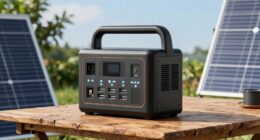
Integrating renewable energy sources with energy-efficient infrastructure creates a synergistic effect. Solar panels installed on the facility’s roof or nearby solar farms can generate clean electricity during peak daylight hours, supplementing the grid supply. Similarly, wind turbines can provide power during windy periods, ensuring a steady supply of renewable energy. The use of energy storage solutions like batteries ensures that excess renewable energy isn’t wasted and can be used when demand spikes or renewable generation dips. This combination guarantees that your data center operates mainly on renewable power, making it truly carbon-neutral.
Furthermore, embracing energy efficiency involves adopting cutting-edge technologies. AI-driven analytics can optimize energy consumption patterns, identifying areas where efficiency can be improved. Modular designs allow you to scale infrastructure as needed, avoiding overcapacity and unnecessary energy use. Regular audits and performance assessments help identify inefficiencies early, enabling proactive improvements. Home decor solutions such as wall organization systems and lighting can also contribute to creating a more sustainable and efficient workspace environment.

KNKA Air Purifier for Home Bedroom Large Room Up to 1,695 Ft² in 1 Hr, HEPA Air Cleaner with Washable Pre-Filter, AQI Display, ECO Mode, Sleep Mode, Pet Mode for Pets, Dust, Pollen, APH4000
𝐇𝐢𝐠𝐡 𝐂𝐀𝐃𝐑 𝐕𝐚𝐥𝐮𝐞: This air purifier provides reliable performance with a Smoke/Dust/PM2.5 CADR of 226 CFM (384 m³/h)...
As an affiliate, we earn on qualifying purchases.
Frequently Asked Questions
How Do Carbon-Neutral Data Centers Impact Overall Energy Costs?
You’ll find that carbon-neutral data centers can lower your overall energy costs by leveraging renewable energy sources. Although initial investments might be higher, the long-term savings on energy bills are significant. Plus, using renewable energy reduces reliance on fossil fuels, helping you achieve cost savings and sustainability goals simultaneously. This approach not only benefits your budget but also supports environmental responsibility, making your operations more efficient and eco-friendly.
What Are the Main Challenges in Transitioning to Green Compute?
Imagine a winding road filled with obstacles—this is what shifting to green compute feels like. You face challenges like a fragile supply chain that struggles to keep up with demand, and technological innovation that’s still catching up to sustainability goals. Overcoming these hurdles requires patience, collaboration, and investment. By addressing supply chain issues and fostering innovation, you can pave the way for a smoother, more sustainable energy future.
Can Existing Data Centers Be Retrofitted to Become Carbon-Neutral?
You can retrofit existing data centers to become carbon-neutral by implementing effective retrofitting strategies and integrating renewable energy sources. Upgrading cooling systems, optimizing energy efficiency, and installing solar or wind power help reduce carbon footprints. While it requires investment and planning, retrofitting is feasible and impactful, allowing you to transform current infrastructure into sustainable operations without building from scratch. This approach supports your goals for greener, more responsible computing.
How Do Carbon-Neutral Data Centers Affect Data Security and Privacy?
Data security and privacy are pivotal in deploying carbon-neutral data centers. You’ll find that focusing on data encryption and maintaining privacy compliance protects sensitive information while supporting sustainability goals. By prioritizing robust security protocols, you prevent breaches and preserve trust. As you adapt to greener operations, ensuring security measures stay strong safeguards your data’s integrity and privacy, proving that sustainable solutions can simultaneously secure sensitive information without compromise.
What Government Policies Support the Development of Green Data Centers?
You’ll find that government policies support green data centers through renewable incentives and clear regulatory frameworks. These policies encourage the adoption of renewable energy sources, making it easier for you to develop sustainable facilities. By offering tax breaks, grants, and streamlined regulations, governments aim to reduce environmental impact while promoting innovation. Staying informed about these policies helps you leverage available support, ensuring your data center remains both eco-friendly and compliant with evolving standards.

LEVOIT Air Purifier for Home Bedroom Dorm Room, Smart & Voice Control, AHAM VERIFIED, 3-in-1 Filter With HEPA Sleep Mode, for Pollen, Pollutants, Smoke, Dander, Dust, Core 200S-P, White
𝐖𝐇𝐘 𝐂𝐇𝐎𝐎𝐒𝐄 𝐀𝐇𝐀𝐌 𝐕𝐄𝐑𝐈𝐅𝐈𝐃𝐄 𝐀𝐈𝐑 𝐏𝐔𝐑𝐈𝐅𝐈𝐄𝐑𝐒: AHAM (Association of Home Appliance Manufacturers) is an ANSI-accredited organization that sets...
As an affiliate, we earn on qualifying purchases.
Conclusion
As you consider the future of data centers, one thing becomes clear: achieving true carbon neutrality isn’t just a lofty goal—it’s within your reach. But the path forward is complex, filled with challenges and breakthroughs waiting to happen. Will you be the one to drive the change? The next chapter in green computing is unfolding, and your actions could tip the scales. Stay tuned—what’s coming next might just redefine what’s possible.

WINIX 5510 Air Purifier (New Generation of 5500-2 with App Support) for Home Large Room Up to 1881 Ft² in 1 Hr, True HEPA, High Deodorization Carbon Filter and Auto Mode, Captures Pet Allergies, Smoke
𝐀𝐇𝐀𝐌 𝐕𝐞𝐫𝐢𝐟𝐢𝐝𝐞 𝐚𝐭 𝟑92 𝐬𝐪 𝐟𝐭.: Also cleans rooms up to 1,882 sq ft in 1 hour (941...
As an affiliate, we earn on qualifying purchases.
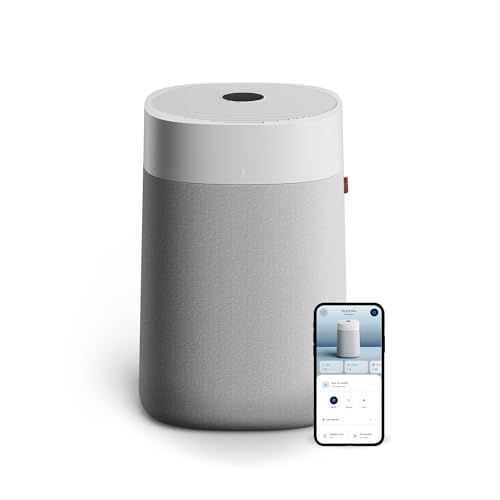
BLUEAIR Air Purifiers for Large Rooms, Cleans 3,048 Sqft In One Hour, HEPASilent Smart Air Cleaner For Home, Pets, Allergies, Virus, Dust, Mold, Smoke - Blue Pure 211i Max
BLUEAIR’S TOP-PERFORMING AIR PURIFIER LINE: Blue family’s new Pure Max series with our proprietary HEPASilent performance now even...
As an affiliate, we earn on qualifying purchases.