

Digital therapeutics are apps and software that use evidence-based methods to prevent, manage, or treat health conditions, actively improving your health outcomes. They are clinically validated and often integrate wearable devices to monitor your progress in real time. These tools are regulated to guarantee safety and effectiveness, making them a trustworthy addition to your healthcare routine. As you explore further, you’ll discover how these innovative solutions may transform your approach to health and healing.

Get travel and outdoor gear delivered free — and shop member deals
- Fast, free delivery on millions of items
- Access to Prime Big Deal Days deals on October 6–7
- Prime Video, Amazon Music and more included
Key Takeaways
- Digital therapeutics are evidence-based apps designed to prevent, manage, or treat medical conditions with proven clinical efficacy.
- They incorporate validated interventions and often include wearable technology for real-time health data collection.
- Regulatory approval ensures their safety, effectiveness, and credibility, requiring rigorous clinical validation.
- Clinically proven digital therapeutics offer personalized, scalable, and cost-effective healthcare solutions.
- Ongoing research and regulatory oversight help ensure these apps provide safe, reliable, and scientifically validated treatment options.
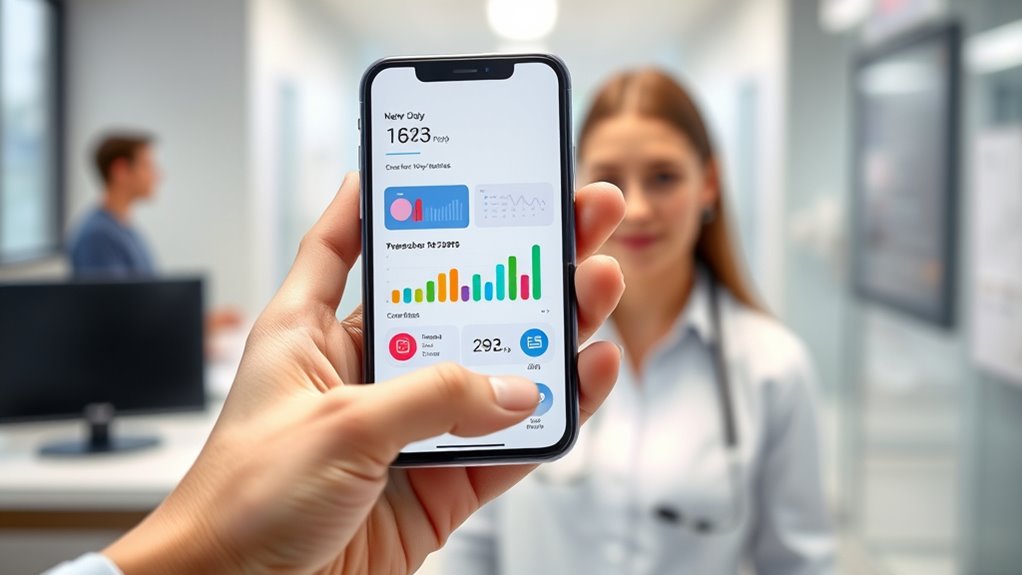
Have you ever wondered how technology is transforming healthcare? Digital therapeutics are at the forefront of this revolution, offering evidence-based interventions delivered through apps and software designed to prevent, manage, or treat medical conditions. These tools aren’t just about tracking health—they’re about actively improving it, often with clinical validation to back their effectiveness. As you explore this field, you’ll notice how wearable integration plays a vital role. Wearables, like smartwatches and fitness trackers, seamlessly connect with digital therapeutic apps, providing real-time data such as heart rate, activity levels, sleep patterns, and more. This integration allows for more personalized treatments, as the app can adapt its recommendations based on your actual health metrics. With continuous data flow, your healthcare becomes more dynamic, targeted, and responsive to your needs.
However, integrating wearables isn’t without its hurdles. Regulatory challenges loom large in this space. Since digital therapeutics are designed to have a direct impact on health outcomes, they often fall under strict regulatory scrutiny, similar to traditional medical devices and pharmaceuticals. Developers and providers must navigate complex approval processes, demonstrate clinical efficacy, and guarantee safety standards are met before these apps reach users. This can slow down innovation and limit how quickly new digital therapeutics are brought to market. Furthermore, maintaining compliance involves ongoing updates to meet evolving regulations, which demands significant resources and expertise. You should be aware that these regulatory challenges aren’t just bureaucratic hurdles—they’re essential to certify that digital therapeutics are safe, effective, and reliable. They help safeguard users from unproven or potentially harmful solutions, fostering trust in these innovative tools. Additionally, the involvement of regulatory oversight ensures that digital therapeutics undergo rigorous clinical validation, which enhances their credibility and adoption in mainstream healthcare.
Despite these challenges, the potential of digital therapeutics remains enormous. When properly regulated and integrated with wearable technology, they can deliver scalable, cost-effective, and personalized healthcare solutions. For you, this means more accessible treatment options, better disease management, and even preventive care that fits into your daily routine. As the field matures, expect to see more apps backed by rigorous clinical evidence, working hand-in-hand with wearable devices to monitor progress and adjust therapies in real-time. While regulatory challenges may slow progress temporarily, they ultimately guarantee that digital therapeutics are safe and effective, paving the way for a future where technology truly transforms how we heal and stay healthy.
Frequently Asked Questions
How Do Digital Therapeutics Compare to Traditional Treatments?
When comparing digital therapeutics to traditional treatments, you’ll find they often offer better cost effectiveness and higher user engagement. These apps provide accessible, personalized care that can complement or sometimes replace in-person visits, making treatment more affordable. Plus, they keep you actively involved in your healing process, encouraging consistent use and better outcomes. Digital therapeutics can be a convenient, engaging option that works alongside traditional methods for improved health management.
Are Digital Therapeutics Suitable for All Age Groups?
Like a versatile tool in your kit, digital therapeutics can suit various age groups, but their effectiveness depends on age-specific accessibility and user engagement strategies. Younger users might navigate apps easily, while older adults may need simplified interfaces. These strategies guarantee everyone benefits. So, digital therapeutics aren’t one-size-fits-all, but with thoughtful design, they can be adapted to serve all age groups effectively.
What Evidence Supports the Effectiveness of These Apps?
You might wonder if these apps really work. Evidence from clinical trials and peer-reviewed studies shows that digital therapeutics can effectively treat conditions like depression, diabetes, and anxiety. These studies demonstrate significant improvements in health outcomes when you use these apps as part of your treatment plan. The rigorous research backing their efficacy guarantees you’re using tools that have been scientifically validated to support your health.
How Is Patient Privacy Protected in Digital Therapeutics?
Your privacy in digital therapeutics is protected like a fortress. Developers use data encryption to secure your sensitive information and guarantee it can’t be accessed by unauthorized parties. Plus, they require your explicit user consent before collecting or sharing data, giving you full control over your personal health details. This careful approach keeps your privacy safe while you enjoy the benefits of these innovative health apps.
Can Digital Therapeutics Replace In-Person Therapy Sessions?
You might wonder if digital therapeutics can replace in-person therapy sessions. While these apps offer valuable virtual support and increased app accessibility, they often work best as a supplement rather than a replacement. They provide convenient, on-demand assistance, but complex issues may still require face-to-face interaction. So, consider digital tools as an enhancement to traditional therapy, helping you maintain progress between in-person visits.
Conclusion
Digital therapeutics are like guiding lights, illuminating a new path to health through clinically proven apps. They empower you to take control of your well-being with tools that are grounded in science and innovation. As technology continues to evolve, these apps become more like trusted companions on your journey to healing. Embrace this revolution, and let digital therapeutics be the bridge that connects you to better health and a brighter tomorrow.
Fall Picks
fall essentials
As an affiliate, we earn on qualifying purchases.