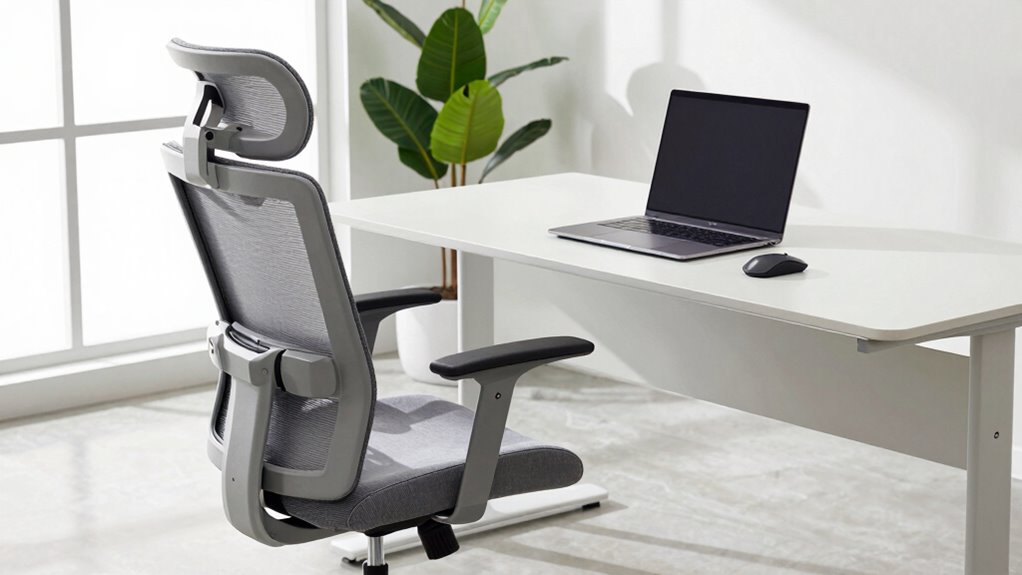

In today’s tech-driven world, ergonomic design is essential because it directly affects your health and productivity. Poor posture from extended device use can lead to chronic pain, fatigue, and decreased focus. By investing in supportive furniture and optimizing your workspace, you can prevent these issues and work more comfortably for longer periods. If you want to learn how proper ergonomics can improve your daily work experience and well-being, keep exploring these effective strategies.

Get travel and outdoor gear delivered free with Prime
- Fast, free delivery on millions of items
- Prime Video, Amazon Music and more included
- Member-only deals all year
Key Takeaways
- Increasing device use leads to higher risks of neck, back, and wrist injuries without proper ergonomic support.
- Long-term health issues from poor posture can result in reduced productivity and higher healthcare costs.
- Modern workplaces require adjustable, ergonomic furniture to accommodate diverse user needs and prevent strain.
- Employee well-being and comfort directly impact focus, efficiency, and overall organizational performance.
- Incorporating ergonomic design is a proactive health measure necessary for sustaining productivity in tech environments.

Have you ever considered how much time you spend hunched over your devices? Whether you’re working at a desk, scrolling through your phone, or gaming late into your night, your posture and comfort matter more than you might realize. In today’s tech-driven world, workplace ergonomics isn’t just a buzzword—it’s essential for maintaining your health and productivity. When your workspace is designed with ergonomics in mind, it promotes better posture, reduces strain, and enhances user comfort. This isn’t just about luxury; it’s about preventing long-term health issues and ensuring you can work efficiently without discomfort.
Incorporating ergonomic principles into your workspace means paying attention to the details that support your body during extended periods of device use. For example, your monitor should be positioned at eye level to prevent neck strain, and your chair should support the natural curve of your spine. Your keyboard and mouse need to be within easy reach, allowing your arms to stay relaxed and your wrists in a neutral position. When these elements are optimized, you’re less likely to develop repetitive strain injuries, eyestrain, or back pain. It’s about creating a seamless environment where user comfort is prioritized, so you can focus on your tasks without distraction or discomfort.
The importance of ergonomic design extends beyond mere comfort. It directly impacts your productivity and overall well-being. When you’re comfortable, you’re less prone to fatigue and distraction, which means you can work longer and more effectively. Conversely, neglecting workplace ergonomics can lead to chronic pain, decreased focus, and even absenteeism due to health issues. As technology advances, so should your workspace. Adjustable desks, ergonomic accessories, and well-designed furniture are no longer options—they’re necessities. They’re investments in your health and performance, ensuring you can keep up with demanding schedules without sacrificing your well-being. Incorporating ergonomic furniture can make a significant difference in creating a healthier workspace.
Incorporating ergonomic design isn’t complicated, but it does require awareness. Start by assessing your current setup and making small adjustments. Use ergonomic tools and furniture that support proper posture and user comfort. Remember, ergonomic design is a proactive approach to health that pays off over time. It’s about creating an environment where technology works for you, not against you. Additionally, considering the biodiversity in workspace design by integrating natural elements can further promote well-being and sustainability. Creating a balanced environment that incorporates natural elements can also improve mental clarity and reduce stress, enhancing overall productivity and health.
ergonomic office chair with lumbar support
As an affiliate, we earn on qualifying purchases.
As an affiliate, we earn on qualifying purchases.
Frequently Asked Questions
How Does Ergonomic Design Impact Employee Productivity?
Ergonomic design boosts your employee productivity by enhancing workplace comfort, reducing fatigue and discomfort. When your workspace is comfortable, you can maintain better cognitive focus, allowing you to work more efficiently and accurately. Proper ergonomic setups minimize distractions caused by discomfort, enabling you to stay engaged longer. Ultimately, investing in ergonomic design helps you perform at your best, leading to higher output and improved overall performance in your role.
What Are Common Ergonomic Mistakes in Tech Product Design?
You often overlook ergonomic mistakes in tech design, like poorly placed buttons or rigid screens, which hurt user comfort. These errors seem minor but can cause strain and frustration over time. By disregarding ergonomic principles, you risk alienating users and increasing support costs. Prioritizing ergonomic design ensures your tech is intuitive, comfortable, and accessible, turning everyday frustrations into seamless interactions. Don’t ignore these mistakes; they can make or break your product’s success.
How Can Small Companies Implement Ergonomic Principles Cost-Effectively?
You can implement ergonomic principles cost-effectively by focusing on workspace customization, like adjustable chairs and monitors, which suit individual needs. Prioritize affordable solutions such as ergonomic accessories, proper lighting, and promoting regular breaks. Collaborate with suppliers for discounts, and leverage free online resources to educate your team. Small changes make a big difference, ensuring your workspace remains healthy without breaking the bank.
What Are the Long-Term Health Benefits of Ergonomic Tech?
You’ll experience long-term health benefits like improved musculoskeletal health and reduced risk of chronic pain by using ergonomic tech. Properly designed devices support your posture, decrease muscle strain, and prevent repetitive stress injuries. Over time, this helps you avoid discomfort and health issues that can impact your productivity and quality of life. Investing in ergonomic technology now guarantees you maintain better overall health and minimize costly medical treatments later.
How Do Ergonomic Considerations Influence User Satisfaction and Retention?
Ergonomic considerations dramatically boost your user satisfaction and retention—it’s like turning comfort into a magnetic force. When your tech feels tailor-made for your personal comfort and boasts sleek aesthetic appeal, you’re more likely to stay engaged and loyal. By prioritizing ergonomic design, you create an experience that feels natural and inviting, making users not just satisfied but enthusiastic to return, transforming them into lifelong fans of your product.
Conclusion
Think of ergonomic design as the sturdy foundation beneath a towering skyscraper. Without it, everything above risks collapsing under pressure. In tech, neglecting ergonomics is like building on shifting sands—you’re setting yourself up for instability and failure. Embrace ergonomic principles, and you’re planting a strong, unshakeable root system that supports innovation and well-being. When you prioritize comfort and safety, you’re not just designing better products—you’re safeguarding the future of your work and your users.
Fall Picks
fall essentials
As an affiliate, we earn on qualifying purchases.