
Climate change profoundly impacts tourism through rising sea levels, extreme weather, and shrinking natural attractions like coral reefs and snow-covered destinations. These changes threaten coastal resorts, ski resorts, and eco-tourism sites, forcing industry shifts and infrastructure upgrades. To adapt, destinations are diversifying offerings, improving resilience, and embracing sustainable practices. If you want to discover more about how the tourism industry is managing these challenges and shaping a sustainable future, keep exploring these essential strategies.

Get travel and outdoor gear delivered free with Prime
- Fast, free delivery on millions of items
- Prime Video, Amazon Music and more included
- Member-only deals all year
Key Takeaways
- Implement climate-resilient infrastructure and diversify tourism offerings to mitigate weather-related disruptions and attract visitors year-round.
- Promote sustainable practices like eco-tourism, renewable energy, and low-impact transportation to reduce environmental footprints.
- Adjust seasonal schedules and develop inland or alternative destinations to compensate for climate-induced declines in traditional attractions.
- Invest in ecosystem protection and restoration to preserve biodiversity and natural landscapes vital for sustainable tourism.
- Develop policies and public awareness campaigns to encourage responsible travel and long-term climate adaptation strategies.
The Rising Threat of Sea Level Rise and Coastal Flooding
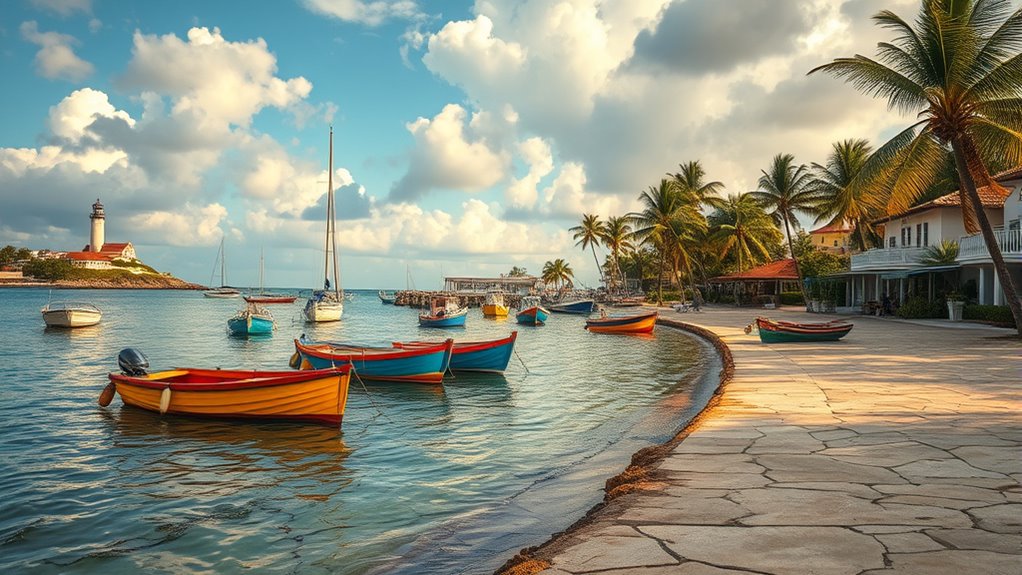
Rising sea levels pose a significant threat to coastal tourism destinations, increasing the risk of flooding and erosion. You might notice popular beaches and waterfronts shrinking or becoming unrecognizable over time. Infrastructure like hotels, resorts, and transportation hubs face heightened danger, forcing you to rethink travel plans or face closures. Coastal ecosystems that attract visitors, such as mangroves and beaches, become compromised, reducing appeal. Erosion can undermine coastlines, leading to the loss of scenic spots and cultural landmarks. As water levels rise, you may also encounter more frequent flooding during storms or high tides, disrupting your vacation experience. To adapt, destinations are investing in protective barriers and sustainable land management, but the threat remains a pressing concern for future tourism stability. Implementing climate adaptation strategies can help mitigate some of these impacts and preserve the natural and cultural resources that draw visitors.
Extreme Weather Events and Their Impact on Travel Safety
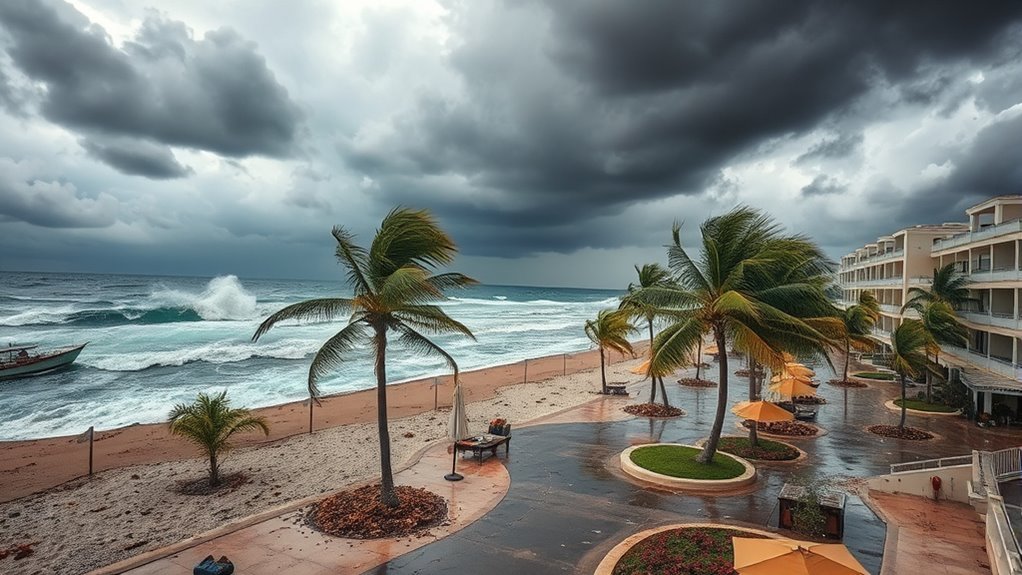
Extreme weather events like storms, heatwaves, and wildfires are becoming more frequent and intense, directly affecting your travel safety. Storms can cancel flights and damage infrastructure, while heatwaves pose health risks for visitors. Wildfires not only threaten nearby areas but also diminish the appeal of natural attractions, making travel less safe and less enjoyable. Additionally, these unpredictable weather patterns can disrupt travel plans and lead to safety hazards for tourists. Weather-related disruptions can significantly impact travel experiences and safety considerations.
Storms Disrupt Travel Plans
Have you ever had your travel plans disrupted by sudden storms or wildfires? Extreme weather events like hurricanes, heavy rain, and fierce storms can strike unexpectedly, forcing you to change or cancel trips. These events threaten your safety and can cause delays, cancellations, or even dangerous conditions at your destination. Airports may close, roads become impassable, and accommodations might evacuate guests. Such disruptions not only ruin your plans but also increase travel costs and stress. Climate change is fueling more intense and unpredictable storms, making travel uncertainties worse. To stay safe, it’s essential to monitor weather alerts, be flexible with your schedules, and choose destinations with strong emergency response plans. Preparing for these disruptions helps you adapt and enjoy your trip despite the challenges.
Heatwaves Endanger Visitors
As heatwaves become more frequent and intense due to climate change, travelers face heightened health risks and safety concerns. Extreme temperatures can lead to heat exhaustion, heatstroke, and dehydration, especially if you’re outdoors for long periods. Vulnerable groups, like the elderly or those with pre-existing health conditions, are at greater risk. High daytime temperatures can also affect transportation, causing delays or cancellations. Overheating can impair decision-making, increasing the chance of accidents. To stay safe, you should stay hydrated, wear lightweight clothing, and avoid peak heat hours. Recognize warning signs of heat-related illnesses and seek shade or cooling options immediately. Proper divorce celebration planning and awareness can help create positive experiences during stressful times. As heatwaves grow more severe, safety precautions become crucial for protecting your health while enjoying travel experiences.
Wildfires Reduce Attractiveness
Wildfires have become a significant threat to tourism destinations, especially in regions prone to dry conditions and high temperatures. When wildfires occur, they can quickly spread, forcing evacuations and closing popular attractions. This reduces the overall appeal of affected areas and deters travelers seeking safe, scenic experiences. Smoke from fires degrades air quality, making outdoor activities unsafe and uncomfortable. The destruction of natural landscapes, parks, and wildlife habitats diminishes the unique attractions that draw visitors. Furthermore, the threat of future fires creates uncertainty, discouraging long-term travel plans. As wildfires become more frequent and intense due to climate change, destinations must invest in fire prevention, emergency response, and public awareness to protect their reputation and maintain tourism activity. Implementing fire-resistant landscaping and other mitigation strategies can help reduce damage and maintain the safety of tourism sites.
Changes in Natural Attractions: Coral Bleaching and Snow Loss
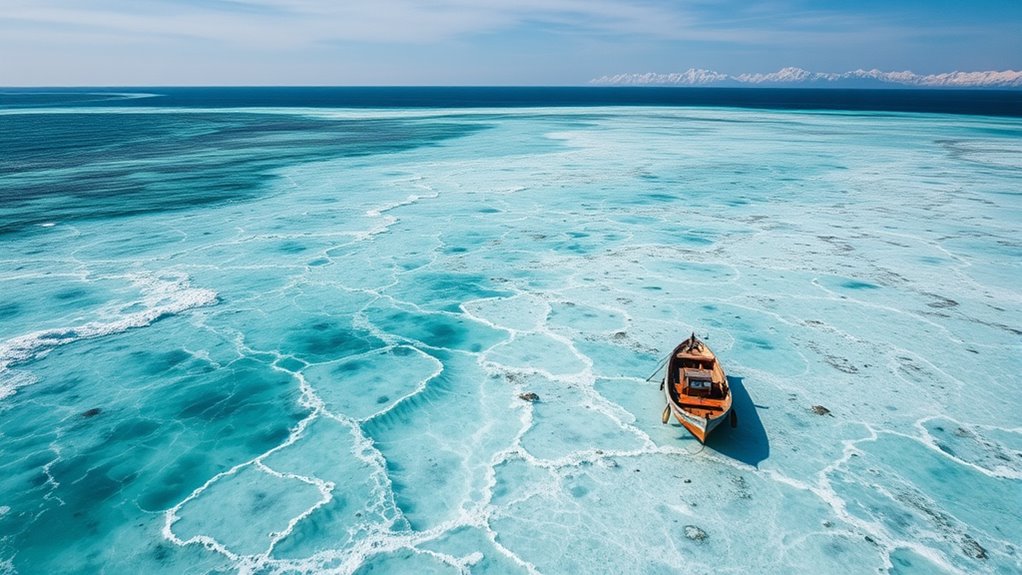
Climate change is causing significant alterations to natural attractions that draw tourists worldwide. You might notice coral reefs losing their vibrant colors due to bleaching, which happens when rising sea temperatures stress the corals. This decline reduces snorkeling and diving experiences, deterring visitors. Similarly, snow loss affects winter sports destinations, as rising temperatures shorten ski seasons and diminish snow cover. You may find popular ski resorts struggling to attract tourists or needing to invest heavily in artificial snow. These changes threaten the very landscapes and ecosystems that once brought millions of travelers. As natural attractions diminish, destinations face economic challenges and must adapt by promoting alternative activities or investing in sustainable infrastructure. The loss of these iconic sights underscores the urgent need to address climate change’s impact on tourism. An understanding of pool terminology and related environments can help in developing sustainable solutions for affected areas.
Biodiversity Decline and Its Effect on Nature-Based Tourism
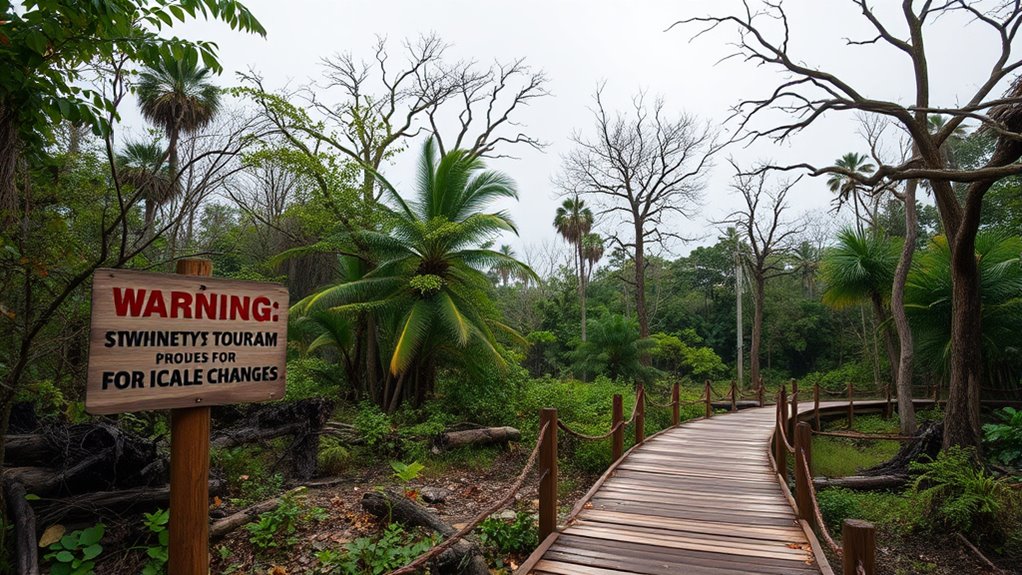
Biodiversity loss due to climate change directly threatens the appeal of nature-based tourism destinations. As ecosystems degrade, iconic landscapes and wildlife become less vibrant and accessible. You might notice fewer sightings of species that attract visitors, such as birds, mammals, or marine life. Coral reefs bleach and die, reducing snorkeling and diving experiences that draw many travelers. Forests may suffer from pests and wildfires, diminishing hiking and eco-tourism opportunities. When biodiversity declines, the very essence of these destinations fades, making them less attractive and less sustainable. You could find that new travel spots emerge, but many existing attractions struggle to maintain their unique appeal. Protecting biodiversity becomes essential not just for the environment but also for preserving the tourism experiences you seek. Incorporating Eye Patch benefits like hydration and nourishment can serve as a metaphor for restoring vitality to these fragile ecosystems, emphasizing the importance of proactive conservation efforts.
Economic Challenges and Opportunities for the Tourism Sector
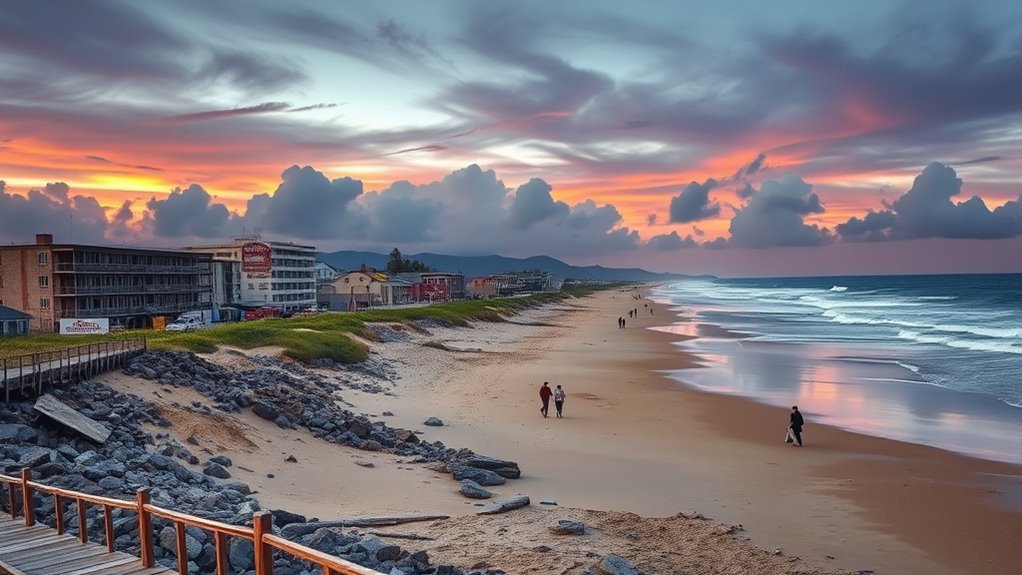
You’ll notice rising operational costs as climate impacts force you to invest in resilient infrastructure and adapt your services. Changing tourist flows mean you may see shifts in demand, presenting both challenges and new markets to target. By investing in resilience, you can turn these economic pressures into opportunities for sustainable growth and long-term stability. Incorporating data-driven marketing strategies can help you better understand and respond to these evolving trends.
Rising Operational Costs
Rising operational costs pose significant challenges for the tourism industry as it grapples with the financial strain of adapting to climate-related impacts. You face increased expenses from upgrading infrastructure, implementing eco-friendly practices, and managing damage from extreme weather events. These costs can cut into profit margins and delay new projects. To help visualize this, consider the following:
| Cost Drivers | Impact |
|---|---|
| Infrastructure Upgrades | Flood defenses, resilient buildings |
| Environmental Management | Waste reduction, energy efficiency |
| Damage Repairs | Storm, wildfire, flood recovery |
| Staff Training | Climate resilience and safety measures |
These expenses require strategic planning, but they also open opportunities for innovation, sustainability, and long-term resilience in your operations. Additionally, understanding the importance of climate resilience can guide effective investment in adaptive measures.
Shifts in Tourist Flows
As climate change alters the appeal and safety of traditional destinations, tourist flows are shifting considerably, presenting both challenges and opportunities for the sector. You’ll notice travelers increasingly avoiding areas affected by rising sea levels, extreme weather, or environmental degradation, leading to declines in some popular spots. Conversely, new destinations gain attention as people seek safer, more sustainable alternatives, creating opportunities for growth in less-affected regions. This redistribution can strain local economies unprepared for sudden influxes or declines. You’ll also see shifts in travel seasons, with tourists adjusting timing to avoid climate extremes. While these changes challenge established tourism models, they also encourage innovation, diversification, and the development of resilient destinations better suited to a changing climate. Additionally, zoning laws can influence how communities adapt to these shifting patterns and develop sustainable tourism infrastructure.
Investment in Resilience
Investing in resilience offers a critical pathway for the tourism sector to withstand the economic impacts of climate change. By allocating resources toward climate-resilient infrastructure, you can protect key assets like hotels, transportation networks, and natural attractions from rising sea levels, storms, and wildfires. These investments reduce long-term costs and help maintain destination appeal. Additionally, implementing sustainable practices and innovative technologies can lower operational expenses while improving environmental performance. Such resilience efforts create new economic opportunities, like green jobs and eco-friendly tourism products. While initial costs may seem high, strengthening infrastructure and adopting adaptive strategies ensure your destination stays competitive and attractive amid climate challenges. Moreover, incorporating cooking techniques into local cuisine can enhance sustainable tourism experiences by promoting local food resources. Ultimately, resilience investments safeguard your community’s economy and support sustainable growth in uncertain times.
Strategies for Adapting: Spatial, Temporal, and Activity Adjustments
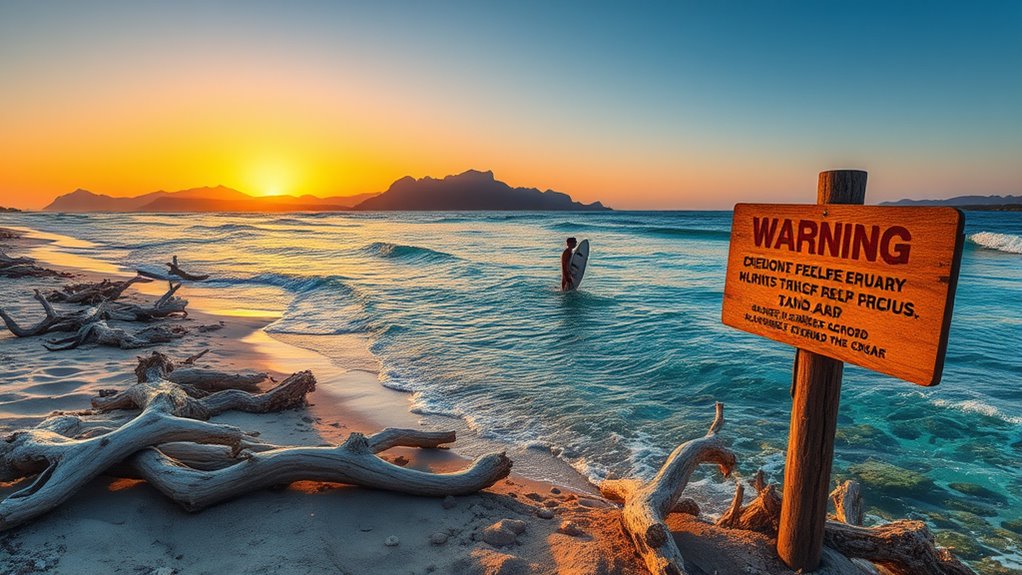
To cope with the impacts of climate change, tourism destinations are increasingly turning to spatial, temporal, and activity adjustments. These strategies help manage changing environmental conditions and preserve visitor experiences.
Tourism destinations adopt spatial, temporal, and activity adjustments to adapt to climate change impacts and protect visitor experiences.
- Spatial shifts: Moving tourism activities inland or to less vulnerable areas reduces exposure to rising sea levels and erosion.
- Temporal shifts: Adjusting travel seasons allows visitors to avoid extreme weather events, such as heatwaves or storms.
- Activity modifications: Changing or limiting activities, like skiing or diving, responds to environmental degradation, ensuring safety and sustainability.
- Destination diversification: Promoting lesser-known spots spreads visitor pressure and mitigates over-reliance on vulnerable sites.
These adjustments enable destinations to adapt proactively, maintaining appeal and resilience amid climate challenges.
The Role of Sustainable Practices and Technological Innovations

Sustainable practices and technological innovations are key to enhancing the resilience of the tourism industry in the face of climate change. By adopting eco-friendly accommodations, renewable energy sources, and low-impact transportation, you help reduce environmental footprints. Implementing climate-resilient infrastructure assures destinations can withstand extreme weather events and rising sea levels. Digital platforms facilitate responsible travel choices, promote awareness, and encourage sustainable behaviors among travelers. You can also involve local communities through technology-driven initiatives that support conservation and cultural preservation. Innovative travel services, such as carbon-offset programs and eco-tours, appeal to environmentally conscious visitors. Embracing these practices and innovations allows destinations to adapt more effectively, protect natural assets, and maintain appeal in a changing climate, ensuring long-term sustainability for the tourism sector.
Projected Trends and the Urgency for Climate Mitigation in Tourism

As climate change accelerates, the tourism industry faces increasingly urgent challenges that demand immediate mitigation efforts. Without action, projected trends show rising sea levels, more frequent storms, and degraded natural attractions will severely impact destinations. You must recognize that:
- Emissions from tourism could double by 2050 if unchecked, worsening climate impacts.
- Vulnerable destinations, like small islands, risk losing their appeal or disappearing altogether.
- Last-chance tourism may spike, intensifying environmental pressures on fragile sites.
- Delayed mitigation efforts will make adaptation costlier and less effective.
To secure a sustainable future, you need to prioritize reducing emissions, investing in resilient infrastructure, and promoting eco-friendly practices now. Urgency is essential—delaying action only deepens the crisis.
Promoting Resilience Through Global Collaboration and Community Engagement
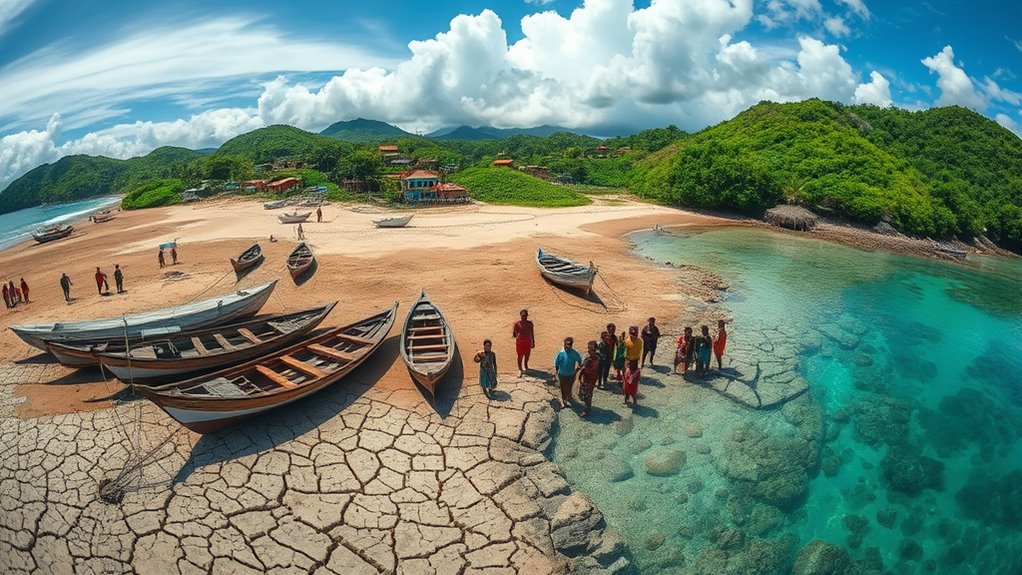
Global collaboration and community engagement are essential for building resilience in the tourism sector, especially as climate impacts become more severe. By working together across borders, you can share knowledge, resources, and best practices to develop innovative solutions that address climate challenges. Engaging local communities ensures that tourism development aligns with their needs and preserves cultural and natural assets. When you involve residents in planning and decision-making, you foster stewardship and create support for sustainable initiatives. International organizations, governments, and industry stakeholders must coordinate efforts to improve infrastructure, promote eco-friendly practices, and fund climate adaptation projects. Your active participation in community-led conservation and resilience programs amplifies local voices, making tourism more sustainable and better equipped to withstand future climate shocks.
Frequently Asked Questions
How Can Tourism Destinations Effectively Fund Climate Adaptation Initiatives?
You can effectively fund climate adaptation initiatives by seeking diverse funding sources like government grants, international aid, and public-private partnerships. Encourage local businesses and communities to contribute through eco-friendly taxes or levies. Additionally, promote sustainable tourism practices that generate funds for resilience projects. Leveraging crowdfunding and engaging tourists in conservation efforts can also boost financial support, ensuring your destination stays resilient amid changing climate conditions.
What Role Do Tourists Play in Supporting Sustainable Tourism Practices?
You play a vital role in supporting sustainable tourism practices by making eco-conscious choices. Opt for eco-friendly accommodations, transportation, and activities that reduce environmental impact. Spread awareness among fellow travelers about responsible tourism, and prioritize destinations committed to sustainability. Your demand for greener options encourages providers to adopt eco-friendly practices. By being mindful and intentional, you help protect natural assets, support local communities, and guarantee tourism remains viable for future generations.
How Are Insurance Companies Adjusting Policies for Climate-Related Tourism Risks?
Think of insurance companies as tightrope walkers balancing on a high wire—they’re adjusting policies to stay steady amid climate-related tourism risks. They’re now offering coverage that considers rising sea levels, extreme weather, and environmental damage. You might see higher premiums or specialized policies for coastal resorts and adventure activities. These changes aim to protect both providers and travelers, ensuring the tourism industry can continue to thrive despite the turbulent climate landscape.
What Are Innovative Ways to Promote Climate Education Among Travelers?
You can promote climate education among travelers by integrating eco-friendly messaging into marketing campaigns and providing informative materials at travel destinations. Use digital platforms and social media to share impactful stories and practical tips for sustainable travel. Organize workshops or guided tours focused on local environmental issues, encouraging awareness and action. Collaborate with local communities and conservation organizations to create authentic, educational experiences that inspire travelers to make eco-conscious choices.
How Can Small Communities Leverage Tourism to Build Climate Resilience?
You can leverage tourism by developing eco-tourism initiatives that involve local communities, like Costa Rica’s community-led conservation programs. Visitors participate in sustainable practices, boosting eco-awareness and economic stability. You should promote local culture and natural assets, creating authentic experiences that attract environmentally conscious travelers. Collaborate with environmental organizations to enhance resilience projects, which not only protect the community but also position your destination as a leader in sustainable tourism.
Conclusion
As you navigate the future of tourism, remember that embracing sustainable practices and innovative solutions isn’t just smart—it’s essential. Studies show that regions investing in climate resilience often see quicker recovery and long-term growth. By actively adapting your travel choices and supporting responsible tourism, you help combat climate change’s impacts. Together, through global collaboration and community efforts, you can make a real difference—proving that collective action truly shapes a resilient, sustainable world for travelers everywhere.
Halloween Picks
halloween
As an affiliate, we earn on qualifying purchases.