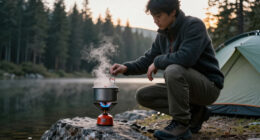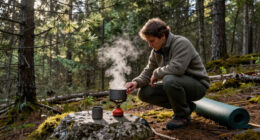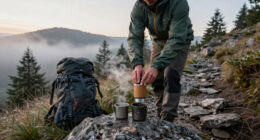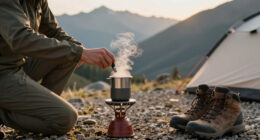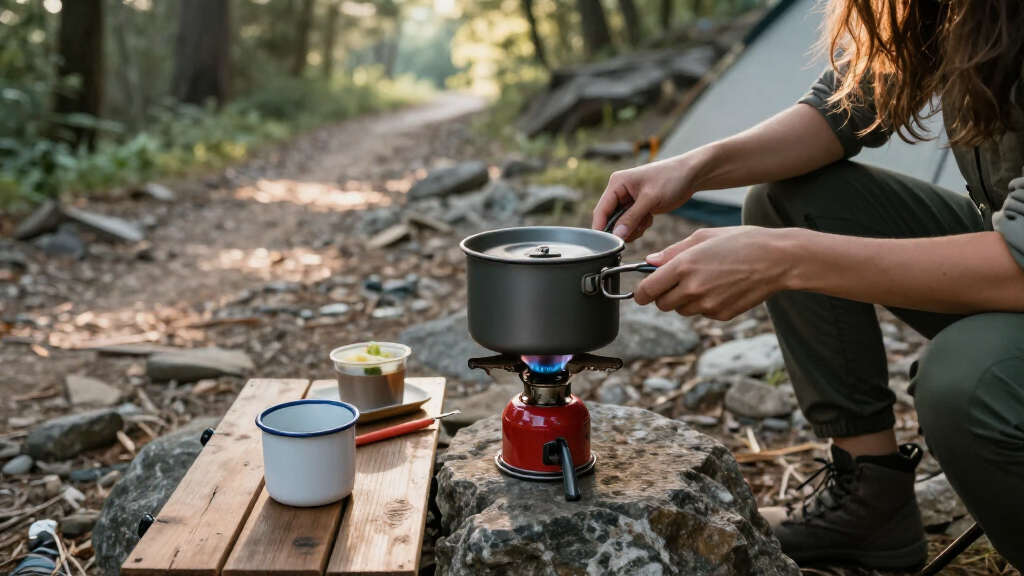
Use this guide to set up a portable camping stove, light it, cook a simple meal, and pack it away safely. It is written for beginners using a stove outdoors at a campsite or picnic area. Allow 20-40 minutes for setup and cooking, plus time for the stove to cool before packing.

Get travel and outdoor gear delivered free — and shop member deals
- Fast, free delivery on millions of items
- Access to Prime Big Deal Days deals on October 6–7
- Prime Video, Amazon Music and more included

Coleman Triton 2-Burner Propane Camp Stove
- ✔ Burners: 2 independently adjustable
- ✔ Total cooking power: 22,000 BTUs
- ✔ Pan capacity: 12-inch and 10-inch pans side by side

Gas One GS-3400P Portable Dual Fuel Camping Stove with Carrying Case
- ✔ Model: GS-3400P
- ✔ Fuel types: Butane or propane
- ✔ Butane capacity: 8 oz cartridge

Gas One GS-1000G Portable Butane Camping Stove with Carrying Case
- ✔ Model: GS-1000G
- ✔ Heat output: 7,650 BTU
- ✔ Fuel type: 8 oz butane canister, sold separately
Difficulty: Beginner | Time: 20-40 minutes for setup and a simple meal
What You’ll Need
Tools & Materials:
- Portable camping stove with its manufacturer instructions
- Fuel specified for that stove, such as a compatible canister or liquid fuel
- Stable, level, noncombustible surface
- Pot or pan that fits the stove
- Long lighter or matches if the stove does not have an igniter
- Water and food for a simple meal
- Heat-resistant gloves or pot holders
- A fire extinguisher or shovel and water, as appropriate for the site
Knowledge:
- Basic ability to handle hot cookware and food
- Ability to identify the stove’s fuel connection and control valve using its instructions
Check the stove and fuel container labels before leaving. Use only the fuel type and container specified by the manufacturer. Read the stove instructions, check local fire restrictions, and learn the campsite’s rules. Never operate a fuel-burning stove inside a tent, vehicle, camper, or other enclosed space; carbon monoxide can build up without warning.
Coleman Triton 2-Burner Propane Camp Stove
For a camp kitchen where one burner needs to boil while another simmers, the Coleman Triton is the most capable option in this lineup. Its two independently adjustable burners provide 22,000 BTUs of total cooking power, and the top accommodates a 12-inch pan beside a 10-inch pan. That capacity makes it more suited to group meals and multi-step cooking than either Gas One stove, both of which are single-burner models.Wind guards help shield the flames in breezy conditions, and the removable chrome-plated grate gives us a simpler surface to clean after cooking. The tradeoff is a larger cooking setup and a single fuel type: this stove runs on propane, whereas the GS-3400P can also use butane. A 16 oz propane cylinder lasts up to one hour on high, according to the supplied specifications, and is sold separately. That stated burn time makes fuel planning important for longer or high-heat cooking. We should choose the Triton for its two-pan flexibility, and skip it if a compact single-burner stove better suits our packing needs.
Pros:
- Two independently adjustable burners support simultaneous cooking and simmering.
- Fits a 12-inch and 10-inch pan side by side.
- Wind guards help shield the flames from breezes.
- Removable chrome-plated grate simplifies cleanup.
Cons:
- Uses propane only; the cylinder is sold separately.
- A 16 oz cylinder provides up to one hour on high, so extended cooking calls for fuel planning.
- Its two-burner surface takes more room than either single-burner Gas One stove.
Best for: Campers cooking for a group or preparing two dishes at once with separate heat settings.
Not ideal for: Solo campers prioritizing the smallest cooking setup, or anyone who wants the option to use butane.
Bottom line: We rank the Triton first for its unmatched two-pan capacity, provided we can carry its larger setup and plan for propane consumption.
“We rank the Triton first for its unmatched two-pan capacity, provided we can carry its larger setup and plan for propane consumption.”
Gas One GS-3400P Portable Dual Fuel Camping Stove with Carrying Case
When our fuel supply might vary from trip to trip, the Gas One GS-3400P offers an advantage neither of the other picks has: it runs on 8 oz butane cartridges or 16.4 oz propane cylinders. Its included propane converter regulator makes that second option available without adding a separate converter to our packing list. That flexibility gives it a broader fit than the butane-only GS-1000G, and a more compact single-burner alternative to the two-burner Coleman Triton.Automatic piezo-electric ignition and an adjustable heat dial keep starting and heat adjustment simple. The included carrying case also helps contain the stove during transport. Its safety details need a little precision: the pressure-sensor cartridge ejection and gas flow cut-off are described for butane mode, so we should not assume the same functions apply when using propane. Like the other stoves, fuel is not included. The GS-3400P makes sense for campers who value two fuel choices in a single-burner stove; those committed to butane alone may prefer the simpler GS-1000G, while anyone needing two cooking zones should move up to the Triton.
Pros:
- Accepts either 8 oz butane cartridges or 16.4 oz propane cylinders.
- Includes the propane converter regulator and a carrying case.
- Automatic ignition and an adjustable heat dial simplify operation.
- Butane mode includes pressure-sensor ejection and a gas flow cut-off.
Cons:
- Fuel is not included.
- The specified cartridge ejection and gas flow cut-off features apply in butane mode.
- Single burner cannot cook two dishes at different temperatures at once.
Best for: Campers who want one portable stove that can run on either butane cartridges or propane cylinders.
Not ideal for: Anyone who needs two burners, or who expects the listed butane-mode safety mechanisms to apply in propane mode.
Bottom line: We recommend the GS-3400P when adapting to available butane or propane matters more than having a second burner.
“We recommend the GS-3400P when adapting to available butane or propane matters more than having a second burner.”
Gas One GS-1000G Portable Butane Camping Stove with Carrying Case
The Gas One GS-1000G suits a camper who wants a portable single-burner stove and expects to use butane. It runs on a separately purchased 8 oz butane canister, produces 7,650 BTU and has piezo automatic ignition with heat control. Compared with the GS-3400P, it has no propane option; that keeps the fuel decision simple but gives us less flexibility if butane is unavailable. Compared with the Coleman Triton, it gives up the second burner and the ability to fit two pans at once.A carrying case is included, and the product details list CSA safety features including automatic canister ejection if excessive force is detected. The stove is specified for outdoor use only, an important constraint when planning a cooking setup. Its 7,650 BTU output is described as suited to fast boiling and outdoor cooking, but we do not have a supplied burn-time figure for comparing fuel endurance with the Triton. This is our focused pick for trips where one pot and a butane canister cover the menu. We should choose the dual-fuel GS-3400P if fuel adaptability matters, or the Coleman if cooking several dishes at once is the priority.
Pros:
- Automatic piezo ignition avoids needing a lighter or matches to start the stove.
- 7,650 BTU output is described as suitable for fast boiling and outdoor cooking.
- CSA-listed safety features include automatic canister ejection if excessive force is detected.
- Carrying case is included.
Cons:
- Uses 8 oz butane canisters only; fuel is sold separately.
- Single burner limits simultaneous cooking compared with the Coleman Triton.
- Specified for outdoor use only.
Best for: Campers who want a simple, portable butane stove for outdoor meals centered on one pot.
Not ideal for: Anyone who needs propane compatibility, two burners, or a stove intended for indoor use.
Bottom line: We pick the GS-1000G for a straightforward one-pot butane setup, as long as its fuel limit and outdoor-only use fit our plans.
“We pick the GS-1000G for a straightforward one-pot butane setup, as long as its fuel limit and outdoor-only use fit our plans.”
As an Amazon Associate we earn from qualifying purchases.
Before You Start
Choose an outdoor cooking spot away from dry grass, overhanging branches, tents, vehicles, and foot traffic. Leave room around the stove for ventilation and keep children and pets back. Do not use a stove during a fire ban or in strong, gusty wind. Wind can tip cookware, spread flame, or cause unsafe heating. If the area is too windy to control the flame, wait or use an approved sheltered cooking area with open airflow.
Inspect the stove, fuel container, hose, seals, and cookware. Do not use equipment that is cracked, corroded, leaking, or damaged. Keep fuel upright and away from heat. Follow any local rules for storing or disposing of fuel canisters.
Step-by-Step Instructions
Step 1: Choose and prepare a safe cooking spot
Set the stove outdoors on a firm, flat, noncombustible surface. Keep it clear of flammable material and position it where people will not bump it. If the ground is uneven or soft, use a stable stove platform made for your model; do not improvise with loose stones or unstable objects.
Tip:Do not use a stove inside a tent, even with doors or windows open. Never leave a lit stove unattended.
Check: The stove sits level without rocking, and there is clear space around it for airflow and safe cooking.
Step 2: Connect the correct fuel
Turn the stove control off before handling fuel. Attach the compatible fuel container according to the manufacturer’s instructions, keeping the container in the position specified for your model. Tighten connections as directed; do not force a fitting or use a tool unless the instructions call for one.
Tip:Never substitute a different fuel canister or adapter because it appears to fit. If you smell fuel or hear hissing, do not light the stove. Move away from ignition sources and follow the stove instructions for shutting off and checking for leaks.
Check: The connection is secure, the control is off, and there is no fuel odor or hissing.
Step 3: Set the cookware in place
Put an empty, appropriately sized pot or pan on the stove supports before lighting. Center it so its weight is balanced. Check that the cookware does not overhang the burner in a way that could heat the fuel container or make the stove unstable.
Tip:Use cookware within the size and weight limits listed for the stove. Large pans can trap heat around the burner and fuel supply.
Check: The cookware is centered, stable, and does not touch the fuel container or interfere with the controls.
Step 4: Light the stove
Follow the lighting sequence in the stove instructions. Open the fuel valve only as directed, then use the built-in igniter or a long lighter. Keep your face and hands away from the burner. If it does not light promptly, turn the fuel off, wait the period stated in the instructions for unburned fuel to disperse, then try again as directed.
Tip:Do not keep releasing fuel while attempting to light it. If you smell fuel, hear a leak, or see an unexpected flare, turn the control off if safe and step away.
Check: The burner lights without a flare-up and produces a steady flame that stays beneath the cookware.
Step 5: Adjust the flame and cook
Turn the control gradually to set a low or medium flame, then cook while watching the stove. Keep pot handles turned inward and use heat-resistant gloves or pot holders to move cookware. Stir food with a utensil that will not melt or catch fire. Keep fuel, food packaging, and other loose items away from the burner.
Tip:Wind can make a flame uneven or push heat toward the fuel container. Stop cooking if the stove becomes unstable, the flame behaves unpredictably, or the fuel container becomes unusually hot.
Check: Food cooks at a controllable rate, the flame remains steady, and the stove and cookware stay in place.
Step 6: Turn off the stove
When cooking is finished, turn the stove control fully off using the method specified by the manufacturer. If your model requires closing the valve at the fuel container, follow that sequence. Do not disconnect fuel while the stove is lit or hot.
Tip:Some stove designs require a particular shutdown order. Use the model instructions rather than guessing.
Check: The flame is fully out, and no fuel is escaping or making a hissing sound.
Step 7: Cool, clean, and pack the stove
Leave the stove and cookware undisturbed until they are fully cool. Follow the instructions for disconnecting and storing the fuel container; keep it away from heat and direct flame. Wipe food spills from the cool stove, check for damage, and pack the stove in its case or a protected place.
Tip:Do not pack a warm stove or leave a fuel container in a hot vehicle. Dispose of empty or damaged containers according to local rules and the label.
Check: The stove is cool, clean, shut off, and packed securely, with fuel stored as its manufacturer directs.
Common Mistakes to Avoid
- Using a stove in a tent, vehicle, or enclosed shelter. — Operate it outdoors only. A flame-free appearance does not remove the risk of carbon monoxide from fuel combustion.
- Using a fuel type or container that is not specified for the stove. — Match the fuel label and connection to the stove manual before attaching anything. Do not force fittings or add unapproved adapters.
- Putting an oversized or off-center pan on the supports. — Check the stove’s cookware limits and center the pan before lighting. Stop if cookware makes the stove unstable or directs heat toward the fuel.
- Packing the stove before it has cooled. — Wait until the burner, supports, and cookware are cool to the touch, then follow the model’s shutdown and fuel storage instructions.
Troubleshooting
Problem: The burner will not light.
Solution: Turn the control off and check that the fuel container is compatible, connected correctly, and not empty. Follow the manual’s wait time before trying again. If the igniter still fails, use the manual’s approved backup lighting method; stop if you smell fuel.
Problem: The flame is weak or keeps going out.
Solution: Turn the stove off and let it cool as directed. Check the fuel supply, connection, and wind exposure. Do not use a damaged stove or attempt repairs beyond the manufacturer instructions.
Problem: You smell fuel or hear hissing.
Solution: Do not light the stove or operate electrical switches nearby. If safe, turn off the control, move away from the stove, and follow the manufacturer’s leak instructions. Replace damaged parts or ask the manufacturer for service before using it again.
Problem: The stove or cookware wobbles.
Solution: Turn the stove off and allow it to cool before repositioning it on a firm, level surface. Center the cookware and use only a platform approved for the stove.
What Success Looks Like
The task is complete when the stove has operated outdoors on a stable surface, cooked the meal with a controlled flame, and been shut off without a fuel leak. After cooling, the stove should be clean and packed, and the fuel should be stored according to its label and the manufacturer’s instructions.
Next Steps
Before the next trip, inspect the stove, seals, hose, and igniter; replace worn parts only as the manufacturer directs. Check fuel levels and local fire restrictions before departure. Practice the lighting and shutdown sequence at home outdoors so you can follow it confidently at camp.
Frequently Asked Questions
Can I use a portable camping stove inside a tent if the doors are open?
No. Use it outdoors only. Fuel-burning stoves can produce carbon monoxide, which can build up in an enclosed space even when openings are present.
Can I use any fuel canister that fits?
No. Use only the fuel type and container specified for your stove. A fitting that seems to connect can still be unsafe or incompatible.
What should I do if the stove will not light on the first try?
Turn the control off and wait for unburned fuel to disperse for the time stated in the manual. Check the connection and fuel supply, then follow the approved relighting sequence. Stop if you smell fuel.
When is it safe to pack the stove?
Pack it only after the burner and supports have cooled fully. Disconnect or store fuel according to the stove instructions and the container label.
Fall Picks
fall essentials
As an affiliate, we earn on qualifying purchases.