
This checklist is for travelers who want to bring photography gear along without turning every outing into a gear haul. It covers the camera, lens, support, and carrying setup, plus the memory cards and batteries that keep a trip moving. Pack for the photos you expect to take and the way you plan to travel.

Get travel and outdoor gear delivered free with Prime
- Fast, free delivery on millions of items
- Prime Video, Amazon Music and more included
- Member-only deals all year
The sections follow the path from capturing an image to carrying and powering your kit. Each product pick has a practical role, while the memory card and battery sections offer general buying guidance. Check compatibility across your camera, lens, cards, and batteries before you leave.
Use the look-for points to compare options against your itinerary, shooting style, and packing limits. Think through how often you will move, whether you need video support, and what you can comfortably carry. Prioritize your actual needs so the kit stays useful rather than becoming a collection of extras.
Travel Camera
A travel camera is the center of the kit, so choose one that suits the pictures you want to make and is manageable to bring along. The Sony Alpha a6400 APS-C Mirrorless Camera Body 4K Black is the listed pick. Its product name identifies it as an APS-C mirrorless camera body with 4K, but it does not specify a lens, so plan for a compatible lens separately. Account for the complete setup, not just the camera body, when considering what will fit in your bag.
A common buying mistake is focusing only on the camera and overlooking how it will work with the lens and accessories you intend to use. Check that the lens mount and other gear match the camera, and consider whether the combined kit fits your travel style. If you expect to carry it for long stretches, think about the bag and how quickly you can access the camera. Verify compatibility before packing, and make sure the camera’s controls and handling feel workable for the subjects you plan to photograph.
What to look for:
- Confirm the camera and intended lens are compatible.
- Consider how the camera and lens fit together in your travel bag.
- Check that the camera supports the photo and video tasks you expect.
- Think about handling and access during your usual outings.
Sony Alpha a6400 APS-C Mirrorless Camera Body 4K Black
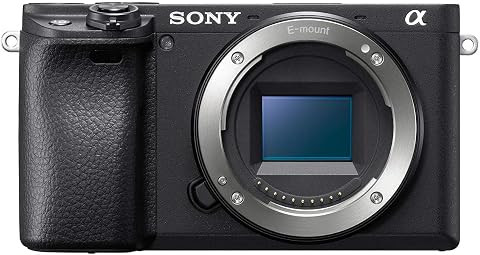
The Sony a6400 is a mirrorless interchangeable-lens camera featuring fast autofocus, real-time tracking, and a tiltable LCD screen ideal for vlogging and professional filming. It offers high-speed continuous shooting, 4K video recording, and a compact design suitable for photography and videography enthusiasts.
Pros:
- Fast autofocus with real-time tracking
- High-quality 4K video recording
- Tiltable LCD screen ideal for vlogging
- Compact and lightweight design
Cons:
- Battery life may be limited for extended shoots
- No in-body image stabilization
- Complex menu system for beginners
Best for: Travelers building a mirrorless kit around a camera body
Not ideal for: Anyone seeking a complete camera-and-lens kit in one item
Bottom line: Pair the listed camera body with a compatible lens and plan for the full kit’s travel footprint.
Camera Lens
A lens shapes what you can frame, so choose it around the subjects and viewpoints you expect on your trip. The listed option is the Canon RF 35mm F1.8 Macro STM Lens for EOS R Series. Its name identifies an RF lens for EOS R series cameras, so confirm that it fits the camera body you plan to carry. Mount compatibility comes first; a lens that does not fit your camera cannot serve your travel kit as intended.
One common mistake is choosing a lens by its name alone without considering the pictures you want or the space it occupies alongside the rest of your gear. Think about whether its 35mm focal length and macro designation suit your typical scenes, and check the packed dimensions and weight from the product details. Since the camera pick listed here is a Sony body, do not assume the Canon RF lens is compatible with it. Match lens to camera before purchasing, and decide whether this lens or another compatible option better fits your travel photography plans.
What to look for:
- Confirm the lens mount matches your camera body.
- Check whether the focal length suits your expected subjects.
- Review the product dimensions and weight for your packing plan.
- Consider whether the macro designation fits your intended use.
Canon RF 35mm F1.8 Macro STM Lens for EOS R Series

The Canon RF 35mm F1.8 Macro STM Lens is a compact, versatile lens designed for EOS R series mirrorless cameras. It features 0.5x magnification, a minimum focusing distance of 0.56 ft, optical image stabilization, and a control ring for easy adjustments.
Pros:
- Compact and lightweight design
- Excellent macro capabilities with 0.5x magnification
- Optical image stabilization for sharp images
Cons:
- Limited to RF mount cameras
- Focal length may be less versatile for some users
Best for: Travelers using a compatible EOS R series camera
Not ideal for: Anyone pairing it with a camera body it does not fit
Bottom line: Confirm the camera mount and intended use before adding this lens to your travel bag.
Tripod
A tripod can provide a steadier platform when your shot calls for one, and a travel-oriented model may suit photographers who move between locations. The listed pick is the Manfrotto Befree Live Travel Video Tripod with Fluid Head for DSLR and. The product name identifies it as a travel video tripod with a fluid head, but the ending is incomplete, so check the full listing for supported equipment and specifications. Read the complete product details before deciding whether it fits your camera and shooting style.
A frequent buying mistake is choosing a tripod without checking how it packs, what it supports, and whether its head suits the intended use. Look up the packed dimensions, weight, load guidance, and included mounting details in the manufacturer or retailer information. Confirm that your camera setup can attach securely, and consider whether carrying a tripod makes sense for your itinerary. Check fit and support requirements alongside portability; a travel label alone does not tell you how it will work with your particular gear or luggage.
What to look for:
- Review the complete listing and product specifications.
- Confirm the tripod supports your camera setup.
- Check packed dimensions and weight for your luggage.
- Verify the mounting details and head suit your intended shots.
Manfrotto Befree Live Travel Video Tripod with Fluid Head for DSLR and Mirrorles

The Manfrotto Befree Live is a portable travel tripod designed for video recording with DSLRs, mirrorless, and small camcorders. It features quick setup, adjustable legs, and a fluid head for smooth pan and tilt movements, supporting equipment up to 4 kg.
Pros:
- Lightweight and portable for travel
- Quick and easy to set up
- Smooth fluid head for professional video movements
- Adjustable legs for versatile shooting angles
Cons:
- Supports equipment only up to 4 kg
- May be pricier than basic tripods
- Requires some setup time for perfect balance
Best for: Travelers seeking a tripod with a fluid head
Not ideal for: Anyone who cannot confirm the incomplete listing details
Bottom line: Check the full specifications and camera fit before packing this travel video tripod.
Camera Backpack
How you carry your camera affects how easily you can bring it along and reach it during a day out. The listed pick is the PGYTECH 2-in-1 Roller Camera Backpack for Travel Photographers. Its name describes a roller and backpack format intended for travel photographers, giving you a carrying option to assess against your route and luggage. Choose for your travel routine: the best format depends on where and how you will move.
A common mistake is judging a camera bag by its format without checking whether the interior accommodates the actual kit. Compare the bag’s dimensions and compartment layout with your camera, lens, tripod, cards, batteries, and personal items. Check how the roller and backpack configurations are intended to work, and consider whether either is practical for the surfaces and transfers on your itinerary. Test the full packing plan using the product’s listed measurements, and leave room for the items you need to access quickly. A well-matched bag helps organize the kit around your day rather than forcing you to carry pieces separately.
What to look for:
- Compare internal dimensions with your camera and lens.
- Check how the roller and backpack configurations work.
- Confirm space for the accessories you plan to carry.
- Consider your route, transfers, and access needs.
PGYTECH 2-in-1 Roller Camera Backpack for Travel Photographers

This versatile camera backpack features dual modes: a spinner suitcase for smooth travel on flat surfaces and a backpack for outdoor use. It offers customizable storage with a DIY divider system, expandable compartments, and high-quality materials for durability and security.
Pros:
- Versatile dual-mode design for travel and outdoor use
- Customizable and expandable storage options
- High-quality, durable materials with water resistance
- Includes security features like a hidden AirTag pocket
Cons:
- Relatively heavy at 7.9 pounds
- May be bulky for some users
- Limited to 16-inch laptops
Best for: Travel photographers comparing roller and backpack carrying
Not ideal for: Anyone whose full kit exceeds the listed interior dimensions
Bottom line: Check the bag’s layout and measurements against your complete travel kit.
Memory Cards
Memory cards are easy to overlook while assembling a camera kit, yet your camera needs compatible storage for the images and video you plan to capture. No specific card is listed here, so use your camera’s documentation to identify supported card types and capacities. Start with camera compatibility, then choose cards that suit your expected shooting.
A common mistake is buying a card based only on capacity or assuming every card works in every camera. Confirm the supported format and any speed guidance in the camera documentation, especially if you expect to record video or capture many images in quick succession. Consider how many cards make sense for your trip and how you will keep them organized and protected. Check the camera manual for the details that matter to your specific body, and plan a simple storage routine before you travel.
What to look for:
- Confirm supported card types in the camera documentation.
- Choose capacity based on your expected photos and video.
- Check any camera guidance for card speed and recording needs.
- Plan how to organize and protect cards while traveling.
- Consider carrying a suitable spare card if your trip requires it.
Camera Battery
Battery planning helps you avoid having power needs dictate when you can use your camera. No specific battery is listed, so check the documentation for the camera you will carry and identify the compatible battery and charging method. Match batteries to the camera rather than relying on appearance or a generic listing.
A common buying mistake is assuming a spare battery is compatible or forgetting to account for how you will recharge during a trip. Confirm the battery model and charging requirements in the camera information, then estimate what you need based on your intended use and access to charging. Check whether your kit includes the charging equipment you expect to use. Plan power around your itinerary, and keep batteries and chargers organized so they are easy to find when needed.
What to look for:
- Confirm the compatible battery model in camera documentation.
- Check the camera’s charging method and required accessories.
- Estimate battery needs based on your planned camera use.
- Plan access to charging during the trip.
- Keep batteries and charging gear organized in your bag.
Build the kit in a practical order: first confirm the camera body and the lens mount, then identify compatible memory cards and batteries. Next, decide whether a tripod fits your planned photography, and choose a bag that accommodates the complete setup. Compatibility comes first; it makes the rest of your packing decisions easier.
You do not need to carry every kind of accessory on every trip. Start with the gear that supports the pictures you want to take, check the product details against your camera and itinerary, and adjust as you learn what you actually use. A thoughtful, well-matched kit is a strong companion for travel photography.