
To protect your skin in cold weather, choose gentle, oil-based cleansers that remove dirt without stripping moisture. Keep your skin hydrated with rich creams containing ceramides, hyaluronic acid, and occlusives like petrolatum. Cover up with scarves and gloves, and always wear broad-spectrum sunscreen outdoors. Avoid hot showers and harsh exfoliants to prevent dryness, and use targeted treatments for conditions like eczema or psoriasis. Want to discover more tips to keep your skin resilient? Keep exploring how winter skincare can work for you.
Key Takeaways
- Use oil-based, hydrating cleansers and gentle formulas to prevent dryness and maintain skin’s natural oils.
- Apply thick moisturizers with ceramides, hyaluronic acid, or petrolatum to lock in moisture and strengthen the skin barrier.
- Protect exposed skin with scarves, gloves, and broad-spectrum sunscreen to shield from cold winds, UV rays, and windburn.
- Incorporate hydrating serums and oils to boost moisture levels, and avoid hot showers that strip natural oils.
- Manage winter skin conditions with emollient creams, fragrance-free products, and targeted treatments for eczema or psoriasis.
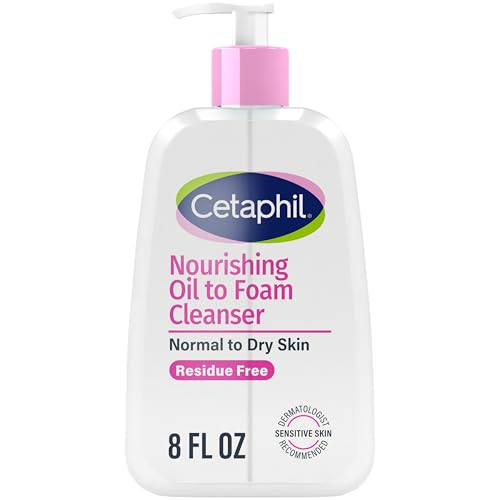
Cetaphil Nourishing Oil to Foam Facial Cleanser for Normal to Dry Skin, up to 24 Hour Hydration, 8 fl oz
OIL TO FOAM FACE CLEANSER FOR SENSITIVE SKIN: One 8 fl oz bottle of Cetaphil Nourishing Oil to…
As an affiliate, we earn on qualifying purchases.
As an affiliate, we earn on qualifying purchases.
Choosing the Right Cleansers for Cold Weather
During cold weather, selecting the right cleansers is essential to protect your skin’s moisture barrier. You should opt for oil-based cleansers that effectively remove sebum, waterproof makeup, and water-resistant sunscreens without stripping your skin’s natural oils. Gentle, fragrance-free, and alcohol-free cleansers are ideal, especially if your skin is sensitive or prone to eczema, as they prevent dryness and irritation. Creamier body cleansers are better than gels or foams because they help maintain hydration and support your skin’s barrier. Avoid harsh exfoliants that can cause irritation or dryness. Instead, choose formulas with hydrating ingredients like glycerin, ceramides, or petrolatum, which help lock in moisture and keep your skin soft, smooth, and protected during the chilly months.

CeraVe Moisturizing Cream, Body and Face Moisturizer for Dry Skin, Body Cream with Hyaluronic Acid and Ceramides, Daily Moisturizer, Oil-Free, Fragrance Free, Non-Comedogenic, 19 Ounce
[ HYALURONIC ACID MOISTURIZER ] With hyaluronic acid, ceramides and MVE technology for 24 hour hydration. Rich, velvety…
As an affiliate, we earn on qualifying purchases.
As an affiliate, we earn on qualifying purchases.
Hydration Strategies to Keep Skin Moist and Healthy

Maintaining proper hydration is key to keeping your skin healthy and comfortable in winter. To do this, choose thicker, occlusive moisturizers like creams and ointments that form a barrier and lock in moisture. Look for ingredients such as ceramides, hyaluronic acid, petrolatum, and shea butter, which support your skin’s barrier and retain hydration. Incorporate hydrating serums with hyaluronic acid and peptides into your morning and evening routines to boost moisture levels. Don’t forget to use eye creams with hyaluronic acid to protect delicate under-eye skin from dryness. Additionally, consider using a humidifier indoors to add moisture to the air, and avoid hot showers that can strip away natural oils. AI-driven skincare innovations are increasingly being utilized to personalize hydration and treatment plans, helping maintain a healthy, hydrated skin barrier during cold months.

Winter Hat Beanie Long Scarf Touchscreen Gloves Set, 3Pcs Soft Thick Fleece Lined Gloves Skull Cap Scarf Set for Women Men, Black
❄【Top-quality Fabric】- The women winter hat, long scarf and gloves set are made from 100% high-quality alpaca fiber…
As an affiliate, we earn on qualifying purchases.
As an affiliate, we earn on qualifying purchases.
Protecting Your Skin From Harsh Winter Elements

Harsh winter elements like cold winds, low temperatures, and dry air can considerably damage your skin if you don’t take proper precautions. To protect yourself, wear clothing that shields your skin, like scarves and gloves, especially in windy conditions. Cover exposed areas to prevent chapping and windburn. Apply a rich, occlusive moisturizer before heading outdoors to create a barrier against the elements. Use broad-spectrum sunscreen daily, as UV rays penetrate clouds and reflect off snow, causing damage. Maintain indoor humidity with a humidifier to prevent drying out your skin. Limit long, hot showers that strip natural oils and weaken your skin barrier. Consider switching to skincare products formulated for cold climates, which support moisture retention and reinforce your skin’s defenses against harsh winter conditions. Utilizing moisturizers and barrier creams can further help lock in hydration and shield your skin from environmental stressors.

Eucerin Daily Hydration Broad Spectrum SPF 30 Sunscreen Body Cream for Dry Skin, Fragrance Free Sunscreen Moisturizer, 8 Oz Tube
2-in-1 Formula: This Eucerin body cream is a 2-in-1 formula that moisturizes dry skin while helping protect from…
As an affiliate, we earn on qualifying purchases.
As an affiliate, we earn on qualifying purchases.
Managing Common Winter Skin Conditions

Winter’s cold, dry air can trigger or worsen common skin conditions like eczema and psoriasis, making them more uncomfortable and difficult to manage. To keep symptoms in check, focus on gentle, moisturizing products that restore your skin barrier. Regularly apply barrier-repair creams with ingredients like ceramides and filaggrin-supporting compounds. Use fragrance-free, hypoallergenic skincare to avoid irritation. Incorporating essential oils for skin such as lavender or cedarwood into your routine may provide additional soothing benefits. Here’s a quick guide:
| Condition | Management Tips |
|---|---|
| Eczema | Use emollient-rich creams, avoid harsh soaps |
| Psoriasis | Moisturize frequently, target flare-ups early |
| Dry, Flaky | Opt for thick occlusive ointments, hydrate |
Consistently addressing these conditions helps reduce discomfort and supports healthier winter skin.
Strengthening Your Skin Barrier During Winter

Cold weather can weaken your skin’s natural barrier, making it more vulnerable to dryness, irritation, and environmental damage. To strengthen it, focus on restoring essential lipids like ceramides and fatty acids, which repair and protect your skin. Use barrier-repair creams containing these ingredients daily, especially after cleansing. Avoid harsh cleansers with sulfates or alcohol that strip away moisture and damage the barrier. Incorporate oils and emollients like petrolatum or shea butter to seal in hydration and create a protective layer. Regularly apply hydrating serums with hyaluronic acid and peptides to boost moisture levels. Minimize hot showers and harsh exfoliation, both of which weaken your skin. Instead, opt for gentle, nourishing products designed for winter conditions to maintain a resilient, healthy skin barrier. Additionally, choosing products with HEPA filtration can help reduce airborne irritants that may exacerbate skin sensitivity indoors.
Frequently Asked Questions
Can I Use the Same Skincare Routine Year-Round in Winter?
You shouldn’t use the same skincare routine year-round, especially in winter. Cold, dry air demands richer, more hydrating products like occlusive creams and barrier-repair formulas. Switch to gentle, moisturizing cleansers and incorporate thicker moisturizers with ceramides and hyaluronic acid. Avoid harsh exfoliation and hot showers. Adjust your routine to focus on hydration and barrier protection, ensuring your skin stays healthy and comfortable throughout the colder months.
Are Natural Oils Effective for Winter Skin Protection?
Did you know that 80% of your skin’s barrier function depends on natural oils? Natural oils can be quite effective for winter skin protection because they help lock in moisture and reinforce your skin’s barrier. You should apply oils like argan or jojoba after moisturizing to create an occlusive layer. Just make sure to choose oils suited for your skin type and avoid clogging pores, especially in colder months.
How Often Should I Exfoliate During Winter?
You should exfoliate once a week or less during winter. Over-exfoliating can damage your skin’s moisture barrier, making dryness and irritation worse. Use gentle, fragrance-free exfoliants and avoid harsh scrubs. Focus on maintaining hydration and barrier repair with nourishing products. If your skin feels sensitive or irritated, cut back on exfoliation even more. Prioritizing gentle care helps keep your skin smooth, healthy, and well-protected in cold weather.
What Ingredients Should I Avoid in Winter Skincare?
Like walking on thin ice, you should avoid ingredients that weaken your skin’s barrier. Steer clear of sulfates, alcohol-based cleansers, and harsh fragrances, as they strip oils and cause dryness. Also, skip strong exfoliants and synthetic fragrances which can irritate sensitive winter skin. Instead, choose gentle, hydrating ingredients like ceramides, glycerin, and petrolatum to keep your skin barrier strong and moisturized throughout the cold months.
When Is the Best Time to Apply Moisturizer for Maximum Effect?
You should apply moisturizer immediately after cleansing and again when your skin feels dry. Doing so locks in hydration before your skin loses moisture. For maximum effect, apply thicker creams or occlusive products during the day and at night, especially after showering or washing your face. Consistent application helps strengthen your skin barrier, retain moisture, and protect against cold, dry air. Don’t forget to seal in hydration with occlusives like petrolatum for extra protection.
Conclusion
If you follow these winter skincare tips, you’ll turn your skin into an impenetrable fortress against the harshest cold. Say goodbye to cracked, flaky skin and hello to a radiant, unstoppable glow that could brighten even the gloomiest winter days. With the right choices, your skin won’t just survive the cold—it’ll conquer it. Get ready to become the winter skincare hero everyone admires, armed with skin so resilient, it’s practically invincible!