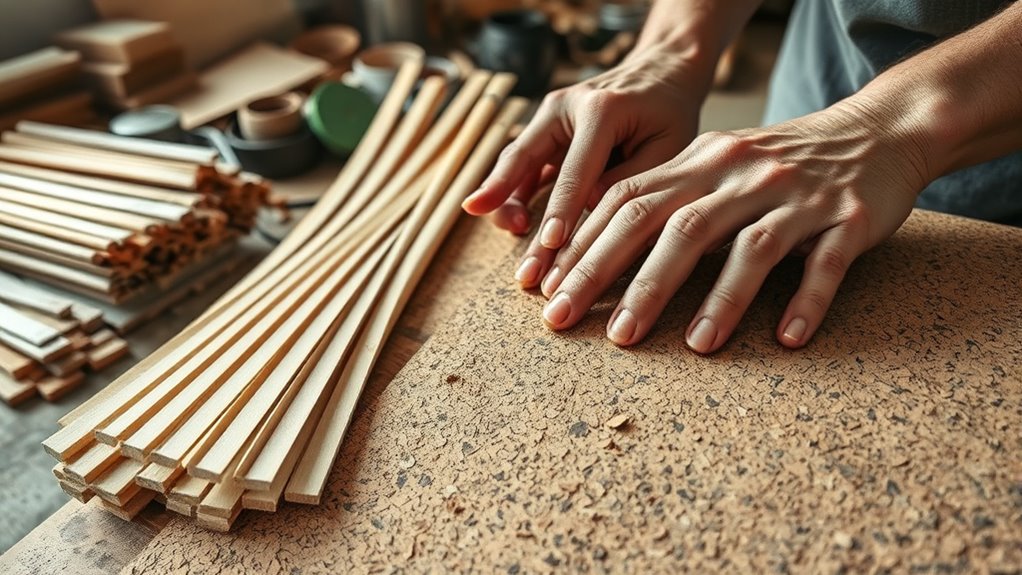

When you choose sustainable materials like bamboo and cork, you’re making a positive impact on the environment. Bamboo grows quickly and is highly renewable, while cork is harvested responsibly without harming trees. Both materials reduce waste and lower your carbon footprint compared to synthetic options. Supporting these eco-friendly choices encourages responsible harvesting and industry innovation. To discover more about how other sustainable options can further benefit you and the planet, keep exploring your options.
Key Takeaways
- Sustainable materials like bamboo and cork support eco-friendly manufacturing and reduce reliance on resource-intensive options.
- Bamboo’s rapid growth (3-5 years) makes it a highly renewable resource for flooring, furniture, and textiles.
- Cork is harvested sustainably without harming trees, promoting forest health and biodiversity.
- Other eco-friendly options include recycled metals, organic textiles, and bioplastics, reducing resource depletion.
- Consumer choices influence industry shifts toward greener practices and responsible resource management.

Have you ever wondered how your material choices can impact the environment? When you opt for sustainable materials like bamboo and cork, you’re actively participating in eco friendly manufacturing practices that prioritize reducing waste and lowering carbon footprints. These materials are renewable resources, meaning they can be replenished quickly if managed properly, making them ideal for eco-conscious consumers. Choosing such options encourages better renewable resource management by supporting industries that harvest responsibly, ensuring that natural ecosystems aren’t depleted faster than they can regenerate. This shift helps diminish reliance on traditional, resource-intensive materials like plastics or exotic hardwoods, which often involve damaging extraction processes.
Bamboo, for example, grows rapidly—some species can reach maturity in just three to five years—so it’s a highly renewable resource. Its quick growth cycle means it can be harvested sustainably without causing long-term harm to the environment. When you decide to incorporate bamboo into your lifestyle, whether through flooring, furniture, or textiles, you’re promoting eco friendly manufacturing that aligns with ecological balance. Proper management guarantees that bamboo plantations are maintained responsibly, preventing overharvesting and supporting local ecosystems. This sustainable approach not only conserves natural resources but also promotes local economies and reduces the need for imported, non-renewable materials.
Cork is another excellent example of a sustainable material that benefits from responsible harvesting techniques. Cork oak trees are not cut down to harvest the cork; instead, the bark is carefully stripped without harming the tree, which can produce new layers every nine years. This process exemplifies eco friendly manufacturing because it allows the cork industry to thrive while maintaining the health of cork forests. When you choose cork products, you’re supporting a renewable resource that’s harvested in a way that encourages long-term forest health and biodiversity. Its natural properties also make cork an excellent insulator and a durable, eco-friendly alternative to synthetic materials.
Beyond bamboo and cork, many other sustainable options exist, such as recycled metals, organic textiles, and bioplastics, each contributing to a more sustainable future. Your role as a consumer is vital; by selecting these greener alternatives, you help drive industries toward better renewable resource management and reduce environmental harm. Making conscious material choices promotes innovation and encourages manufacturers to adopt eco friendly manufacturing practices. Using sustainable harvesting methods ensures that resource extraction does not compromise ecosystem integrity. In the end, your decisions can have a ripple effect, inspiring a shift toward more responsible and sustainable production methods that protect our planet’s resources for generations to come.

BAGAIL 8 Set Packing Cubes Luggage Packing Organizers for Travel Accessories-Cream
- Premium Durable Fabric: Resists wrinkles, stains, and wear
- Water-Repellent Material: Protects clothes from spills and leaks
- Lightweight Design: Easy to pack without adding weight
As an affiliate, we earn on qualifying purchases.
Frequently Asked Questions
How Do Bamboo and Cork Compare in Terms of Durability?
When comparing bamboo and cork regarding durability, you’ll find that bamboo generally has a longer material lifespan due to its hardness and strength. It withstands daily wear better but may require more maintenance to prevent scratches. Cork, on the other hand, is softer and more prone to denting, so its lifespan is shorter without proper care. Both materials are sustainable, but your choice depends on your durability needs and maintenance preferences.
Are There Any Environmental Concerns With Harvesting Bamboo?
Imagine a community relying on bamboo for building materials. Concerns about bamboo harvesting practices include overharvesting and habitat disruption. Environmental impact assessments help identify sustainable methods, ensuring bamboo is harvested responsibly. While bamboo regrows quickly, improper harvesting can harm ecosystems. You should consider these factors to minimize environmental concerns, making sure your bamboo use supports sustainable practices and preserves biodiversity.
What Are the Cost Differences Between Sustainable and Conventional Materials?
When comparing costs, sustainable materials like bamboo and cork often have higher upfront prices but can save you money over time due to their longer material lifespan and durability. Market availability influences prices too; sustainable options may be pricier initially because they’re less common or require specialized processing. However, as demand grows, prices tend to decrease. Ultimately, investing in sustainable materials can be cost-effective and environmentally beneficial in the long run.
Can These Materials Be Recycled or Reused at the End of Their Lifespan?
You wonder if these materials can be recycled or reused after use. Bamboo and cork often have good reuse potential because they’re natural and biodegradable, making recycling processes simpler. With proper disposal, you can repurpose bamboo for furniture or craft projects, while cork can be ground down for new applications. Overall, these sustainable materials support eco-friendly practices through effective recycling processes and their ability to be reused at the end of their lifespan.
How Do Transportation Impacts Affect the Sustainability of These Materials?
Imagine a bamboo shoot hitching a ride across continents, just to become furniture. Transportation impacts, like emissions from supply chain logistics, can turn eco-friendly choices into carbon culprits. Every truck, ship, or plane adds a layer to your product’s footprint. So, while these materials might be sustainable locally, their global journey can negate that green glow, making you wonder if saving trees is just a scenic route to pollution.
Conclusion
So, next time you’re deciding on materials, imagine yourself as a superhero saving the planet—bamboo and cork in hand, battling pollution and deforestation. Forget the villainous plastics and toxic metals; they’re the real villains in your eco-story. By choosing sustainable options, you’re not just making a smart decision—you’re starring in your own eco-adventure, saving the Earth one conscious choice at a time. Who knew saving the planet could be so stylish and simple?