
Choosing between open-source and proprietary AI models depends on your priorities. Open-source options offer transparency, customization, and cost savings, but may require extra effort for maintenance and legal carefulness. Proprietary models provide ready-to-use solutions with support, often at a higher licensing cost. Understanding these trade-offs helps you align your project with your budget, flexibility needs, and compliance goals. Keep exploring to uncover how these differences can shape your AI strategy effectively.
Key Takeaways
- Open-source models offer cost savings through free licensing but may incur additional expenses for customization and maintenance.
- Proprietary models typically involve licensing fees but provide ready-to-use solutions with less initial development effort.
- Open-source transparency enhances customization and innovation, while proprietary models limit flexibility and modifications.
- Licensing terms for open-source models can require sharing derivatives, impacting intellectual property strategies.
- Decision depends on balancing transparency, flexibility, support needs, and total cost over the project lifecycle.

When choosing between open-source and proprietary AI models, understanding their fundamental differences can substantially impact your project’s success. One of the key aspects to consider is model transparency. Open-source models typically offer greater transparency, allowing you to see the underlying code, algorithms, and data processing methods. This openness lets you understand exactly how the model arrives at its decisions, which can be crucial for debugging, compliance, and trust. In contrast, proprietary models often operate as black boxes, with limited insight into their inner workings. While they might deliver strong performance, their opaque nature can pose challenges if you need to verify processes or ensure fairness.
Licensing challenges are another vital factor. Open-source models usually come with licenses that permit free use, modification, and redistribution, but it’s important to carefully review the specific terms. Some licenses may require you to share derivative works or give credit, which could impact your intellectual property strategy. Proprietary models, on the other hand, are typically licensed under commercial agreements, often involving costs and restrictions on usage. These licensing challenges can influence your budget, deployment flexibility, and long-term scalability. If you’re working on a project with tight budget constraints or specific legal requirements, these licensing nuances can considerably sway your decision.
Cost considerations are closely tied to these factors. Open-source models eliminate licensing fees, making them attractive for startups, research, or projects with limited budgets. However, they might require additional investment in infrastructure, customization, and ongoing maintenance to ensure they work effectively for your needs. Proprietary models often come with licensing costs but may offer out-of-the-box solutions optimized for specific tasks, reducing initial setup time and resource expenditure. You need to weigh the upfront costs against the potential long-term savings in development time and support.
Moreover, model transparency and licensing issues influence your ability to adapt and innovate. Open-source models give you the flexibility to customize and improve the code, encouraging innovation and rapid iteration. Proprietary solutions may restrict modifications, limiting how much you can tailor the model to your unique requirements. This can be a critical consideration if your project demands highly specialized features or domain-specific adjustments. Additionally, understanding the subtopic of model performance in various contexts can help you select the most suitable option for your needs.
Ultimately, your choice hinges on your priorities—whether you value transparency and flexibility or prefer streamlined, supported solutions. Understanding these core differences in model transparency and licensing challenges helps you make informed decisions, aligning your AI deployment with your technical needs, legal constraints, and budget. This clarity guarantees you select the model type that best supports your project’s success and future growth.

Building Generative AI Applications with Open-source Libraries: Practical guide to implementing large language models (English Edition)
As an affiliate, we earn on qualifying purchases.
As an affiliate, we earn on qualifying purchases.
Frequently Asked Questions
How Do Licensing Fees Differ Between Open-Source and Proprietary AI Models?
Licensing costs for AI models vary greatly; open-source models typically have no licensing fees, allowing you to access and modify the code freely. In contrast, proprietary AI models often require you to pay licensing fees, which can be substantial, and come with legal restrictions on usage and distribution. This difference affects your budget and flexibility, so consider your project’s needs carefully when choosing between open-source and proprietary options.
What Security Risks Are Associated With Open-Source AI Models?
You should be aware that open-source AI models can pose security risks like data privacy breaches if sensitive data isn’t properly protected. Additionally, malicious code might be embedded in open-source projects, which could compromise your system’s security. Since open-source models are publicly accessible, attackers can scrutinize the code for vulnerabilities, making it vital to review and secure the models thoroughly before deployment.
How Does Community Support Impact Open-Source AI Model Development?
Community support boosts open-source AI models by fostering collaboration and knowledge sharing, unlike isolated development. You benefit from diverse expertise, rapid problem-solving, and continuous innovation. While proprietary models rely on internal teams, open-source thrives on collective effort, making improvements faster and more transparent. This vibrant community creates a dynamic ecosystem where contributions build stronger, more adaptable models, ultimately accelerating AI progress and making tools accessible to everyone.
What Are the Long-Term Sustainability Considerations for Proprietary AI Models?
When considering the long-term sustainability of proprietary AI models, you face scalability challenges as demand grows and resources must expand. Protecting your intellectual property is essential, but it can limit collaboration and innovation. You need to balance investment in infrastructure with ongoing R&D, ensuring your models remain competitive. Focusing on robust support and continuous updates helps maintain value, but you must also adapt to evolving technology landscapes to stay sustainable.
Can Open-Source AI Models Be Easily Customized for Niche Applications?
Imagine open-source AI models as a versatile toolbox; with some effort, you can customize them for niche applications. You’ll find model flexibility is high, allowing you to tailor solutions to specific needs. However, customization challenges may arise, requiring technical skill and time. Overall, you can adapt these models effectively, but expect a learning curve and some hurdles along the way.
proprietary AI model licensing software
As an affiliate, we earn on qualifying purchases.
As an affiliate, we earn on qualifying purchases.
Conclusion
Ultimately, choosing between open-source and proprietary AI models depends on your needs and resources. Open-source offers flexibility and community support, often at lower costs, while proprietary models provide tailored solutions and dedicated support. Remember, “The best time to plant a tree was 20 years ago; the second best time is now.” So, weigh your options carefully, and make an informed decision that aligns with your goals and budget.
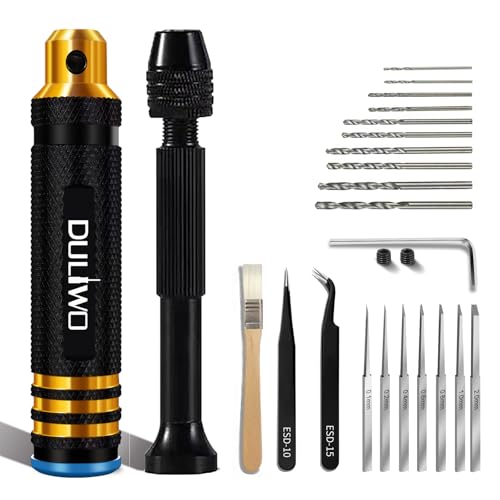
DULIWO Model Kit with Scribing Tools, Pin Vise Hand Drill Set, Tweezers, Brushes for Modelling Gundam Models, Metal Kits, Car and Aircraft Kits for Sscribing, Engraving, Panel lines, Resin,Detailing
Model Kit Tools: Includes metal scribe tool (1 handle + 7 blades), small hand drill set (10 bits…
As an affiliate, we earn on qualifying purchases.
As an affiliate, we earn on qualifying purchases.

Large Language Models (LLMs) for Healthcare
As an affiliate, we earn on qualifying purchases.
As an affiliate, we earn on qualifying purchases.